


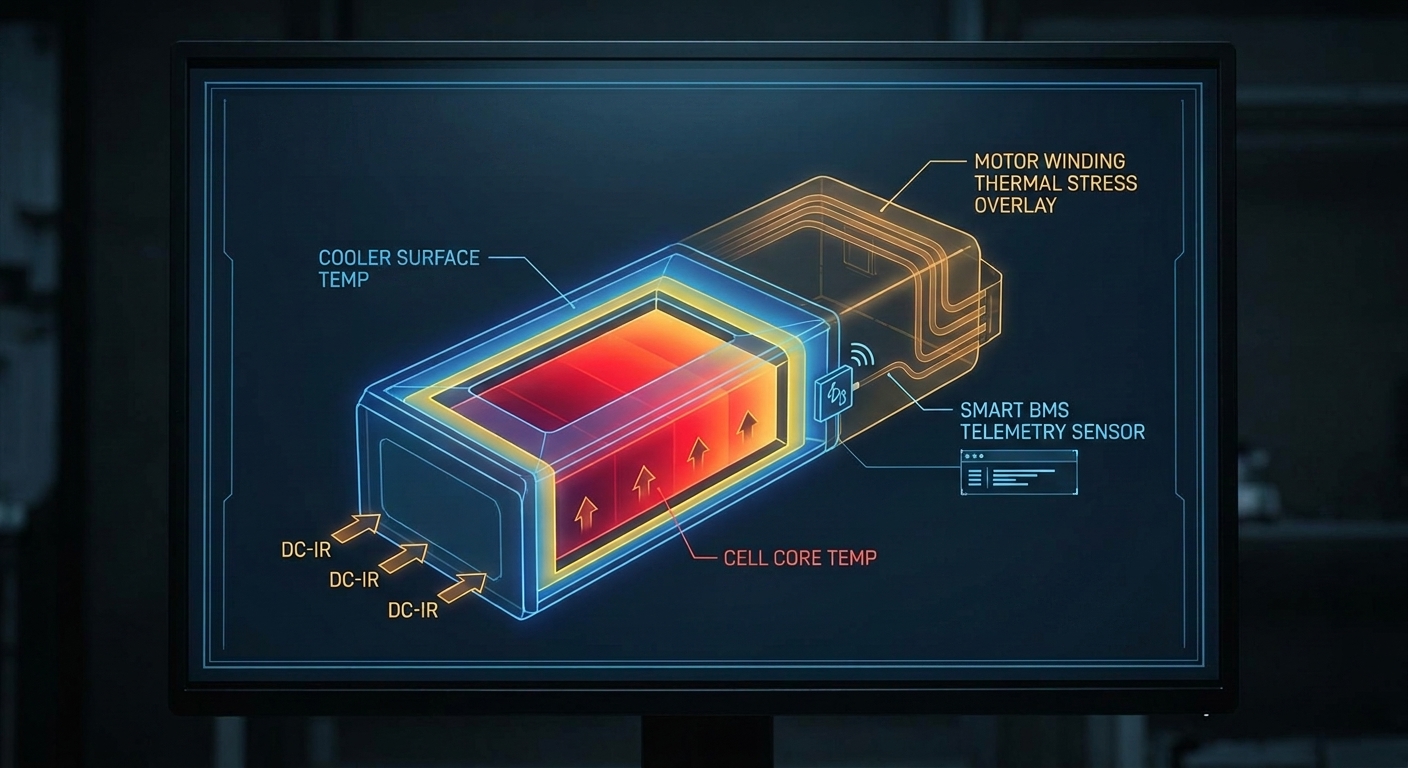
Why UAVs Lose Power Margin on the Second Sortie in Hot Weather
Discover why commercial UAVs experience voltage sag and power margin collapse on Flight 2 in hot weather. Learn how thermal soak affects drone reliability.

Discover why commercial UAVs experience voltage sag and power margin collapse on Flight 2 in hot weather. Learn how thermal soak affects drone reliability.
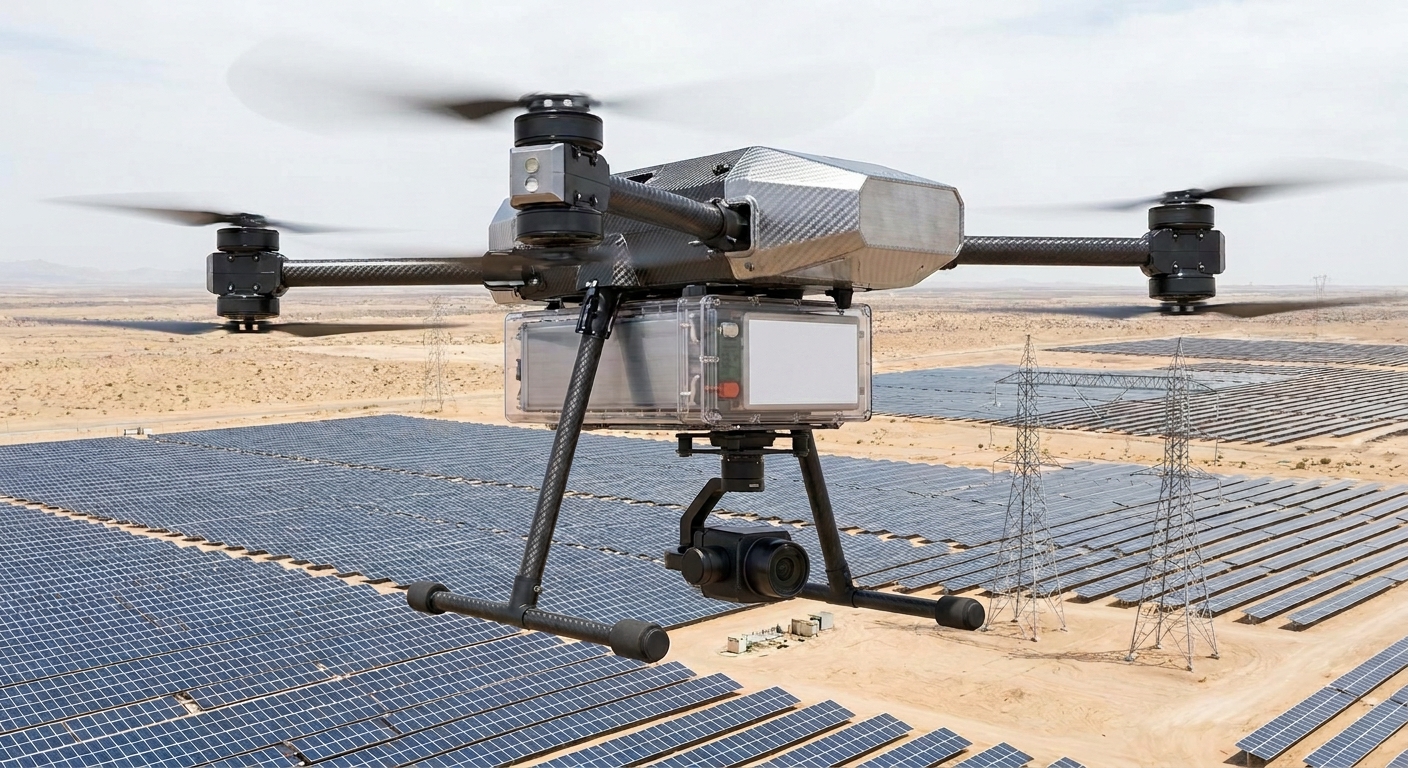
A commercial buyer’s guide for UAV OEMs evaluating 280–350Wh/kg semi-solid drone batteries, focusing on mission efficiency, pack-level Wh/kg, and TCO.
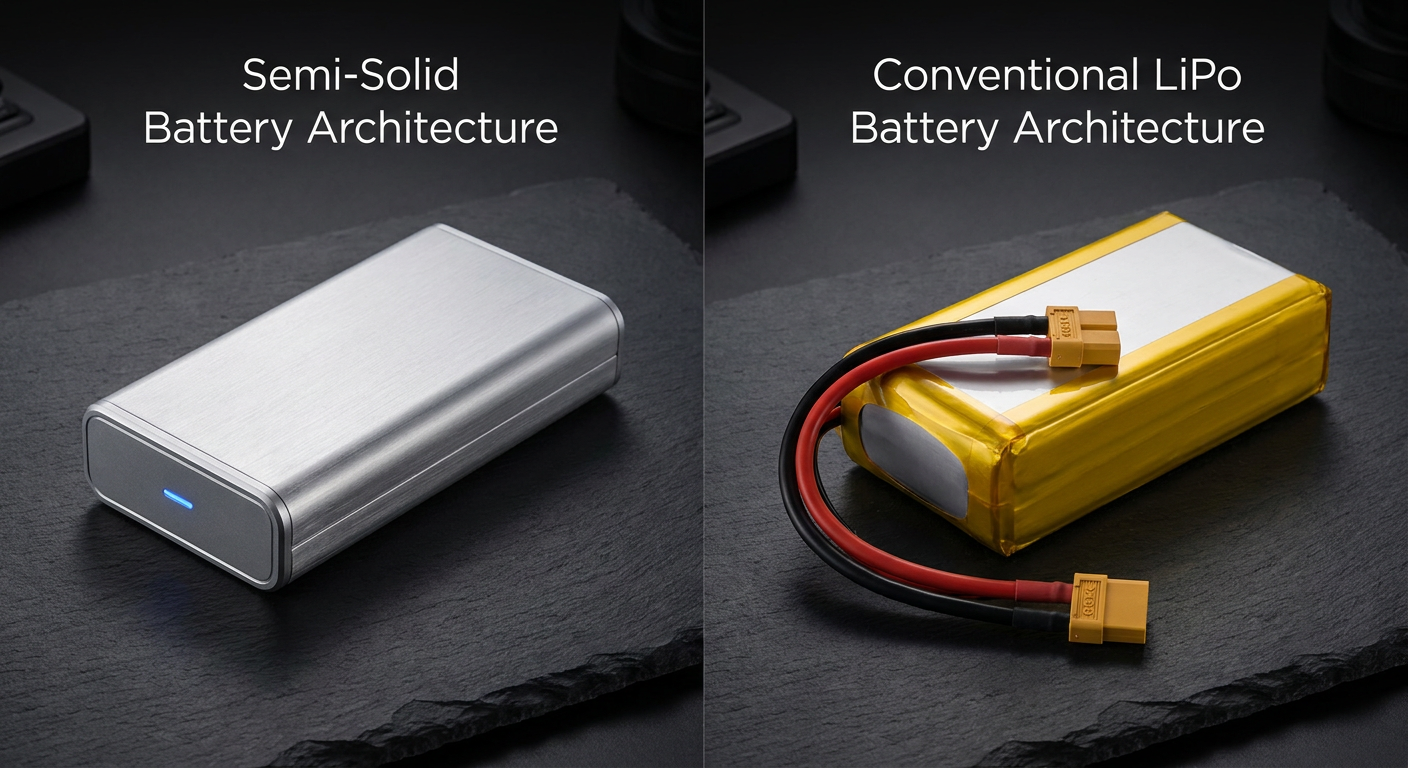
A technical decision guide for UAV integrators evaluating semi-solid vs LiPo batteries based on energy density, C-rate, thermal stability, and TCO.

Buyer guide for UAV academies selecting compliant training drones, high-cycle battery packs, and smart BMS ecosystems to optimize flight uptime & TCO.
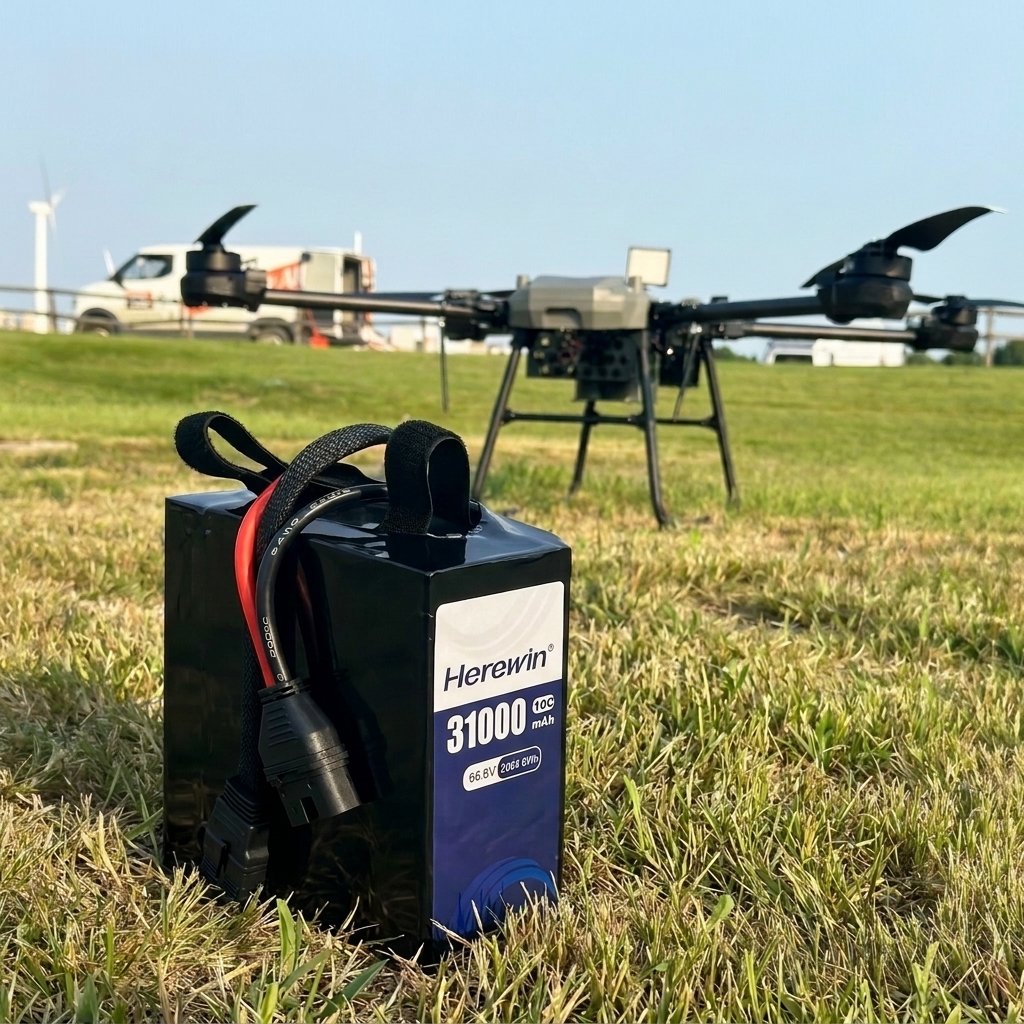
Discover why commercial drone buyers and OEMs are evaluating semi-solid UAV batteries in 2026 for higher energy density, endurance, and safety.
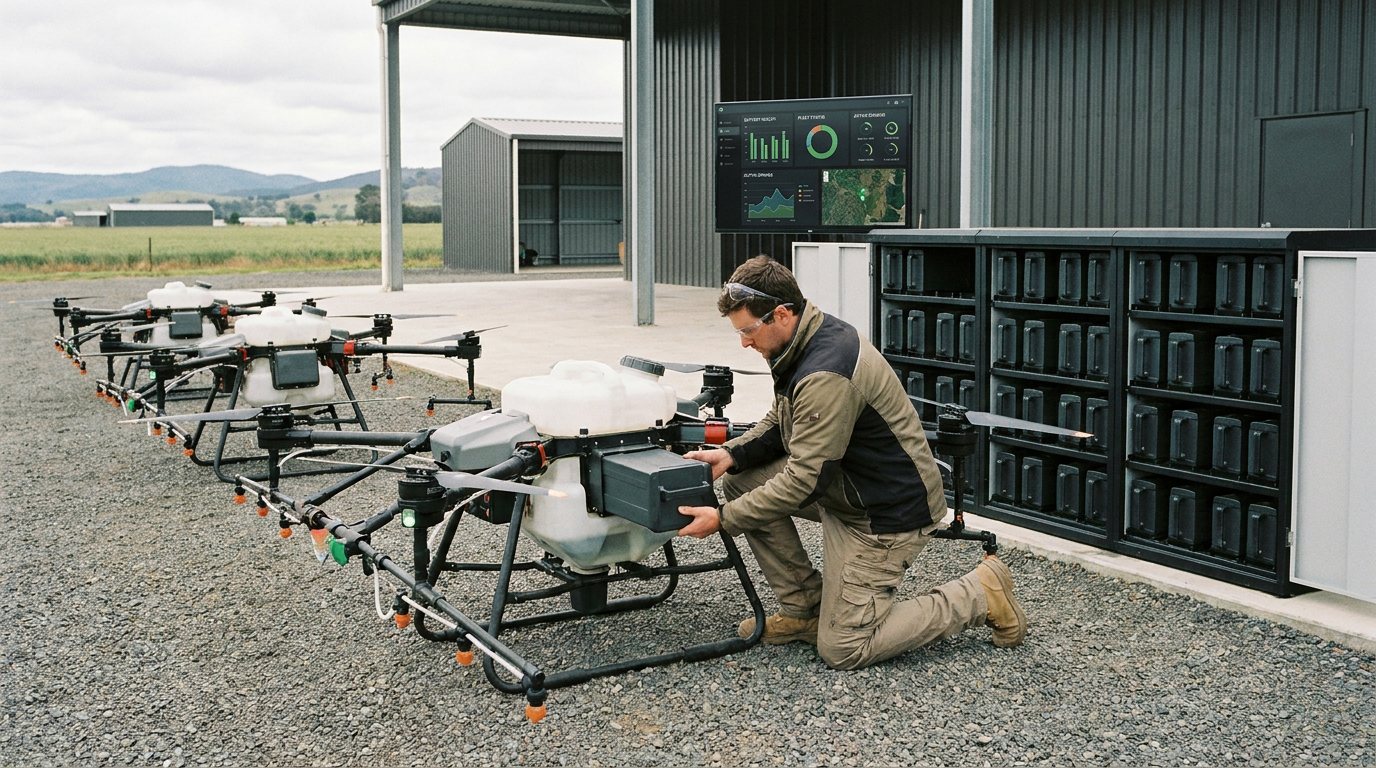
Discover why smart BMS telemetry, SOC/SOH prediction, and thermal logging are transforming commercial batteries from dumb storage into scalable operational assets.
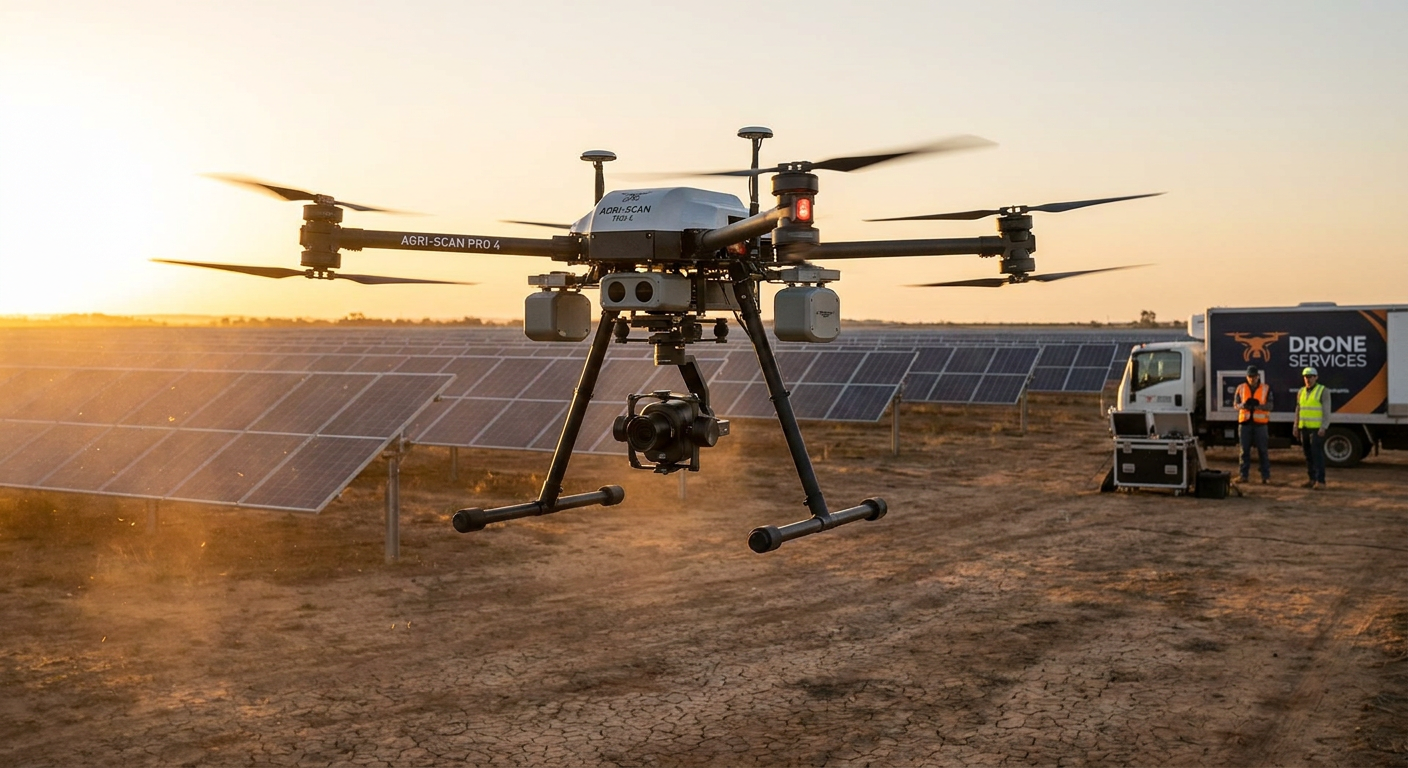
Discover why commercial drone fleets are moving to semi-solid smart batteries with intelligent BMS telemetry and custom pack engineering.
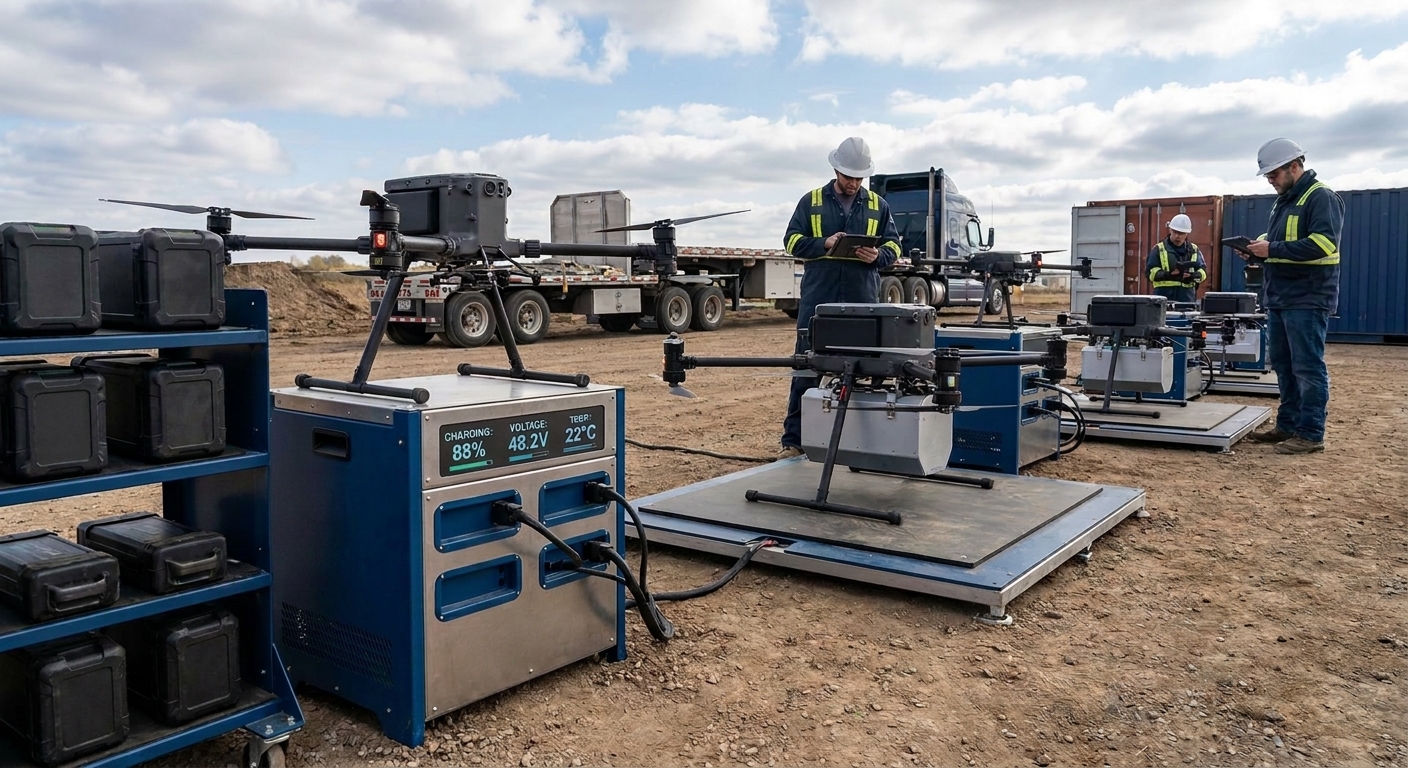
Scaling commercial drone fleets requires moving beyond simple chargers to an integrated energy management architecture. Learn how to solve UAV charging bottlenecks.
 Nederlands
  English
  Español
  한국어
한국어  Deutsch
  Français
  日本語
日本語  Русский
  Bahasa Indonesia
  ไทย
ไทย  العربية
  Português do Brasil
  Italiano