




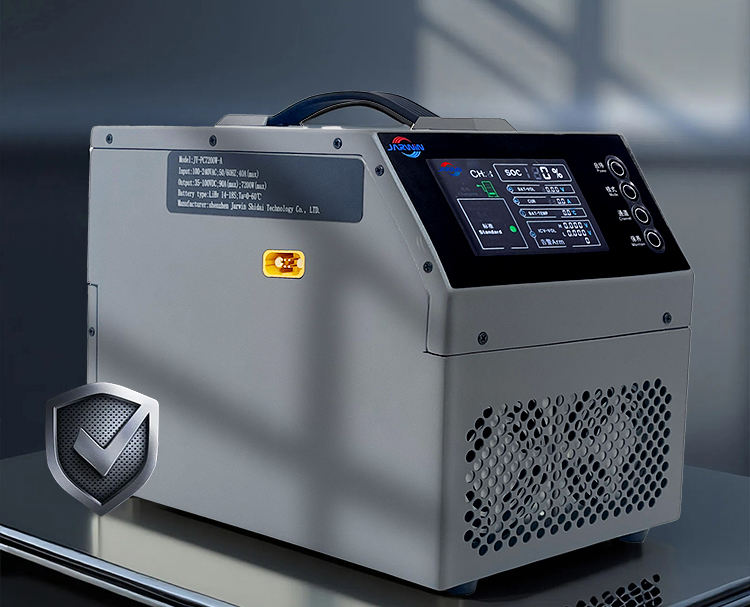
Why Smart High-Power Charging for Heavy-Lift UAV Fleets is the Critical ROI Hedge for 2026
Reduce 32S charging risk and unlock utilization with a clear AOR model, wide-voltage CAPEX hedge, and mobile hub deployment logic.


Reduce 32S charging risk and unlock utilization with a clear AOR model, wide-voltage CAPEX hedge, and mobile hub deployment logic.

A COO-ready framework to reduce variance, expose iceberg TCO, and build deterministic, interoperable energy backbones for drone logistics.
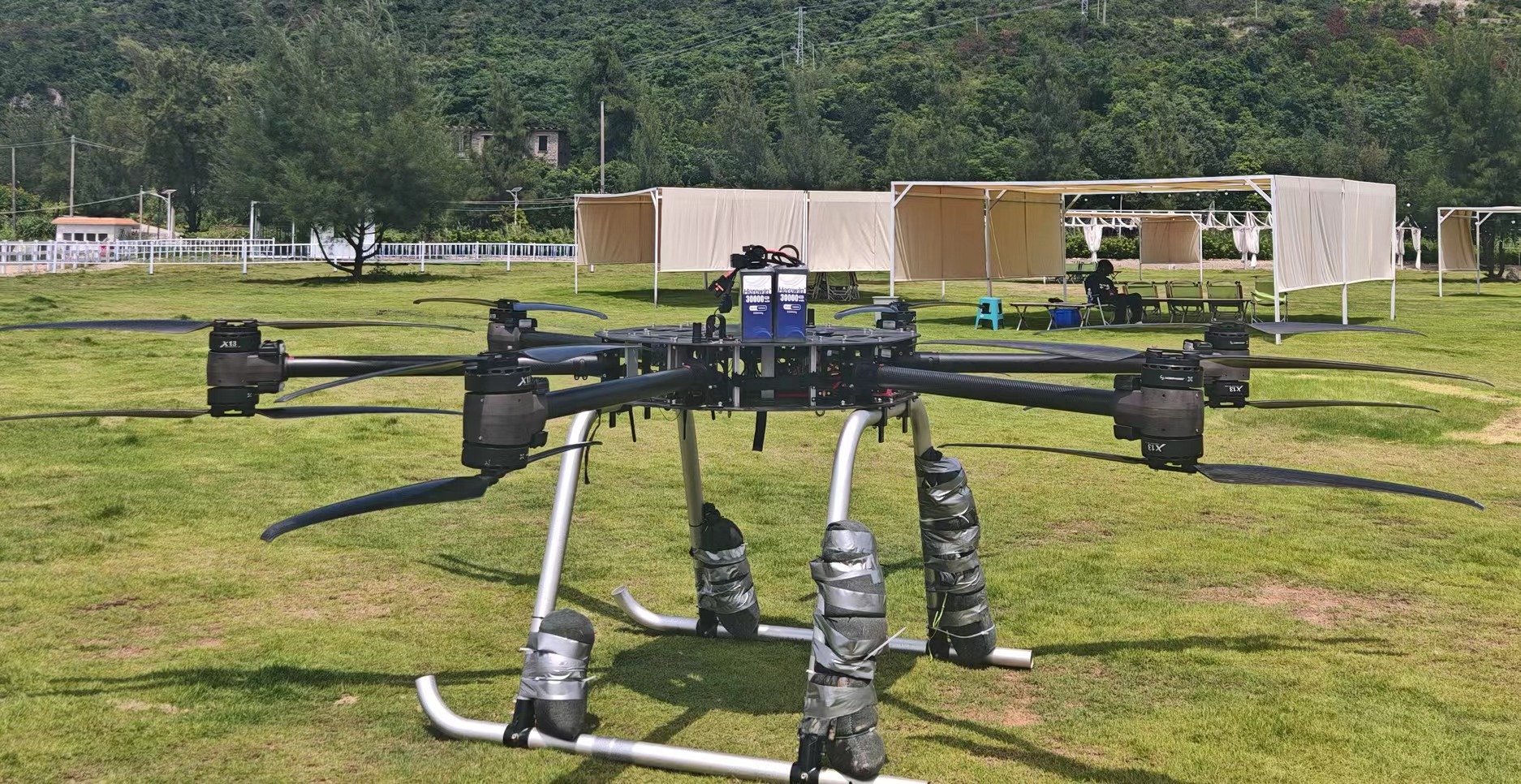
Compare caminhos técnicos para operar drones agrícolas em altitude: margem de sustentação, risco térmico e TCO com premissas claras.
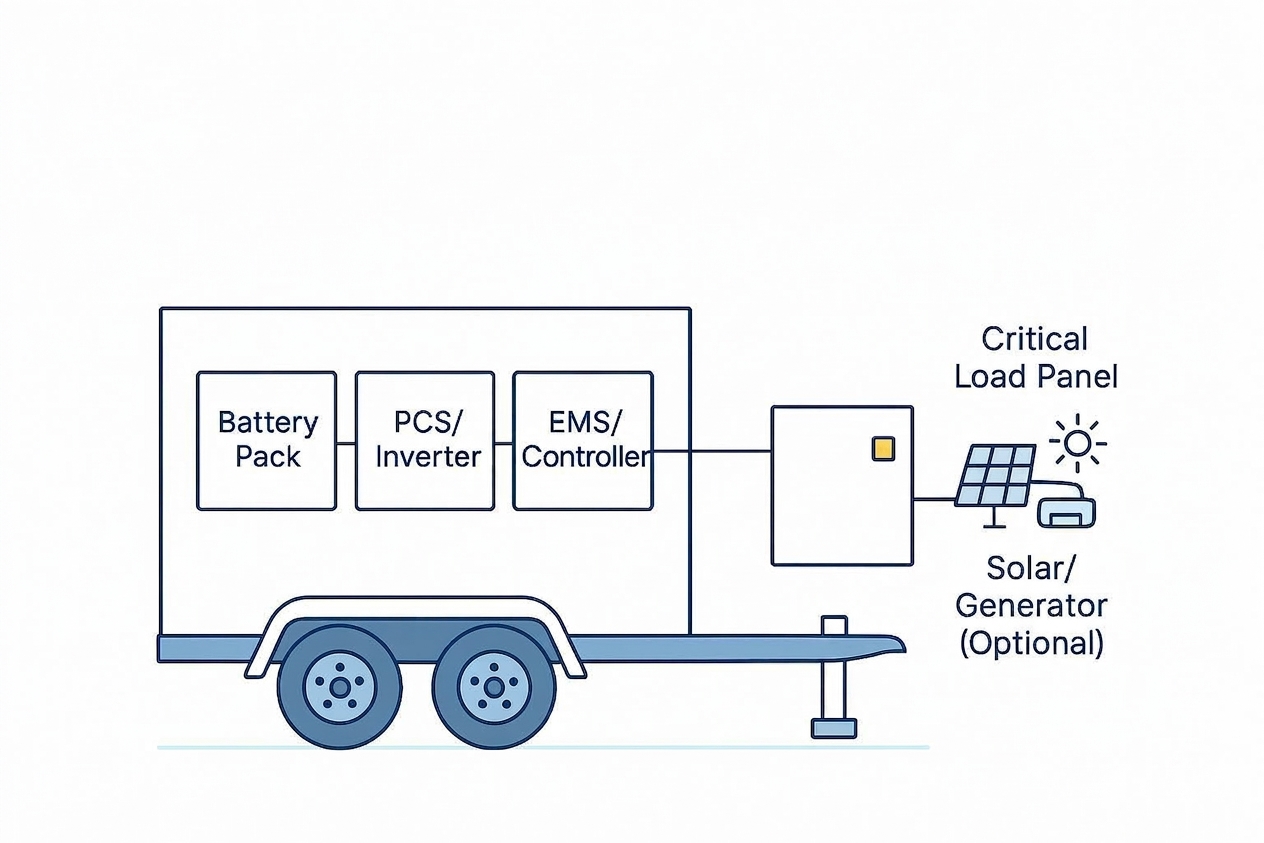
Learn what a mobile BESS is, how it works, key components, and sizing logic—written for microgrid EPC engineers focused on integration.
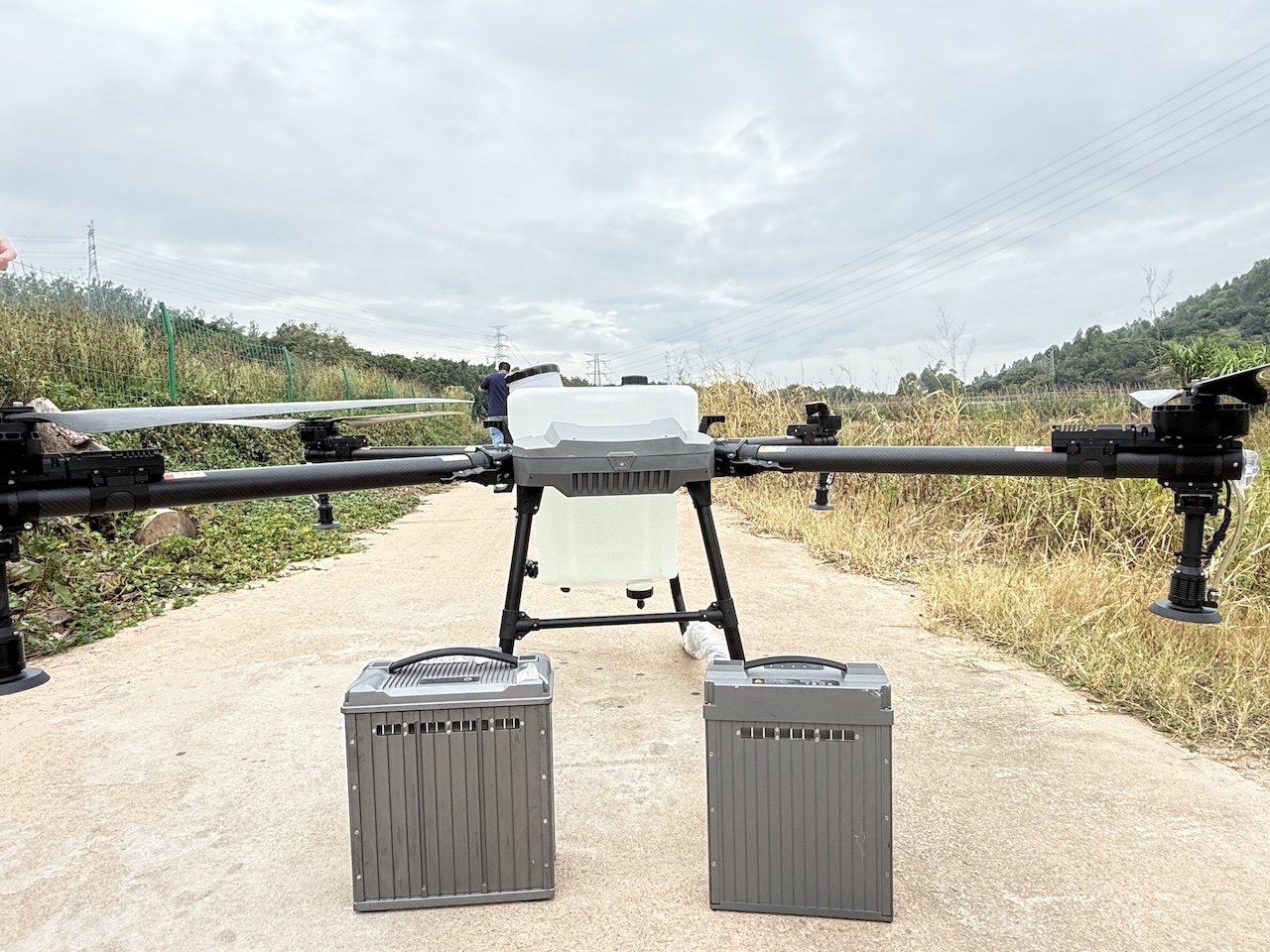
Compare 4S, 6S, 12S, and 14S batteries by power, heat, and efficiency. Learn how voltage affects performance in drones, RC models, and industrial systems.
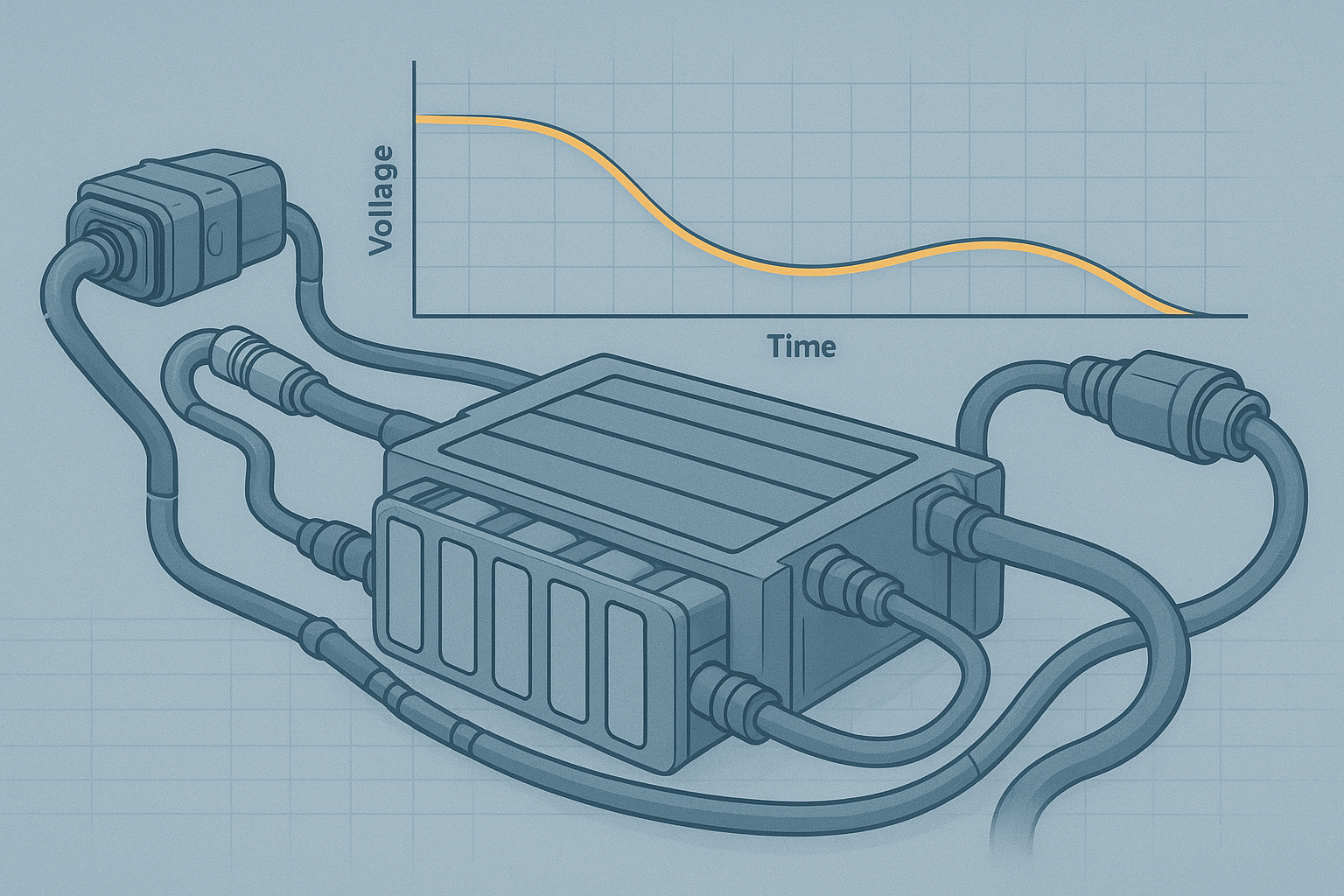
Detect voltage sag early, understand IR and temperature effects, and evaluate batteries/BMS for predictable heavy-lift UAV missions.
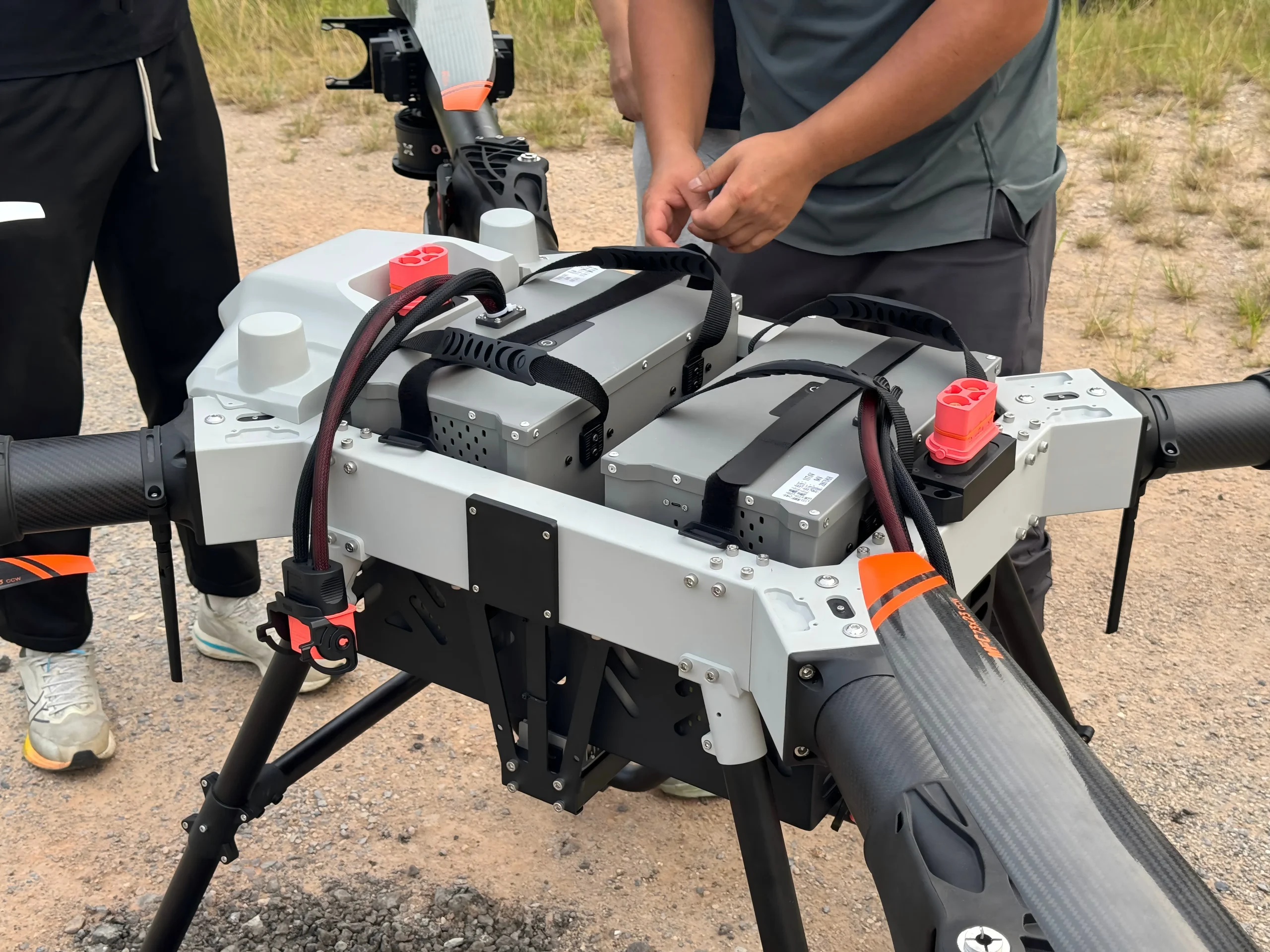
Explore battery redundancy for 100–200kg heavy-lift UAVs, including power architectures, BMS control, fault isolation, thermal stress, and reliability.

Critérios de SOC, temperatura, umidade e DCIR para preservar baterias na entressafra e reduzir TCO.
 Nederlands
  English
  Español
  한국어
한국어  Deutsch
  Français
  日本語
日本語  Русский
  Bahasa Indonesia
  ไทย
ไทย  العربية
  Português do Brasil
  Italiano