
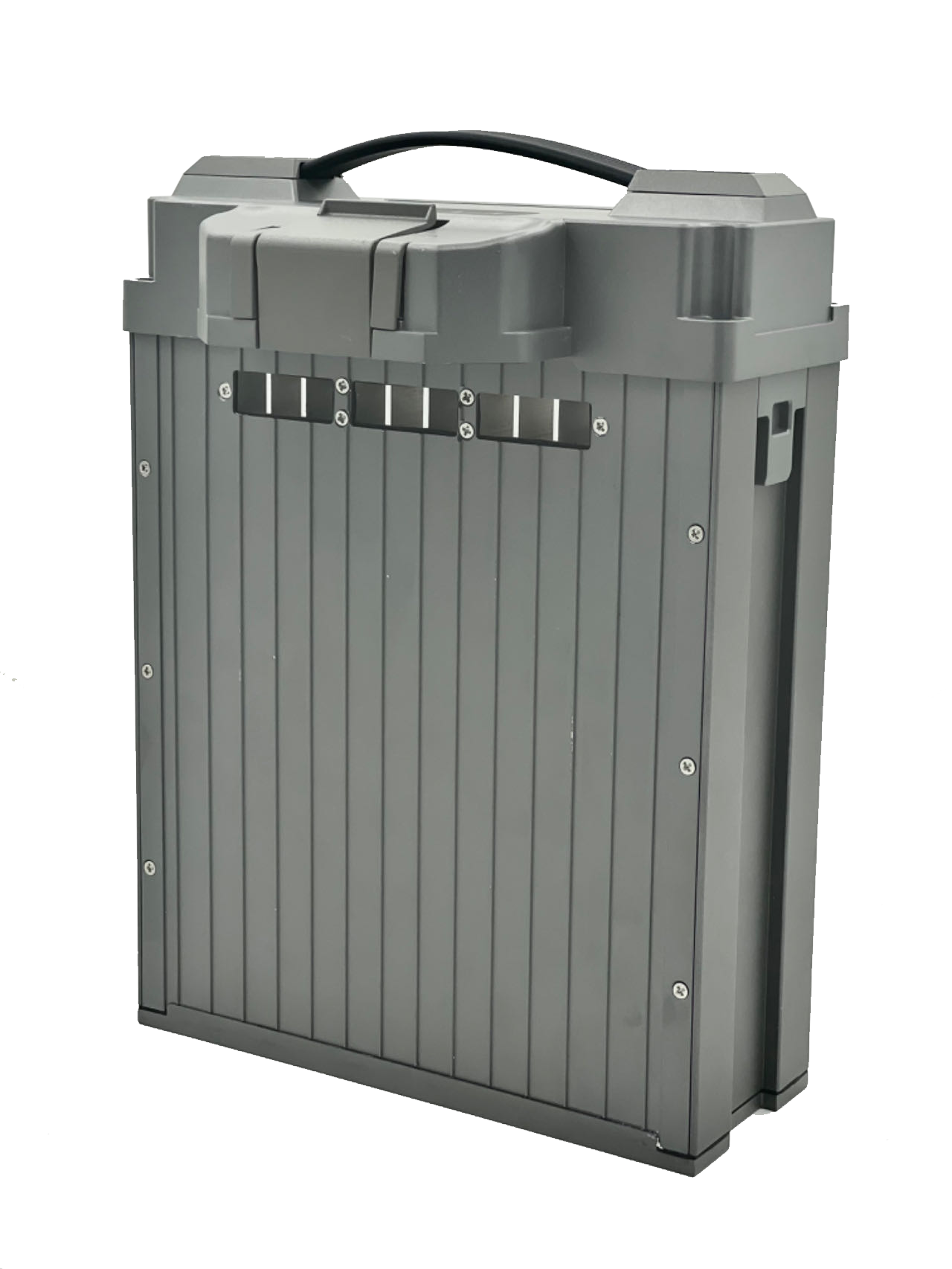
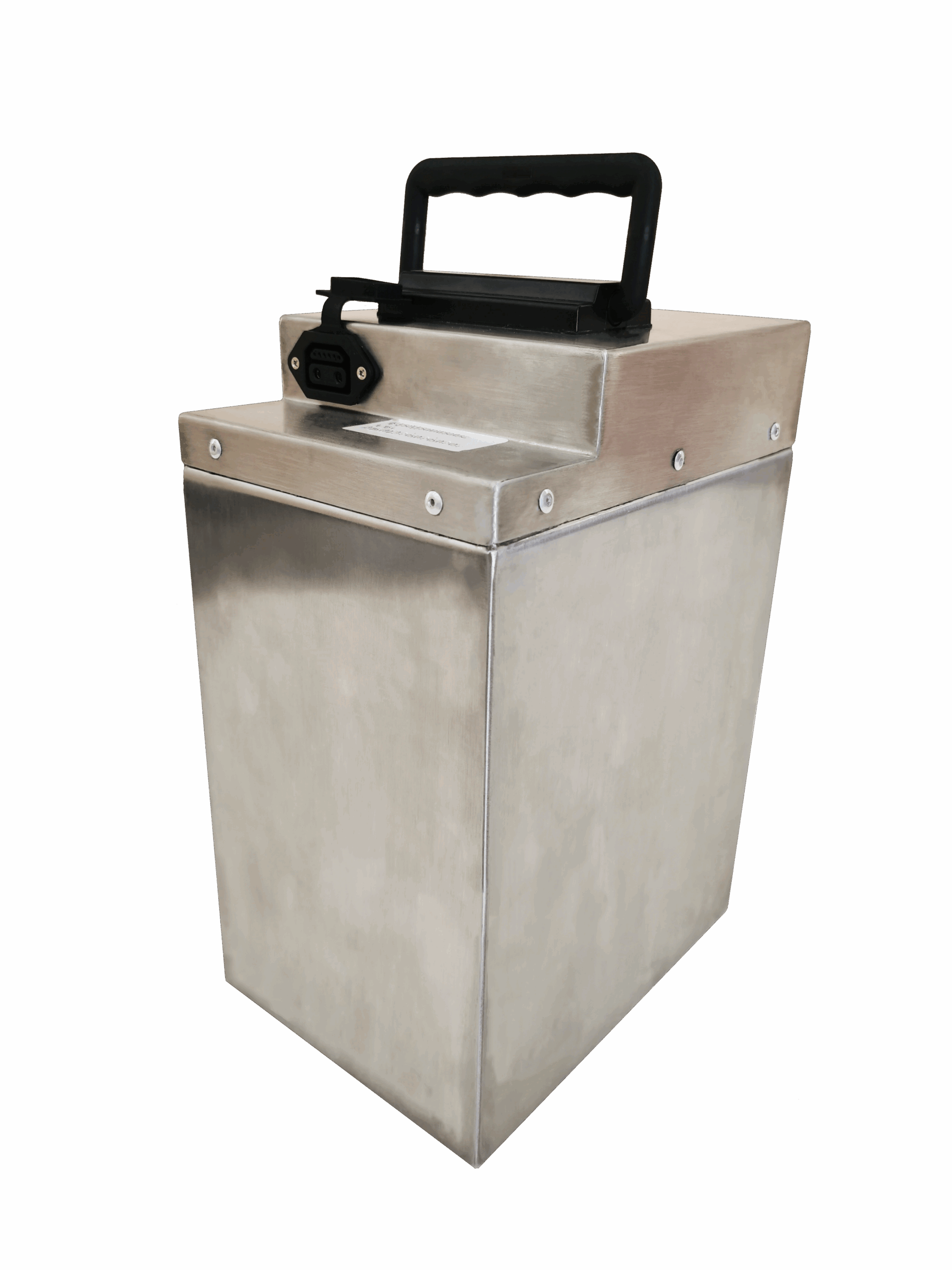
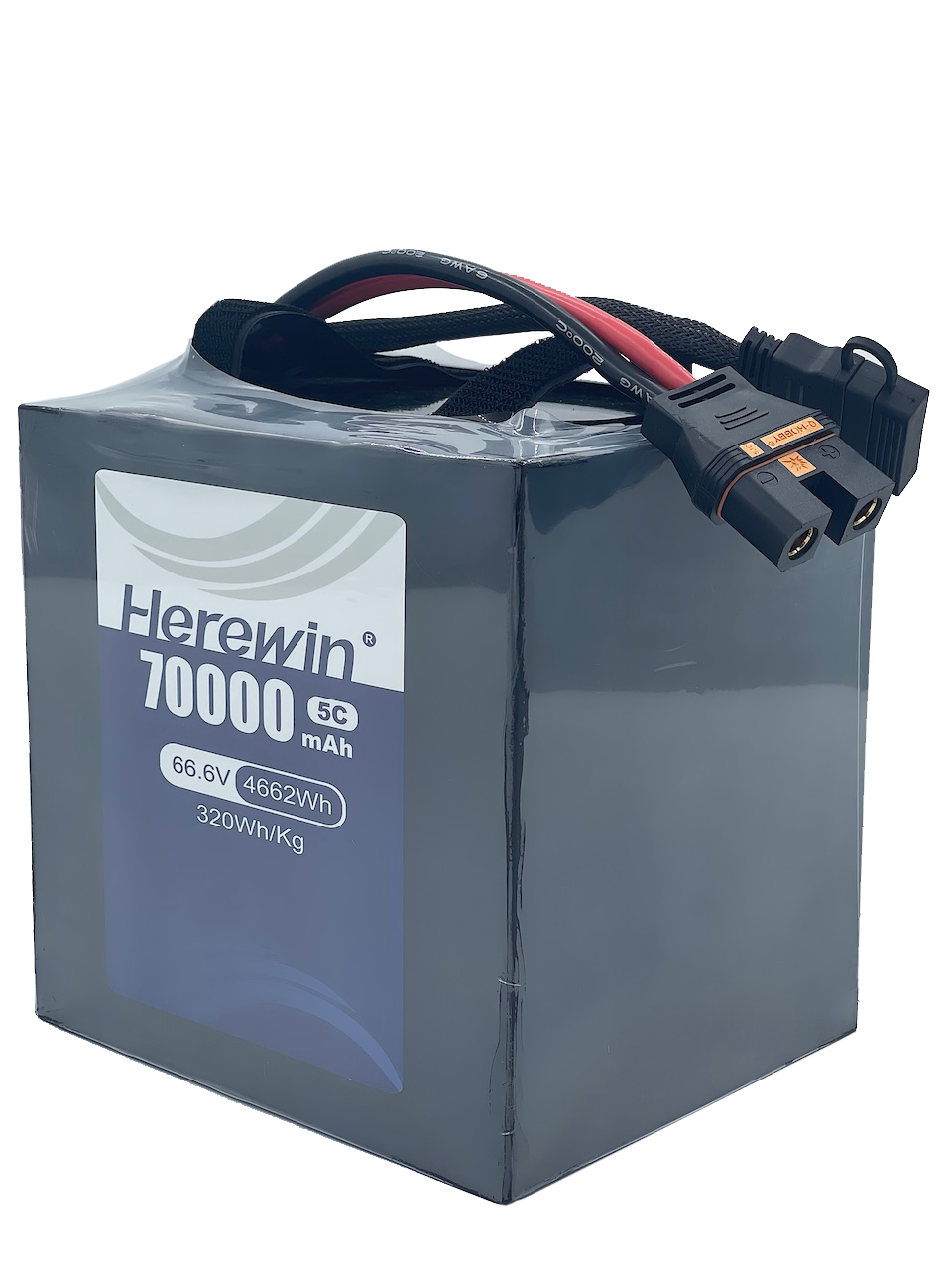
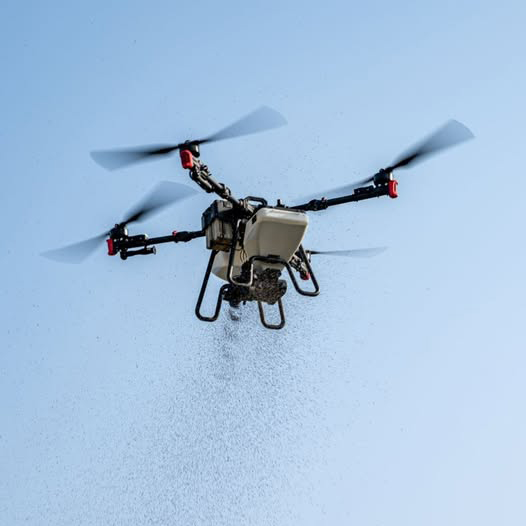



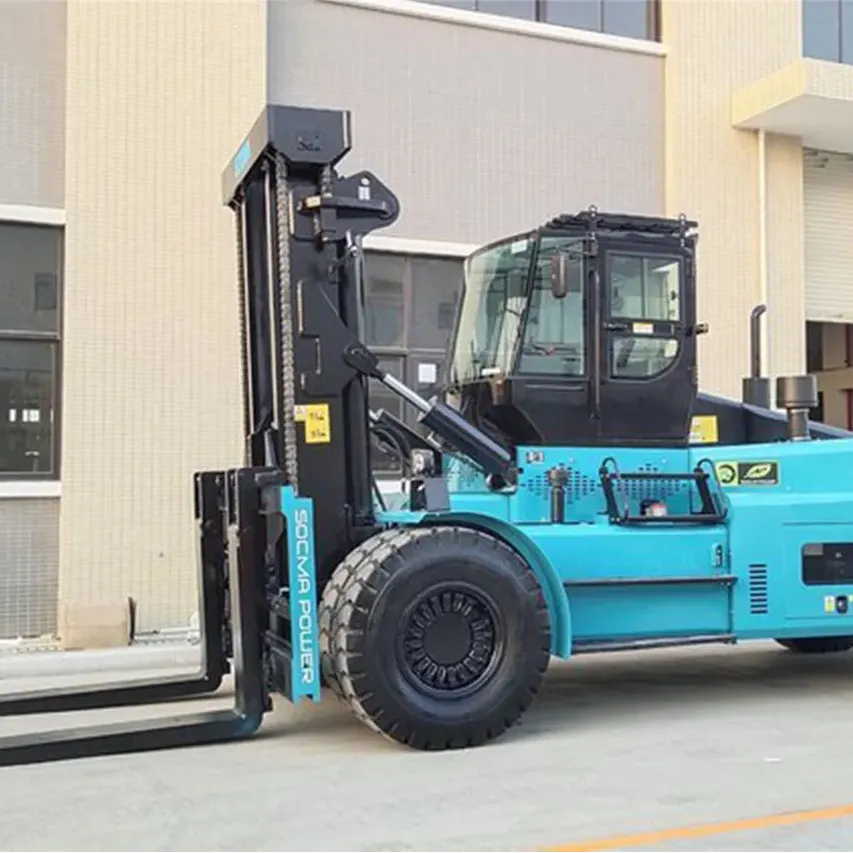

If you operate a logistics fleet, your battery is more than a component—it affects airtime availability, operational risk, and cross-border documentation. This guide explains how to select and operate a logistics drone battery that supports meaningful payloads and operational range while meeting air-transport and customs requirements. We focus on two high-impact scenarios—cross-border small-item transport and warehouse or port transfer—and explain how to balance energy density, discharge stability, and temperature control within the framework of UN38.3 and IATA DGR.
This guide focuses on high-energy propulsion battery packs for UAV powertrains—not small coin cells used in parcel-tracking tags.
Industry context and 2026 trend watch for logistics drone batteries
Logistics fleets are being pushed in two directions at once: higher payload–range demands, and tighter scrutiny when lithium batteries enter the air-cargo chain. So battery decisions aren’t only about Wh/kg anymore—they’re also about traceability, documentation discipline, and how quickly your operation can adapt when rules tighten.
On the technology side, semi-solid and early solid-state approaches are being explored for energy density and thermal stability. For operators, the practical question is whether a supplier can show repeatable, mission-representative discharge and thermal behavior for the exact shipped configuration (not a lab-only prototype). Treat next-gen chemistries as pilot programs until you’ve validated them in your own duty cycle and ambient extremes.
On the compliance side, the trend is toward proving process, not just presenting a certificate. IATA updates continue to emphasize state-of-charge control, correct UN numbers, and mark/label accuracy. If you can’t show SoC logs, pack IDs, and batch traceability on demand, a ramp inspection can turn into delays and returns.
UN38.3 compliant logistics drone batteries — what operators and shippers must prove
For international air cargo, UN38.3 is not a label—it’s a verifiable test regime and documentation package carriers, freight forwarders, and customs will ask to see.
Damaged or defective lithium batteries are generally not accepted for air transport, so your intake and quarantine process matters just as much as your paperwork.
UN38.3 covers eight transport-safety tests (T1–T8): altitude simulation, thermal cycling, vibration, shock, external short circuit, impact/crush, overcharge, and forced discharge. All matter, but for logistics drone packs, T3 (vibration), T4 (shock), and T5 (external short circuit) are the ones most likely to mirror real-world abuse (turbulence, hard landings, connector shocks). Ask suppliers to call out setups and results for T3/T4/T5 in the Test Summary so you can judge relevance.
A proper UN38.3 Test Summary should include sample identification (part/lot tied to the shipped configuration), test dates and the UN Manual edition, and the accredited lab contact. It should also show pass/fail for each test (including any deviations) plus a manufacturer declaration that the tested sample represents the shipped product.
UN3480 vs UN3481 (how it affects shipping):
A fast classification flow you can use before every booking
Are you shipping the battery by itself?
-
Yes → UN3480 → PI 965 → SoC ≤30% (air cargo) + correct marks/labels
-
No → Battery with/inside the drone?
-
Packed with equipment → UN3481 (PI 966)
-
Contained in equipment → UN3481 (PI 967)
-
Then: confirm any operator/state variations, net quantity limits, and whether Cargo Aircraft Only applies.
The UN3480/UN3481 classification determines your Packing Instruction, required marks/labels, and how spares are handled:
|
Identifier |
What it means |
Typical IATA Packing Instruction |
30% SoC limit for air cargo? |
|---|---|---|---|
|
UN3480 |
Lithium-ion batteries shipped by themselves |
PI 965 |
Yes (≤30% SoC is required) |
|
UN3481 |
Lithium-ion batteries packed with equipment or contained in equipment |
PI 966 / PI 967 |
Depends on configuration; verify the current IATA DGR and operator variations |
Why state-of-charge (SoC) and declarations matter:
-
IATA requires UN3480 batteries offered as air cargo to be at or below 30% SoC; this must be reflected in the Shipper’s Declaration and Additional Handling Information.
-
Some operators and state variations apply additional SoC handling expectations to certain UN3481 configurations, so don’t assume last year’s workflow will stay sufficient—check the edition you ship under and carrier-specific variations.
-
For U.S.-bound shipments, PHMSA/HMR align with these requirements on marking, documentation, and the prohibition of damaged/defective batteries by air.
For source-of-truth references, use the current IATA Lithium Battery Guidance Document alongside the applicable DGR edition/addenda (for example, IATA DGR 67th edition addendum).
In the European Union, there isn’t a single EASA-issued “battery standard” that replaces UN38.3 or the air-cargo dangerous-goods rules. In practice, battery expectations are addressed through the broader UAS compliance and operational-risk framework (for example, Specific-category operations supported by a SORA-based assessment) and through the transport dangerous-goods rules that govern how batteries move through the air-cargo chain.
For authoritative starting points, see EASA’s Easy Access Rules for Unmanned Aircraft Systems and EASA’s Agency Decision ED Decision 2025/018/R (SORA updates). Align your pack documentation, identification, and operating limits with your competent authority, your mission profile, and the transport rules you ship under.
Keep this checklist tied to each pack ID and the airway bill. If you can’t produce an auditable trail, a routine check can turn into holds, returns-to-shipper, and route interruptions.
If you buy batteries in batches, use a documented internal spot-check (for example, 1 pack per 50 received) to verify configuration consistency—labels/markings, BMS firmware version, connector/terminal protection, and basic electrical checks—and to confirm the supplier’s UN38.3 Test Summary matches the delivered lot.
Cross-border small-item transport drone batteries — an operator-first workflow
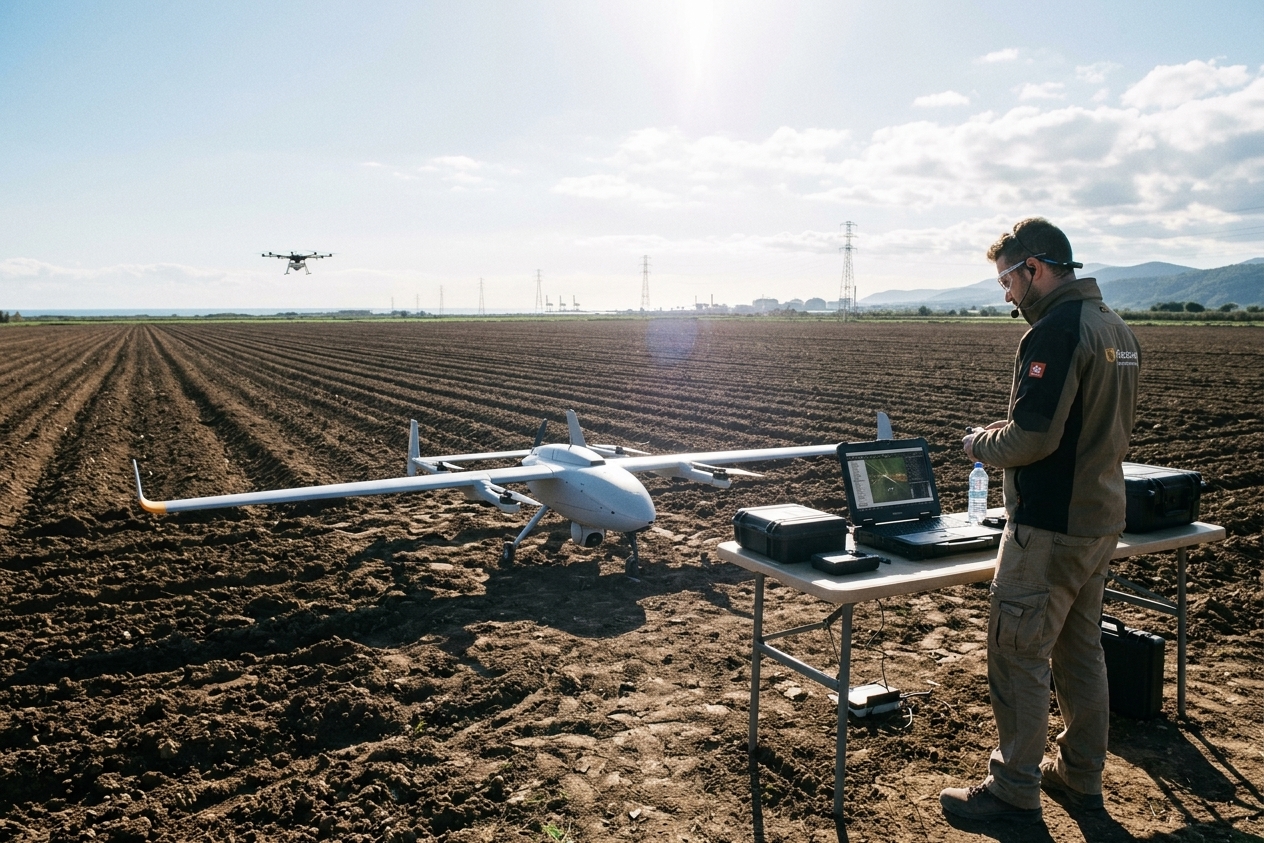
This scenario sends high-turnover parcels across borders by air cargo. Your aim is to fly legally, package and declare correctly, and avoid detention at the terminal or customs. Think of the workflow as three checkpoints: charge state and records, packaging and labeling, and carrier or route clearance.
Pre-shipment SoC control and declaration
You must be able to demonstrate SoC ≤30% for UN3480. Treat it as a controlled workflow:
-
Set a shipping SoC target in your BMS/charging software (often 25–28%) using a calibrated reference.
-
Log SoC at handoff and tie the timestamped record to the pack ID and AWB; use it to support the Shipper’s Declaration handling notes.
-
Protect terminals (non-conductive caps/covers) and prevent movement to reduce short-circuit risk.
Add a short internal checklist and a dual-review step for the Shipper’s Declaration (DGD): one trained preparer plus a second qualified reviewer verifying SoC logs, UN numbers, PI selection, and label placement.
Packaging, labeling, and carrier selection
Package to prevent movement and short circuits, then label to match the classification.
For standalone batteries (UN3480), apply the Lithium Battery mark showing UN3480 and the Class 9 label; add Cargo Aircraft Only when required. For batteries packed with/contained in equipment (UN3481), follow PI 966/967 and ensure marks remain visible (including overpacks when inner marks aren’t visible). Before booking, check operator and state variations—many carriers restrict UN3480 on passenger aircraft.
Keep a shipment documentation set aligned to the pack IDs: UN38.3 Test Summary, SDS, Shipper’s Declaration, commercial invoices, and any destination-specific import requirements. For multimodal legs, add moisture protection (barriers/desiccants) so connectors and labels survive humidity exposure.
Warehouse and port transfer — high-payload routines that protect range and uptime
Intra-country and port-corridor missions live or die on turnaround speed and repeatable safety. Your main constraints are sustained-discharge heat, vibration/shock, and charging that matches the shift plan.
Acceptance checks
Before each shift, verify pack temperature, open-circuit voltage, physical integrity, and cycle count, then run a quick BMS health scan. For heavy-lift multirotors, track internal resistance trends so you catch aging before voltage sag compromises hover.
Batch charging
Define charging lanes plus cooldown intervals that keep pack delta‑T within validated limits. Many fleets stay at ≤1–2C unless that specific pack is validated for higher rates. Keep charging bays mapped to flight lines so swaps are predictable.
Thermal and vibration controls
Use vibration isolation and maintain airflow/heat sinking. In hot depots, add shade and ventilation; in cold warehouses, insulate and pre-warm so cells start in a productive window.
Traceability
Assign lot IDs that tie each pack to its UN38.3 Test Summary and a maintenance log; reuse the same ID in incident reports and warranty claims.
Battery selection for Logistics drone payload-range balance
You want watt-hours per kilogram for reach, but you need discharge stability and thermal headroom so your hover and climb don’t trip voltage floors. You also need a pack format and BMS that your operations team can actually live with.
Energy density versus C-rate trade-offs
Common field sizing ranges (always validate against your airframe and duty cycle):
-
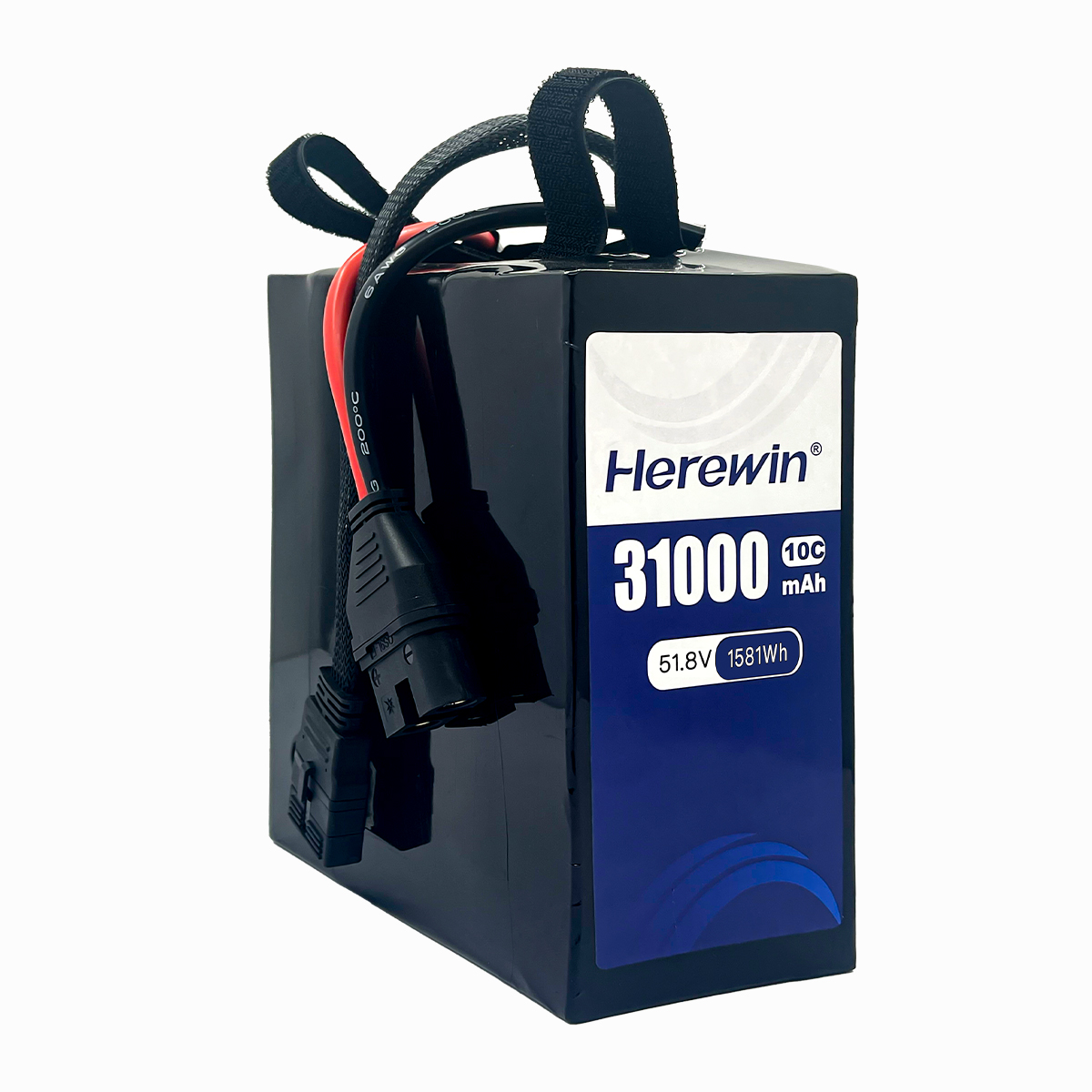
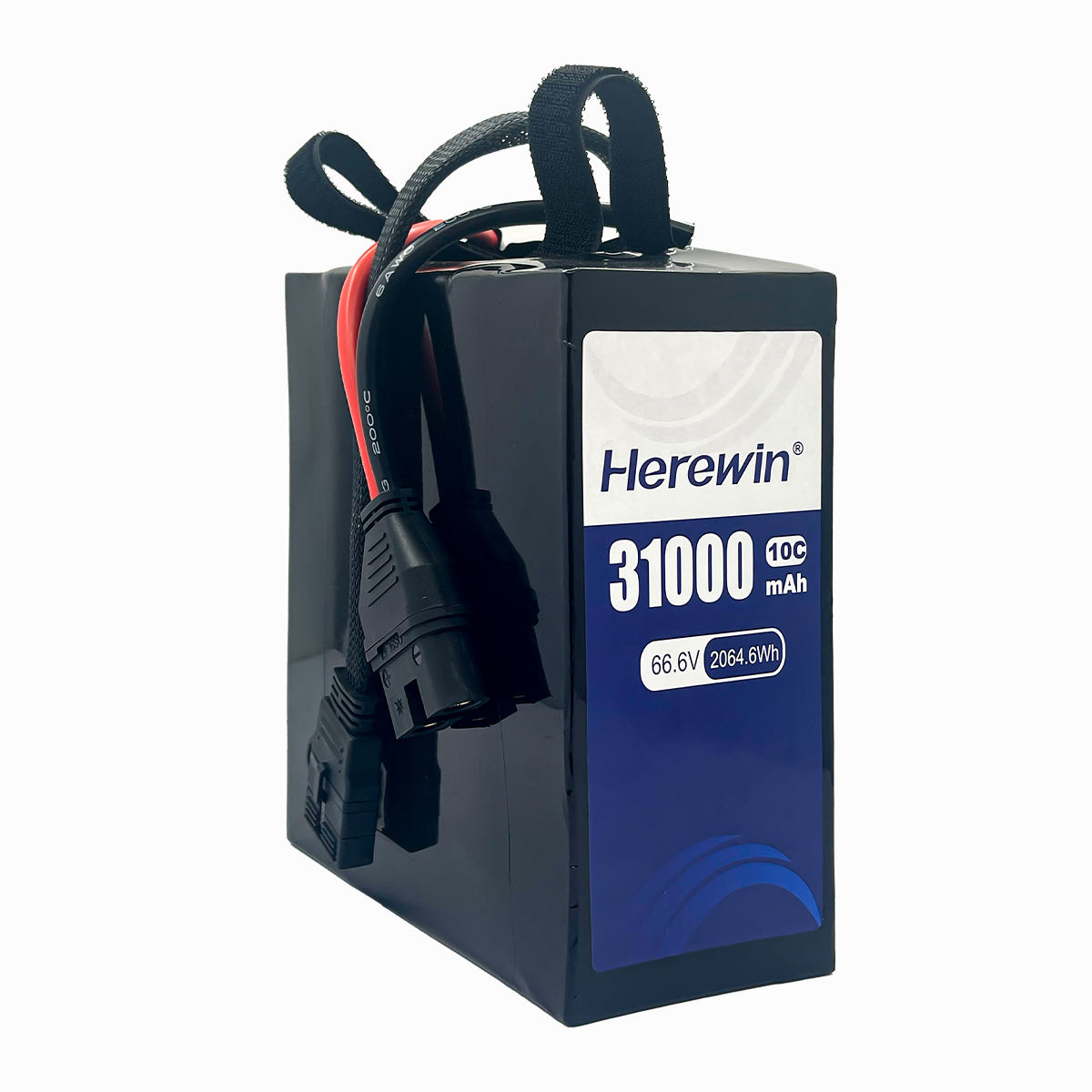
Small parcel UAVs (about 2–5 kg payload): often fall in the ~400–900 Wh pack-energy range.
-
Mid to heavy logistics platforms (about 20 kg+ payload): often land in the ~2.5–5 kWh range, typically using higher-voltage packs to keep currents manageable.
Treat these as starting points for mission planning, not specifications. Your usable energy will depend on hover time, wind margin, peak climb power, temperature, and voltage floors enforced by the BMS/ESC.
Energy density is your range budget; C-rate stability is your safety margin under load. If you’re evaluating newer semi-solid chemistries for high-payload platform work, demand verified Wh/kg and discharge curves under mission-representative currents and temperatures. Absent peer‑reviewed UAV data, default to conservative C-rate assumptions and test under real propeller loads rather than benchtop resistors.
A quick numeric snapshot to ground decisions
Suppose your platform lifts a 6 kg payload with a 12 kg airframe and a 4 kg battery, drawing ~1.5 kW in cruise with 3–4 kW peaks for climb/transition. A 1.6 kWh pack might pencil out to ~38 minutes at cruise power on paper—but if hover segments trigger voltage sag that cuts usable capacity by 10–15%, your usable time can look more like ~32–34 minutes.
-
For multirotor hover segments, voltage sag dictates usable capacity; a pack that holds voltage at 3–5C pulses with modest temperature rise often outperforms a higher‑Wh/kg pack that sags.
-
For fixed-wing cruise, aerodynamic efficiency shifts the limiting factor to total Wh, but climb segments still require C‑rate margin.
Pack architecture and BMS strategies
Series/parallel decisions:
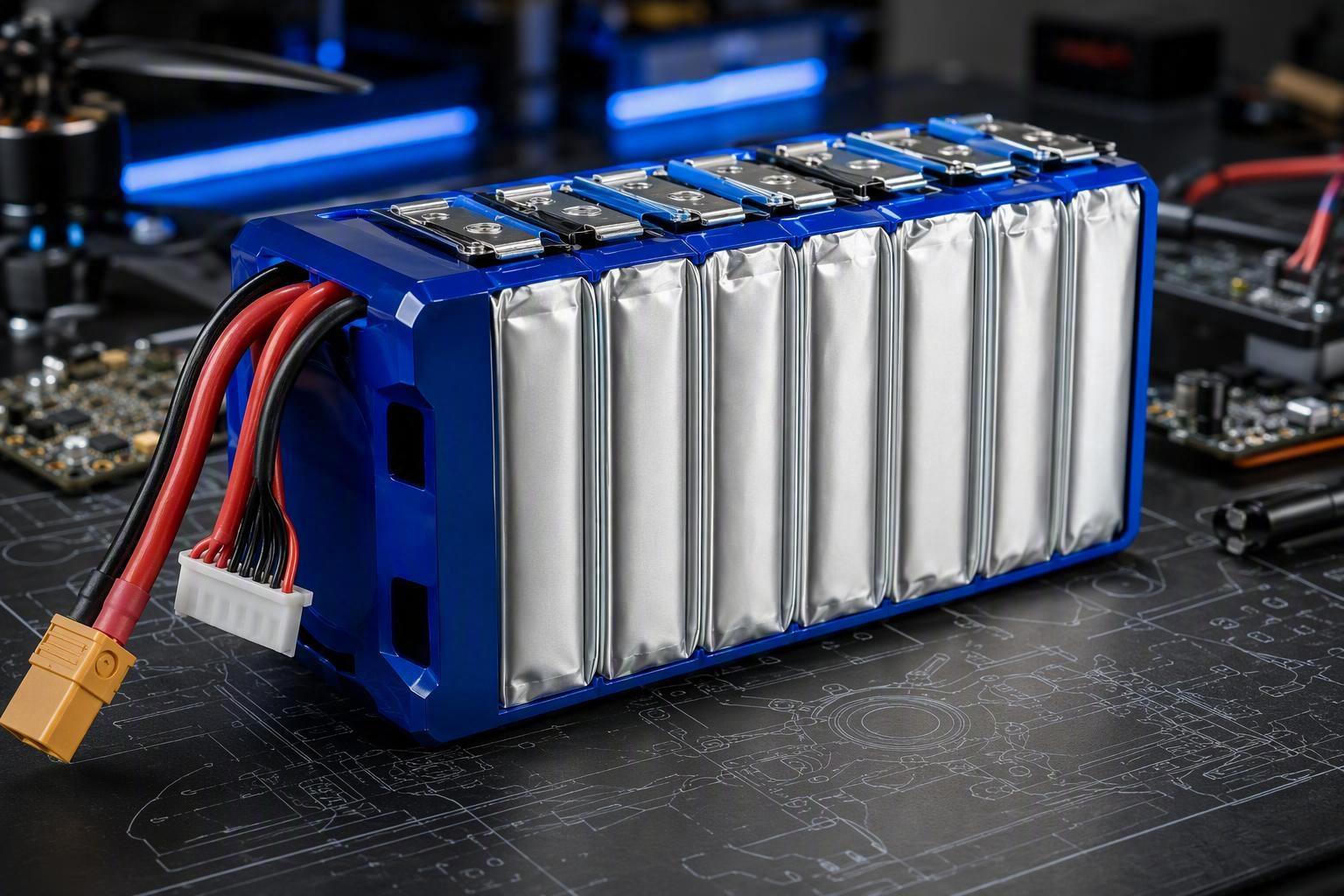
Choose a series count that keeps current reasonable for your ESCs, then parallel for capacity and current-sharing. More parallels can mask weak cells unless the BMS actively manages balance and logs per-string health.
Firmware guardrails:
Implement hard limits for temperature, current spikes, and voltage floors; add soft limits that nudge operators early. Predictive SOC and SOH models reduce mission aborts by estimating usable energy based on recent thermal and current history.
Temperature control that works in the field:
Insulation and conduction paths should be validated in chamber and flight tests from roughly −20 °C to 45–60 °C, depending on your routes. If you routinely see hot days at ports, design for airflow across the pack housing; in cold starts, a brief pre-warm improves both power delivery and cycle life.
Prefer cells with independent safety verification such as UL Recognized Component status or equivalent national approvals. UN38.3 demonstrates transport robustness, but UL (or IEC/EN equivalents) focuses on application safety — design, abuse testing, and propagation control. Using UL-recognized cells shortens system-level certification time and supports thermal-stability claims during high-altitude or high-discharge aerial missions, because the cell-level reports feed directly into system propagation and containment testing.
Fleet operations and TCO — batch charging, turnaround, lifecycle planning
Turnaround is the real cost center. A logistics program that keeps aircraft in the air and batteries in their optimal window reduces schedule risk and battery depreciation per flight hour—and compliance is part of that uptime, not a separate checkbox.
Inventory and rotation
Keep a buffer ratio (e.g., 1.3–1.5 batteries per active aircraft) sized to your route length and charging rate. Rotate packs to balance cycle counts; it’s easier on your budget than running a few packs to early retirement.
Charging windows and storage
Target mid‑SoC storage when possible and avoid leaving packs at high temperature immediately after charge. For long idle times, park packs at 30–50% and in a cool, dry zone. These basics pay compounding dividends on cycle life and reduce outlier failures that cause schedule slips.
From a business angle, a single noncompliant air-cargo tender (for example, UN3480 packs handed over above the SoC limit, missing marks, or mismatched paperwork) can trigger returns-to-shipper, rework labor, storage fees, and missed delivery windows. In practice, those knock-on costs can quickly rival the battery value—so investing in repeatable SoC control, documentation, and label QA is often one of the highest-ROI “battery upgrades” a fleet can make.
To make the data useful, log temperature peaks, delta‑T within the pack, peak current events, and voltage floors on every mission—and tie each record to the flight ID and pilot. When a pack’s resistance starts rising or a cell group begins to drift, those trends usually show up in your logs before they turn into a missed delivery window.
It also helps to treat spares and incident stock as a managed system, not a shelf. Set aside a small quarantine area for suspect packs and run a documented incident-response protocol that captures photos and BMS/charge logs, then routes any returns through a dangerous-goods-compliant process.
Incident handling, returns, and customs delay mitigation
Even a clean program will face anomalies—a puffed pack on arrival, a misapplied label, a customs query about UN numbers. Treat them as process tests.
Move suspect packs to a safe, ventilated area; capture photos, BMS snapshots, and chain-of-custody notes tied to the pack ID. Do not attempt to fly or recharge a suspect pack. Determine the correct return pathway: damaged or defective batteries are generally forbidden by air transport under international rules; engage your DG specialist to route by ground or follow national provisions for exceptions. Clear customs questions with documents, not opinions: provide the UN38.3 Test Summary, SDS, and the exact PI and UN number used. If the issue is label visibility on an overpack, supply photos that show all required marks.
Add an internal compliance checklist and dual-review step to incident workflows: any release, return, or rework paperwork that affects DGD or UN numbers must be reviewed and signed by two qualified staff (the on-shift operations lead plus a DG-trained compliance reviewer) before the pack leaves the facility or is returned to a carrier.
For international harmonization and national variations, consult the ICAO 2025–2026 Technical Instructions revisions summary and EASA’s 2025 recommendations on lithium‑battery risk: ICAO 2025–2026 TI revisions summary e EASA lithium battery risk recommendations (2025).
Supplier due diligence note
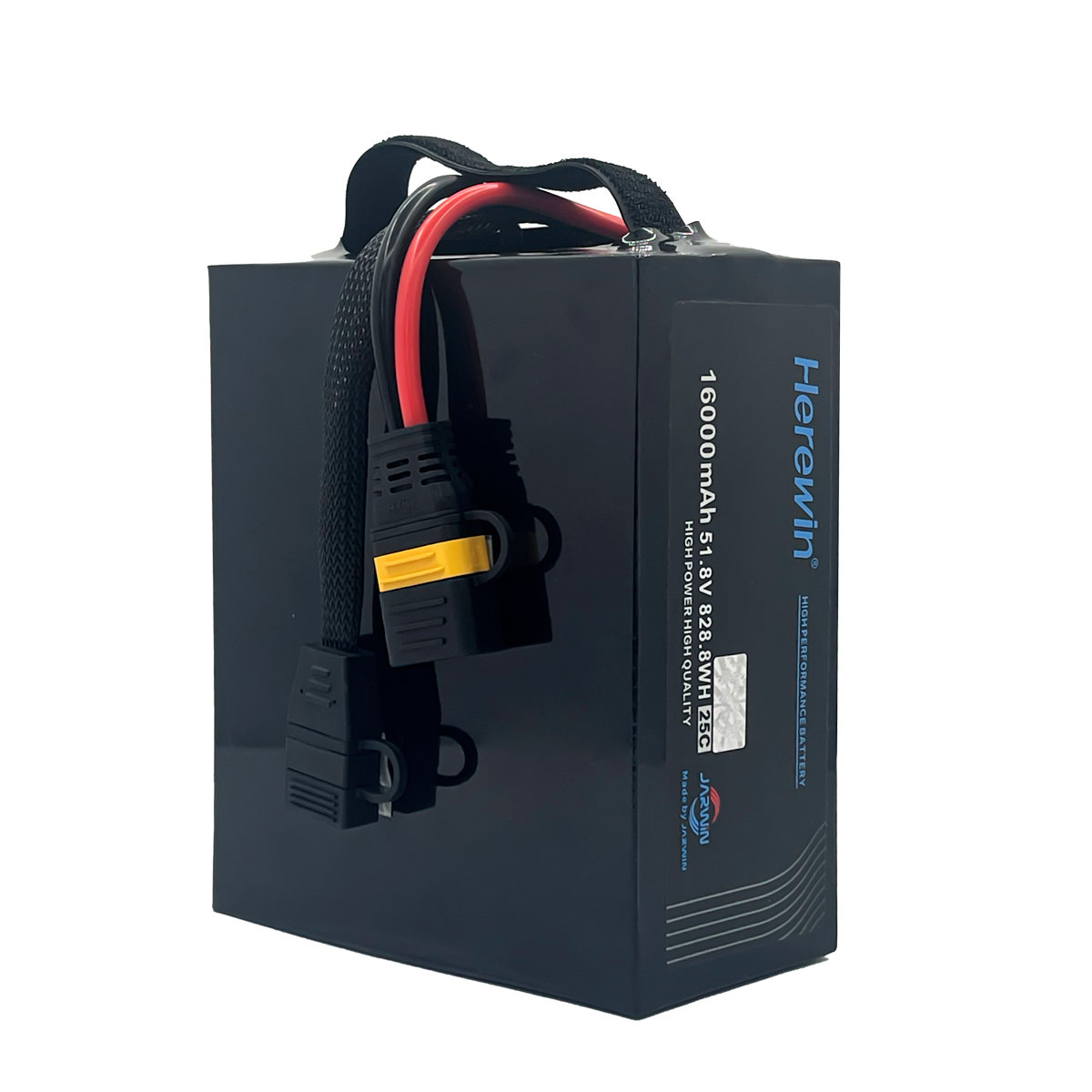
If you’re vetting suppliers, ask for batch traceability and a UN38.3 Test Summary that clearly matches the exact shipped configuration (part/lot, dates, lab, T1–T8 results, and manufacturer declaration). One public example of how a supplier summarizes product families and certification information is Herewin’s drone battery solutions page.
FAQ
What’s the difference between UN3480 and UN3481 for my fleet shipments?
UN3480 is for standalone lithium-ion batteries. UN3481 is for batteries packed with or contained in equipment (your drone). The choice determines your Packing Instruction (PI 965 for UN3480; PI 966/967 for UN3481) and often affects label combinations and carrier acceptance.
Do installed drone batteries still need UN38.3?
Yes. UN38.3 is a prerequisite for offer for transport, regardless of whether the battery ships alone or with equipment. Keep the Test Summary available for inspection.
How do I prove SoC ≤30% for UN3480 air cargo shipments?
Configure shipping profiles that land at 25–28% to account for instrument tolerance, export a timestamped log tied to each pack ID, and include an SoC statement in the Additional Handling Information of the Shipper’s Declaration. Carriers expect clear evidence per IATA guidance.
Can I ship spare batteries with the aircraft in the same box across borders?
Possibly, under UN3481 “packed with equipment” if all other conditions are met. But quantity limits, packaging details, and airline variations still apply. Always verify the latest IATA DGR and any operator or state variations before booking.
When do I need to retest for UN38.3?
Design changes that affect safety—such as different cells, BMS alterations, layout changes, or housing modifications—trigger a need to retest and update the Test Summary. Accredited labs publish notices when common gaps arise; use them as a cross-check during procurement.
A concise selection and operations checklist
Use this compact set of questions as a gate before you order, fly, or ship.
-
Does the pack have a current UN38.3 Test Summary you’ve read and mapped to the exact configuration you’ll fly and ship?
-
Can the pack hold voltage under your mission’s peak currents at expected ambient extremes, with logged thermal behavior that stays inside your guardrails?
-
Do your SOPs control SoC ≤30% for UN3480, apply correct labels, and document every pack’s handoff?
-
Are carrier and state variations checked and archived for the route, with fallback options for returns or incidents?
-
Are batch charging and storage windows realistic for your turnaround, with rotation that flattens cycle counts and reduces early retirements?
For cross-border missions, uptime comes from treating your Logistics Drone Battery like an audited system: you should be able to point to a pack ID, produce the matching UN38.3 Test Summary, and show a repeatable SoC-and-labeling workflow for every tender.
Write down your “must-have” evidence pack (UN38.3 Test Summary tied to part/lot, SoC control records, labeling photos, and BMS limits/logs) and use it as a hard gate before each shipment—because the fastest way to lose flight time is a preventable hold caused by missing or inconsistent paperwork.



 Italiano
  English
  Español
  한국어
한국어  Deutsch
  Français
  日本語
日本語  Русский
  Bahasa Indonesia
  ไทย
ไทย  العربية
  Português do Brasil
  Nederlands