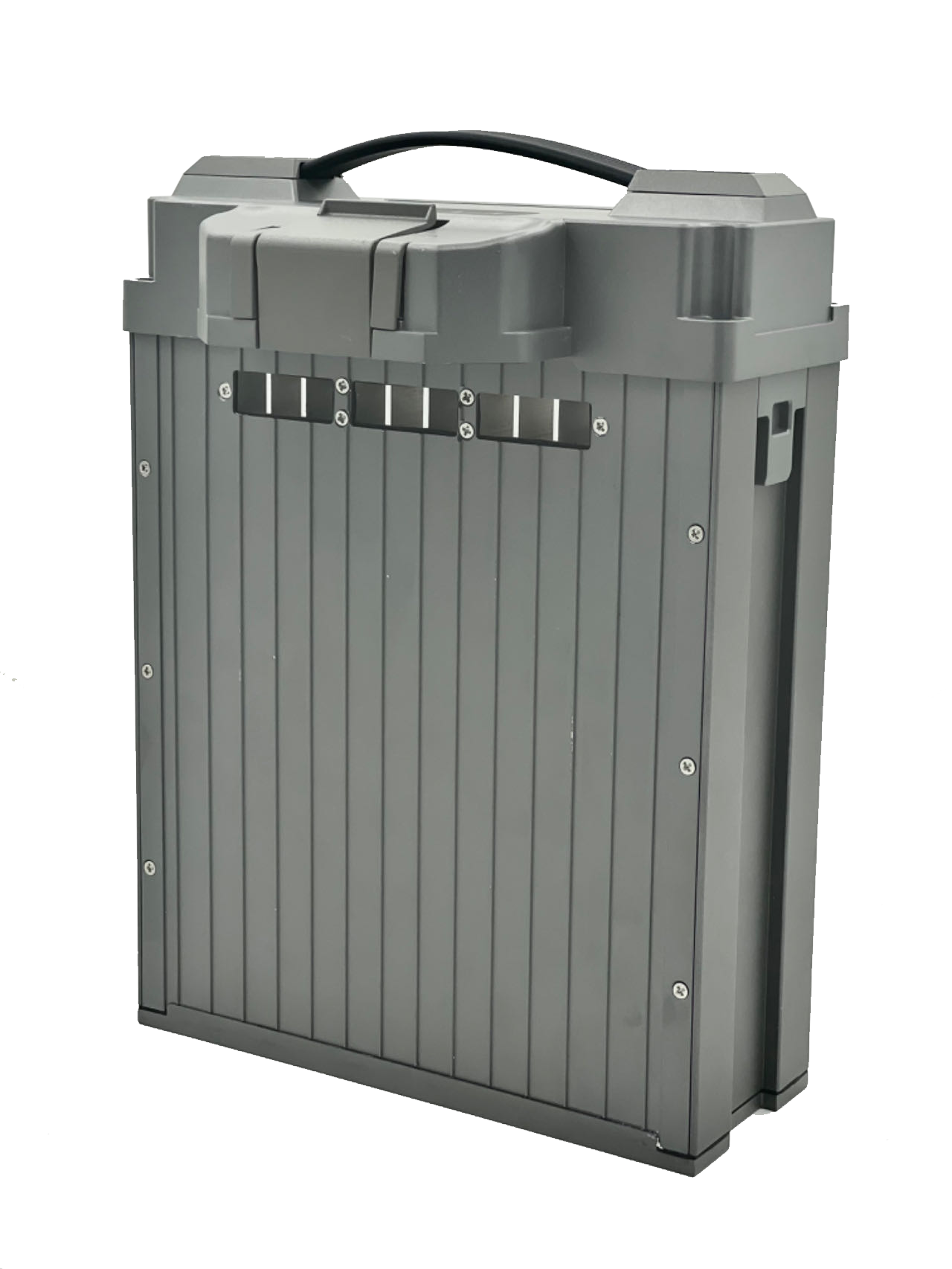
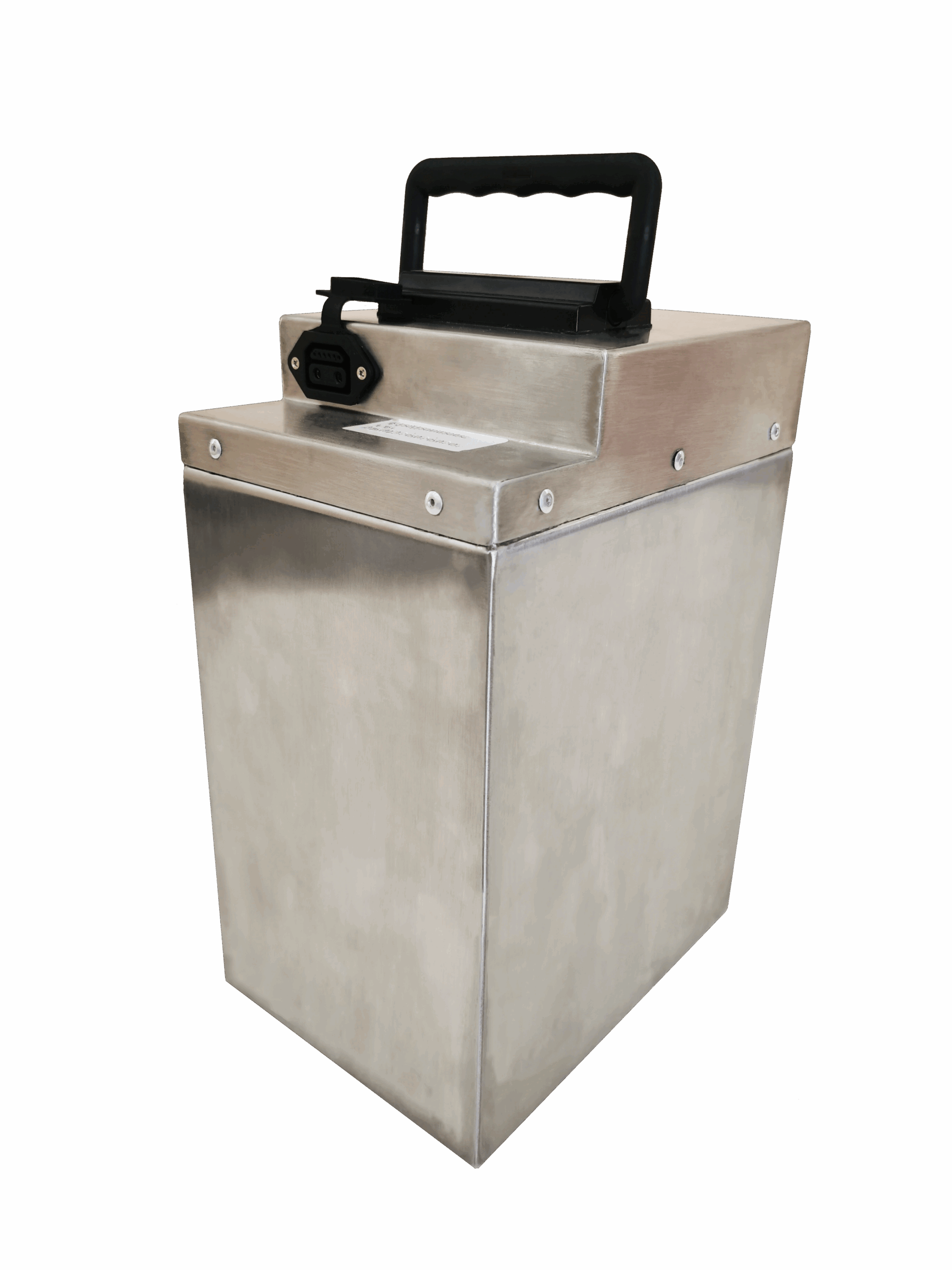
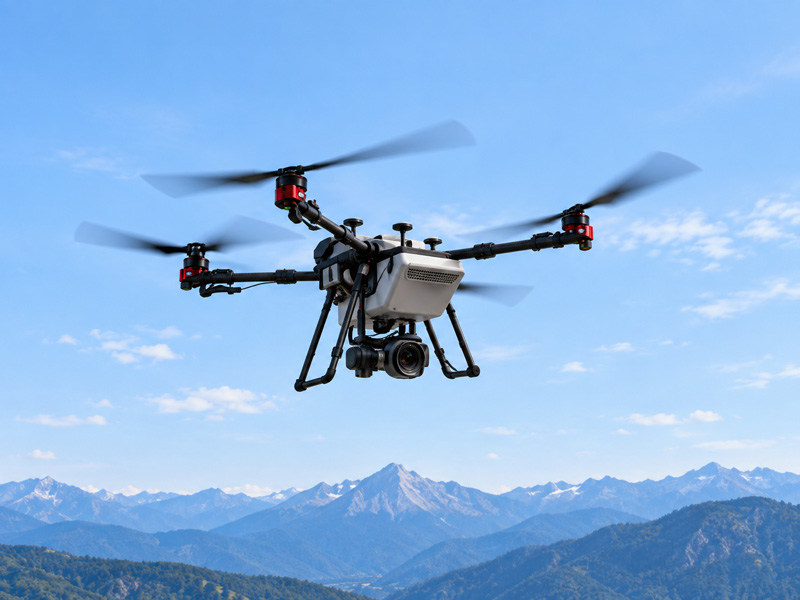


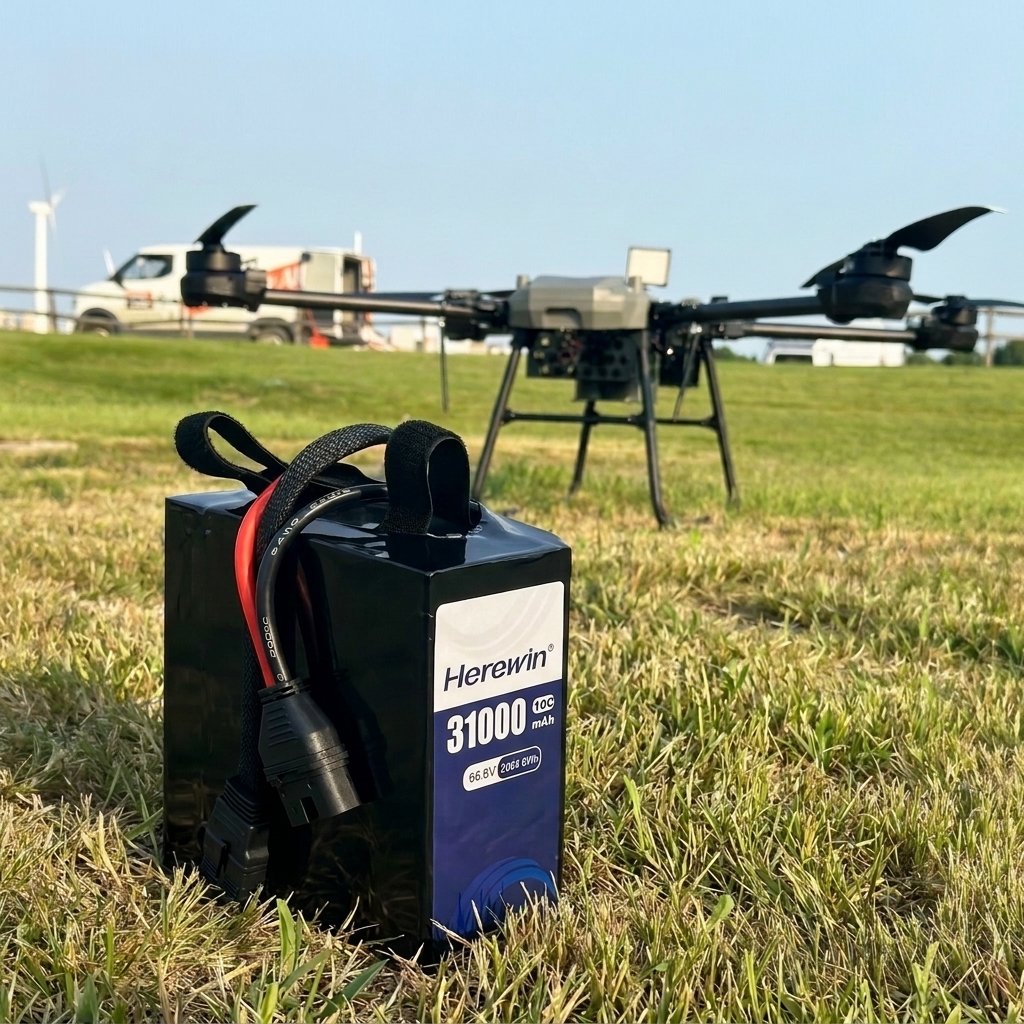
For many commercial UAV applications, battery capability is becoming one of the primary factors limiting flight endurance, payload capacity, and operational efficiency. Modern industrial drone platforms feature carbon-fiber airframes, high-efficiency brushless motors, and autonomous flight controllers capable of precise multi-rotor and VTOL navigation. However, energy storage remains one of the most critical limitations when operators demand longer endurance, heavier payload capacity, and higher daily field productivity.
For fleet operators, the question is no longer simply how long a drone can fly. The real question is how much work a platform can complete before returning for charging or battery replacement. In 2026, semi-solid UAV battery technology is transitioning from advanced validation stages toward early commercial deployment in selected high-performance UAV applications. Rather than replacing conventional lithium-polymer (LiPo) and nickel-manganese-cobalt (NMC) batteries overnight, semi-solid UAV batteries provide a targeted power upgrade for demanding industrial missions where flight duration and payload margin directly dictate operational economics. For OEMs and fleet operators, the decision is not simply about adopting a new battery chemistry, but about achieving more mission capability within the same aircraft weight budget.
Why Traditional UAV Batteries Are Reaching Their Practical Limits
For weight-sensitive UAV platforms, the fundamental limitation is not only battery capacity—it is how much usable energy can be stored within a fixed aircraft mass budget. This energy density bottleneck directly limits operational scaling for commercial fleets.
Conventional LiPo and lithium-ion batteries have served as the standard power architecture for the commercial drone industry for over a decade. Their primary strengths are well established:
High Power Output: Traditional LiPo chemistry delivers high discharge rates (C-rates), enabling the instantaneous thrust required for heavy lift and rapid altitude correction.
Mature Supply Chain: Standardized cell dimensions, automated manufacturing, and widespread availability keep initial acquisition costs low.
Proven Reliability: Flight controllers and ground power stations have mature charging profiles and telemetry parameters tuned specifically for standard 6S to 14S LiPo configurations.
Despite these advantages, conventional liquid-electrolyte lithium chemistry is approaching practical optimization limits for weight-sensitive UAV applications. Many commercial Li-ion and LiPo cells currently operate within approximately 180–250 Wh/kg at the cell level, which translates to approximately 160–210 Wh/kg at pack level depending on structural design, thermal management, and integration requirements.
When commercial operators attempt to extend flight time simply by installing larger traditional battery packs, they encounter a severe weight penalty. Adding raw battery mass increases total aircraft takeoff weight (MTOW), forcing motors to draw higher continuous current just to hover. Beyond a specific threshold, additional battery mass yields diminishing endurance returns while directly subtracting from payload capacity. High liquid electrolyte content also increases thermal sensitivity, causing cell swelling and voltage sag during sustained high-load operations in hot environments.
What Is a Semi-Solid UAV Battery?
A semi-solid state UAV battery represents a hybrid electrochemistry that reduces the amount of free liquid electrolyte and introduces a semi-solid electrolyte structure. Unlike full solid-state batteries, semi-solid batteries represent an intermediate technology path that improves safety and energy density while maintaining compatibility with existing lithium manufacturing processes.
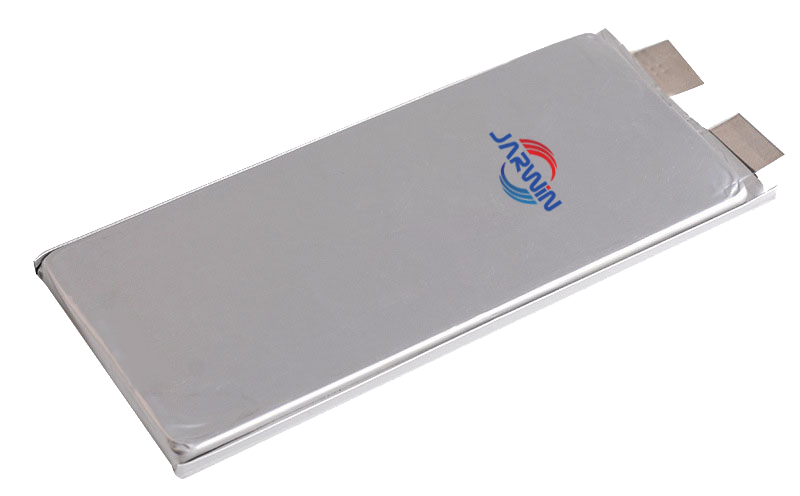
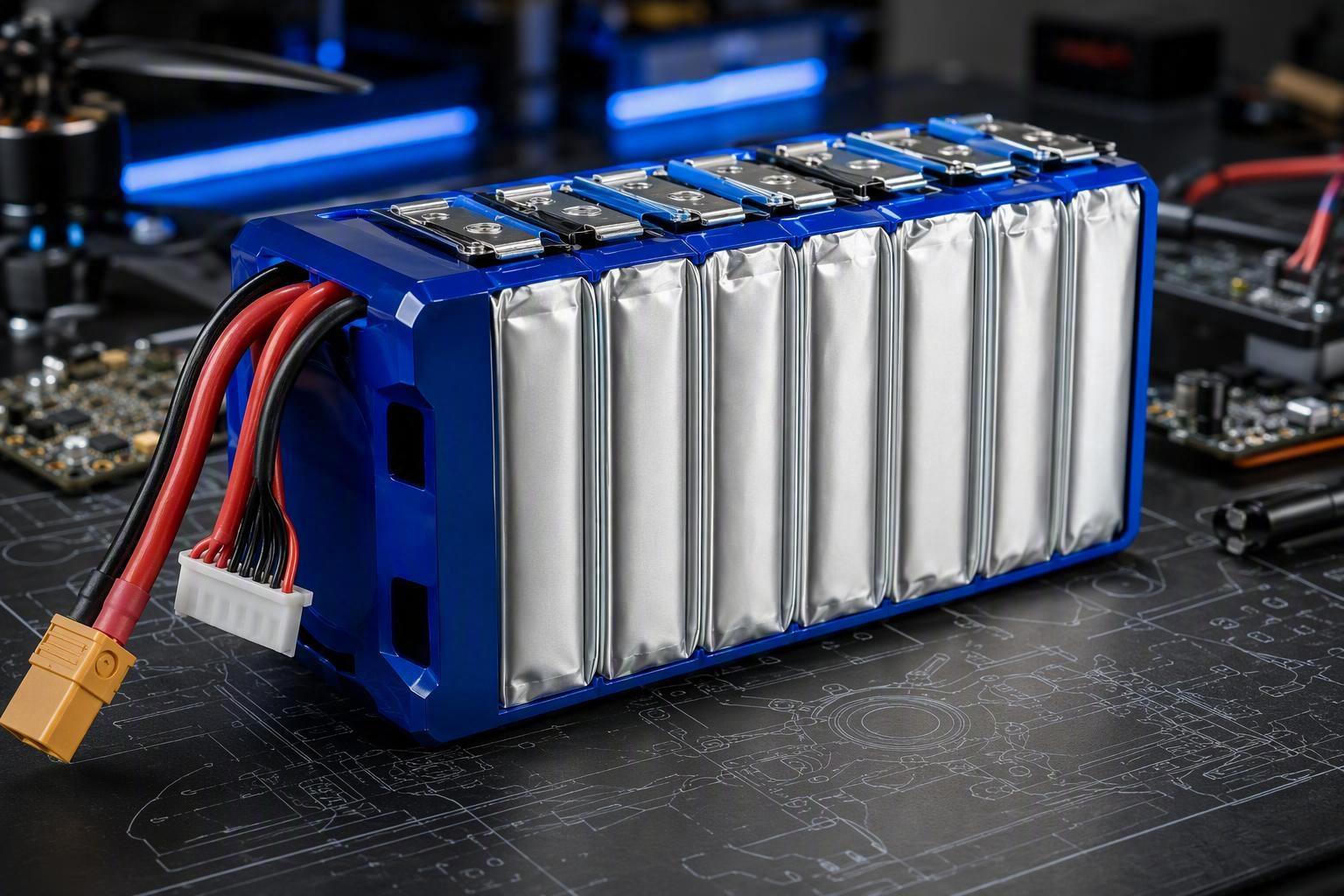
In a conventional liquid lithium cell, liquid electrolyte saturates a porous separator between the cathode and anode. In a semi-solid cell, the amount of free liquid electrolyte can be significantly reduced, replaced by an ion-conductive gel-polymer or ceramic-polymer matrix depending on the specific semi-solid architecture. Many semi-solid architectures retain advanced electrode designs, such as high-nickel NMC cathodes and silicon-carbon anodes, allowing manufacturers to leverage existing pouch-cell manufacturing processes.
Conventional Lithium Cell vs Semi-Solid Cell Architecture
Cell Architecture | Cathode Structure | Electrolyte / Separator Matrix | Anode Chemistry |
|---|---|---|---|
Conventional Liquid Cell | Standard Cathode (NMC/LFP) | Liquid Electrolyte + Porous Separator | Graphite Anode |
Semi-Solid Hybrid Cell | High-Nickel NMC Cathode | Ion-Conductive Gel/Polymer-Ceramic Matrix | Silicon-Carbon Anode |
By reducing volatile liquid content and stabilizing the interfacial boundary between electrodes, semi-solid UAV batteries address key endurance and safety trade-offs:
Higher Energy Density Potential: Reaches 300–350 Wh/kg class cell-level energy density (with specialized pouch cell designs reaching higher thresholds), reducing battery mass for a given energy capacity.
Improved Safety Characteristics: Lower liquid electrolyte volume significantly reduces internal vapor pressure, lowering the risk of thermal runaway, pouch inflation, and fire during structural impacts or overcurrent events.
Enhanced Thermal Stability: The solid-gel electrolyte structure improves thermal stability across a wider operating range compared with many conventional liquid electrolyte cells.
Why Semi-Solid Batteries Are Gaining Attention in 2026
The commercial drone sector is shifting from pilot testing toward large-scale fleet operations. In this environment, battery evaluation extends beyond unit cost to focus on total operational throughput. Buyers are evaluating semi-solid technology for three specific operational reasons:
1. Longer Flight Time Without Increasing Battery Mass
For enterprise drone fleets, flight endurance is directly tied to revenue. In agricultural spraying and spreading, operators evaluate battery performance not in arbitrary flight minutes, but in hectares covered per charge.
In practical spraying operations, even a moderate endurance improvement can reduce the number of battery swaps required during a working day. Depending on pack design and mission profile, higher gravimetric energy density allows the aircraft to maintain the same battery payload weight while extending usable flight time. This additional flight time increases field coverage per flight pass and improves overall operational efficiency.
2. Higher Payload Margin Under MTOW Constraints
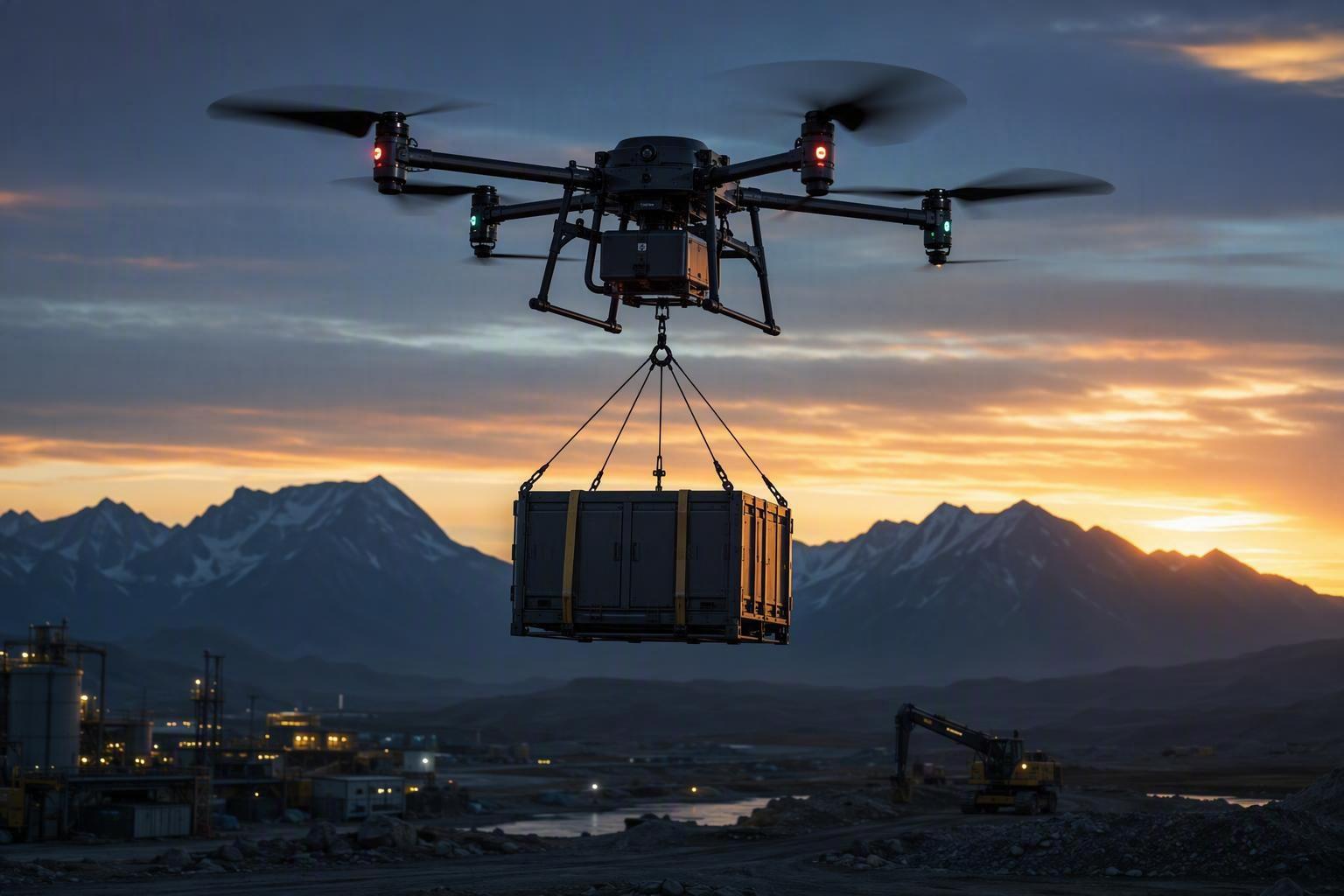
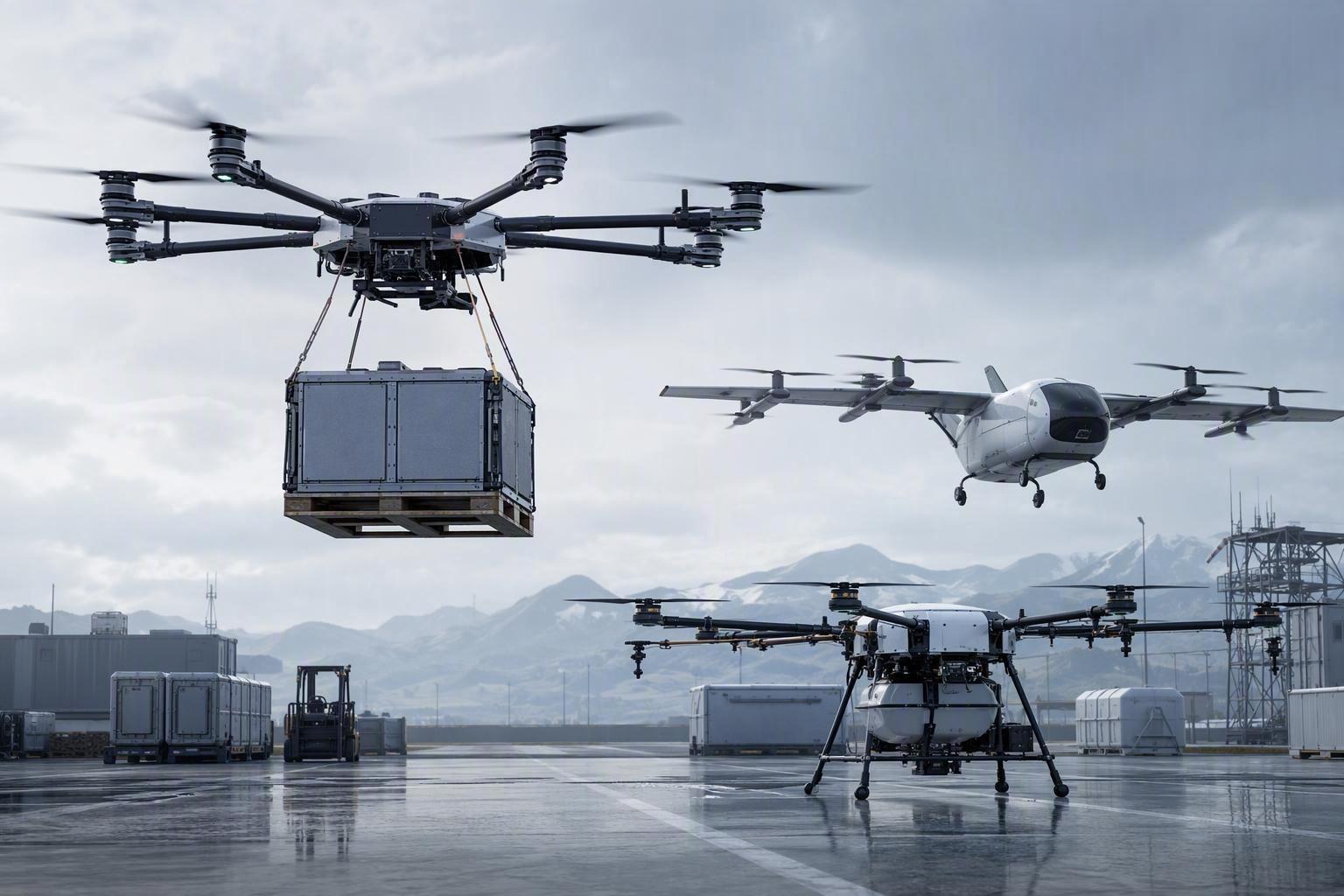
Heavy-lift multi-rotors, cargo delivery drones, and hybrid VTOL (Vertical Takeoff and Landing) platforms operate under strict MTOW constraints. Every kilogram allocated to power storage is a kilogram taken away from sensors, LiDAR payloads, or delivery cargo.
When payload weight increases, motor thrust demands surge, escalating power consumption. Semi-solid cells provide the gravimetric efficiency required to supply high total watt-hours without pushing the aircraft past its legal or structural weight limit. This mass-fraction advantage is particularly critical for long-range VTOL aircraft during the energy-intensive hover phase of transition.
3. More Stable Performance in Harsh Industrial Environments
Industrial operators in power line inspection, oil and gas monitoring, and mining survey require consistent electrical performance under extreme environmental stress.
Conventional LiPo cells experience rapid internal resistance buildup when operated in elevated ambient temperatures, causing steep voltage drops (voltage sag) during high-thrust maneuvers. Semi-solid cells can provide improved thermal stability and more predictable impedance behavior under thermal load, depending on cell design and operating conditions. Combined with improved cycle life potential and more predictable degradation behavior compared with many high-stress liquid electrolyte applications, semi-solid packs offer predictable asset depreciation and lower per-flight energy costs over their operational lifecycle.
Semi-Solid UAV Battery vs Traditional Lithium Battery: What Changes?
Choosing between conventional LiPo/NMC packs and semi-solid state batteries involves balancing energy density, continuous discharge rates, and total cost of ownership. The table below outlines key operational differences:
Performance Factor | Traditional LiPo / NMC | Semi-Solid UAV Battery | Operational Impact for Buyers |
|---|---|---|---|
Cell Energy Density | 180 – 250 Wh/kg (cell level) | 300 – 350+ Wh/kg class (cell level) | Potential improvement in flight duration at equivalent battery weight, depending on aircraft efficiency and mission profile. |
Weight Efficiency | Constrained by liquid mass | Optimized mass fraction | Unlocks additional payload margin for sensors/cargo. |
Continuous C-Rate | High power capability (application dependent) | Designed for endurance-focused missions with application-specific discharge optimization | Suitable for endurance-focused commercial missions with optimized power requirements. |
Thermal Stability | Moderate; susceptible to swelling above 45°C | High; improved stability across wider operating conditions | Reduced risk of thermal runaway and battery swelling in field heat. |
Cycle Life (80% SOH) | Standard cycle life | Improved cycle life potential | Lower long-term battery cost per flight hour. |
Initial Unit CAPEX | Standard / Low | Higher initial investment | Upfront cost offset by increased daily operational throughput. |
Rather than viewing semi-solid technology as a universal replacement, engineering teams evaluate application requirements: traditional LiPo packs remain cost-effective for short-duration acrobatic or high-burst applications, while semi-solid packs excel in long-endurance, heavy-payload commercial missions.
The future UAV market will not be dominated by a single battery chemistry. Different missions will require different balances between energy density, power output, cost, and lifecycle.
Which UAV Applications Benefit Most from Semi-Solid Batteries?
Commercial benefits vary depending on flight profile and operational demands across key industrial sectors:
Agricultural Drones
Agricultural spraying and seeding demand continuous high-power output under high ambient temperatures. For agricultural service providers, the value is measured by hectares completed per working day rather than flight minutes alone. By achieving more hectares covered per charge with fewer field battery swaps, semi-solid batteries allow agricultural operators to complete larger acreage per flight pass while enduring less battery swelling during rapid field charging cycles.
VTOL / Long-Endurance Survey UAVs
Hybrid VTOL platforms combine vertical multi-rotor takeoff with fixed-wing forward flight where energy density directly determines operational radius. Semi-solid packs extend operational flight radius and increase overall area survey throughput, allowing mapping and survey VTOLs to cover significantly greater linear distance per mission.
Heavy Lift & Cargo Drones
Logistics and heavy-equipment transport drones operate near maximum thrust limits under strict legal weight constraints. Higher energy density maximizes net payload margin while adhering to strict MTOW limits, providing the necessary safety reserve without exceeding airframe structural boundaries.
Industrial Inspection UAVs
Energy infrastructure, pipeline, and offshore rig inspections require BVLOS (Beyond Visual Line of Sight) capability. Semi-solid batteries deliver extended mission flight windows and maintain stable voltage under elevated ambient temperatures, ensuring reliable power to onboard edge-computing and sensor payloads.
Engineering Factors Before Adopting Semi-Solid UAV Batteries
A common pitfall in UAV power procurement is selecting battery cells based solely on advertised Wh/kg values. In enterprise operations, cell-level chemistry is only one component of a functional power system.
Energy density creates potential. Battery engineering determines real-world performance.
When evaluating semi-solid solutions, engineering and procurement teams must analyze four critical system integration factors:
Continuous vs. Peak Discharge (C-Rate Matching): High-density semi-solid cells must be matched to motor thrust curves. A cell rated for 3C continuous discharge is ideal for steady-state VTOL cruise, but motor ESCs during takeoff must not exceed the pack’s peak burst rating.
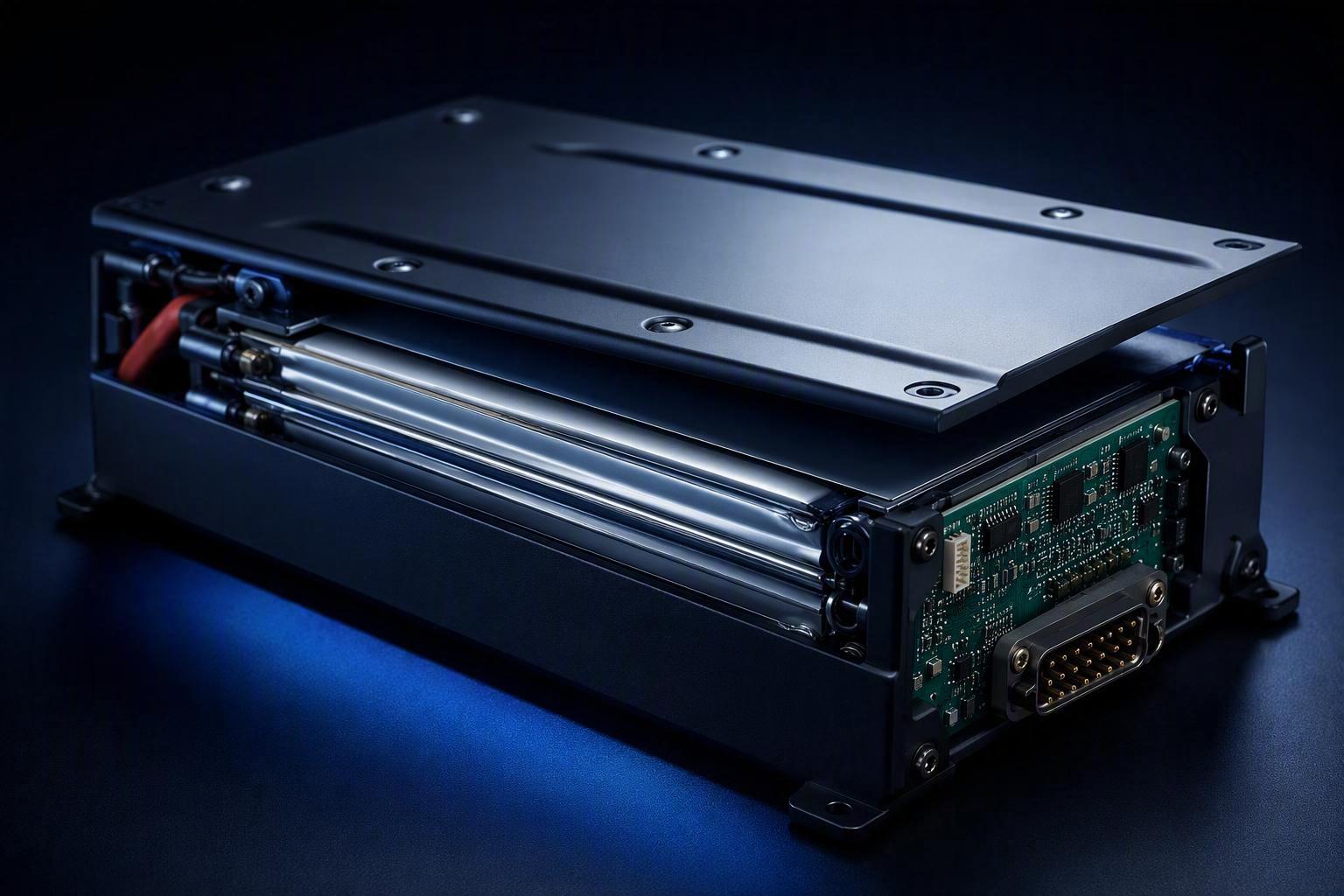
Thermal Management Architecture: Even with semi-solid chemistry, heat generated during high-current discharge must be dissipated. Soft-pack pouch configurations integrated into composite heat-dissipating shells prevent localized hot spots.
Custom Pack Integration: Off-the-shelf rectangular packs rarely optimize airframe bay dimensions. Custom pack assembly ensures structural rigidity, vibration isolation, and optimized volumetric efficiency.
Mission Profile Matching: Battery duty cycles must align with specific operational profiles, balancing charge acceptance speed with depth-of-discharge parameters.
Advanced BMS integration remains essential for monitoring and protecting high-density battery systems. For a deeper understanding of intelligent battery monitoring and fleet-level battery management, see our comprehensive solid-state drone battery guide.
How Battery Manufacturers Are Preparing for the Next Generation of UAV Platforms
As demand for high-density power accelerates, battery manufacturers are evolving from basic cell suppliers into full-stack power engineering partners. Supporting next-generation commercial drones requires:
Advanced Cell Formulations: Refining dual-electrolyte gel matrices, silicon-carbon anodes, and high-nickel cathodes to balance energy density with continuous C-rate output.
Custom Pack Engineering: Packaging cells into lightweight, impact-resistant enclosures tailored to specific airframe geometries.
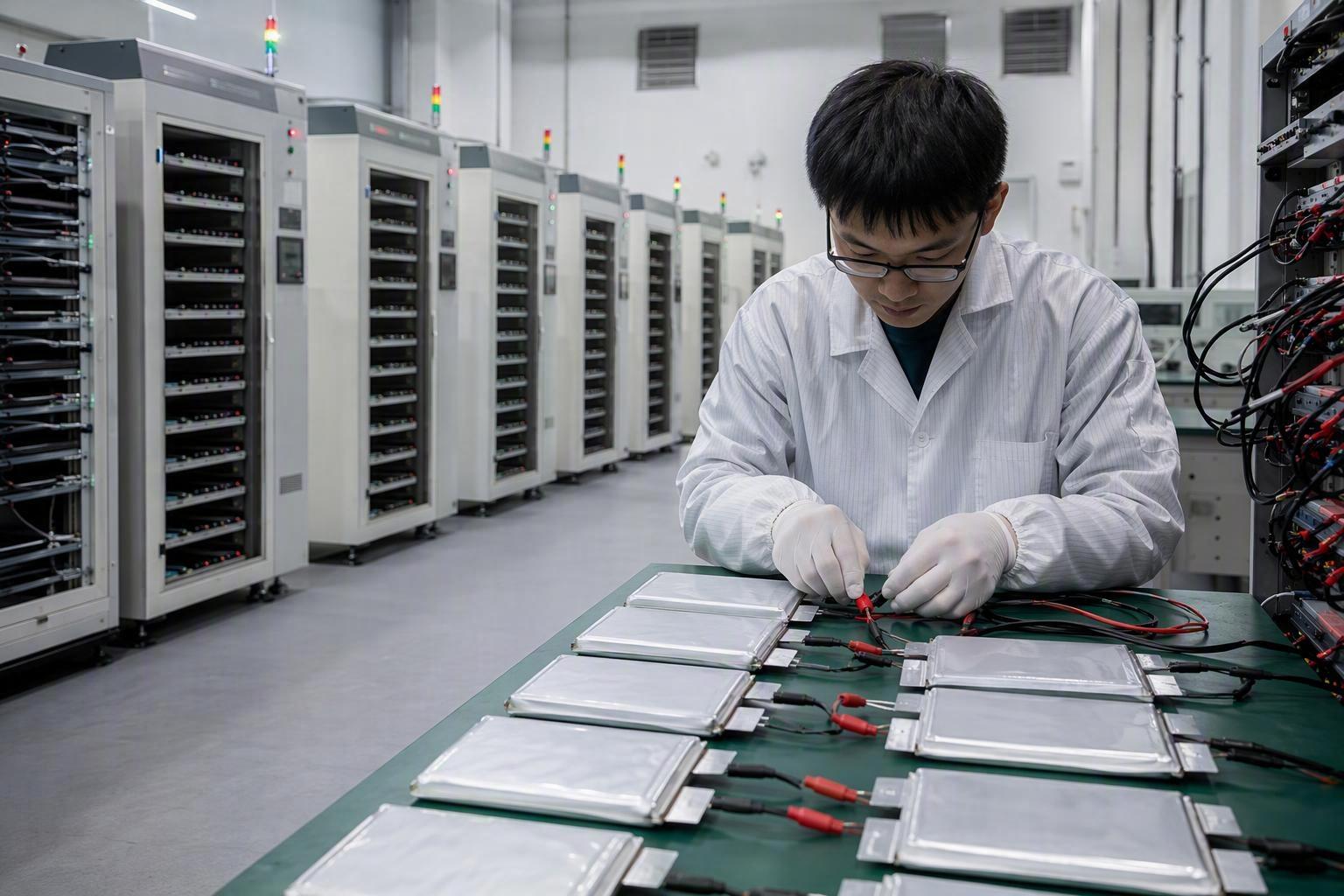
Battery System Validation: Subjecting custom packs to international safety certifications (such as UN38.3, CE, and UL) and rigorous environmental testing.
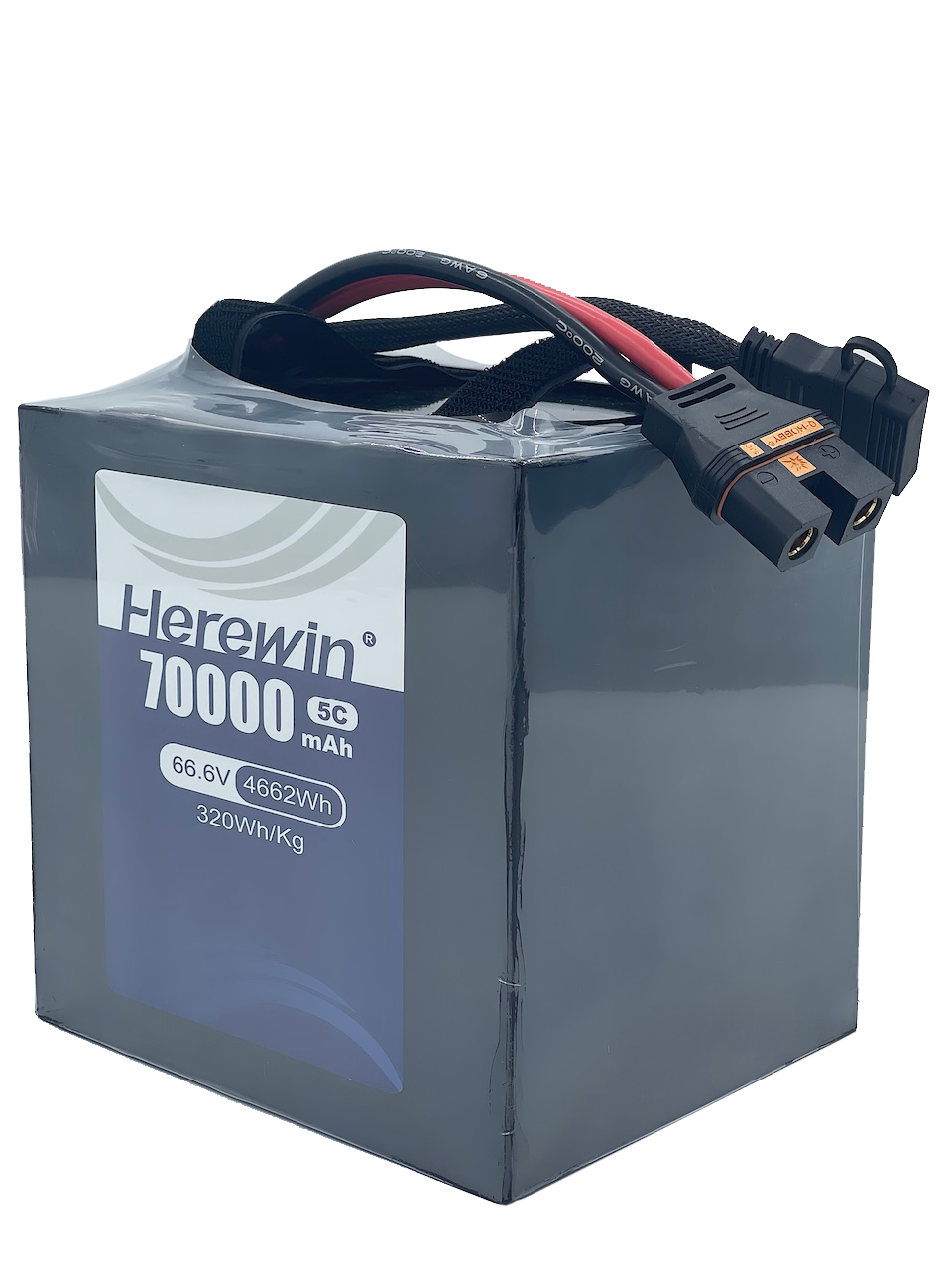
As a UAV battery engineering supplier, Herewin supports commercial drone OEMs with semi-solid cell integration, custom soft-pack design, and application-specific battery pack development. Experienced suppliers can deliver certified, customized UAV battery packs tailored to specific OEM airframe and mission requirements.
The Future of UAV Batteries: Higher Energy Density for New Mission Capabilities
The evolution of commercial UAV power is centered on pushing the boundaries of flight duration, payload capacity, and operational safety.
As semi-solid technology continues to mature toward higher continuous discharge rates and lower production costs, it will become an increasingly important power architecture for long-endurance, heavy-payload commercial flight. Commercial drone OEMs and fleet operators that align cell selection with custom pack integration can maximize operational range, payload efficiency, and daily productivity.
Preguntas frecuentes
What is a semi-solid UAV battery?
A semi-solid UAV battery is an advanced lithium-based power pack that replaces most of the free liquid electrolyte found in traditional LiPo cells with an ion-conductive gel-polymer or ceramic hybrid matrix. This architecture can achieve 300–350 Wh/kg class cell-level energy density depending on cell design and chemistry, while improving thermal stability and maintaining standard pouch-cell manufacturing techniques.
Is semi-solid battery technology ready for commercial UAV deployment?
Semi-solid batteries have progressed beyond laboratory research and are entering early commercial validation and limited deployment in selected high-performance UAV applications. Successful integration requires thorough application validation, custom pack engineering, and rigorous safety testing to match specific airframe power profiles.
Are semi-solid batteries better than LiPo batteries for drones?
Semi-solid batteries offer higher energy density, better thermal safety, and longer cycle life compared to traditional LiPo batteries. However, traditional LiPo cells still provide higher continuous peak discharge rates (C-rates) at lower initial acquisition costs. Semi-solid packs are superior for long-endurance and heavy-payload commercial missions, whereas standard LiPo cells remain common for high-burst or budget-sensitive applications.
Why are drone manufacturers interested in semi-solid batteries?
Drone manufacturers (OEMs) use semi-solid batteries to overcome the weight penalty of traditional liquid cells. The higher energy-to-weight ratio allows aircraft designers to extend flight range, increase sensor payload capacity, and meet legal Maximum Takeoff Weight (MTOW) requirements without redesigning the airframe.
What UAV applications benefit most from high energy density batteries?
Agricultural spraying drones, long-range VTOL mapping aircraft, heavy-lift cargo drones, and linear infrastructure inspection UAVs benefit most. In these applications, extended endurance and higher payload capacity directly improve daily operational efficiency and lower per-hectare or per-mile operating costs.
Are semi-solid batteries suitable for agricultural drones?
Yes. Agricultural spraying and seeding drones demand sustained power under high ambient temperatures. Semi-solid batteries provide higher energy density, enabling more hectares covered per charge with fewer field battery swaps and less cell swelling during rapid field charging cycles.
Does higher energy density always mean better drone performance?
Not necessarily. Energy density (Wh/kg) must be matched with an adequate discharge rate (C-rate), effective thermal management, and robust BMS integration. A high energy density cell that cannot sustain the continuous current required during hover or high-wind maneuvers will suffer from thermal stress and voltage sag. Real-world performance depends on total battery engineering, not cell-level energy density alone.

 Español
  English
  한국어
한국어  Deutsch
  Français
  日本語
日本語  Русский
  Bahasa Indonesia
  ไทย
ไทย  العربية
  Português do Brasil
  Italiano
  Nederlands