
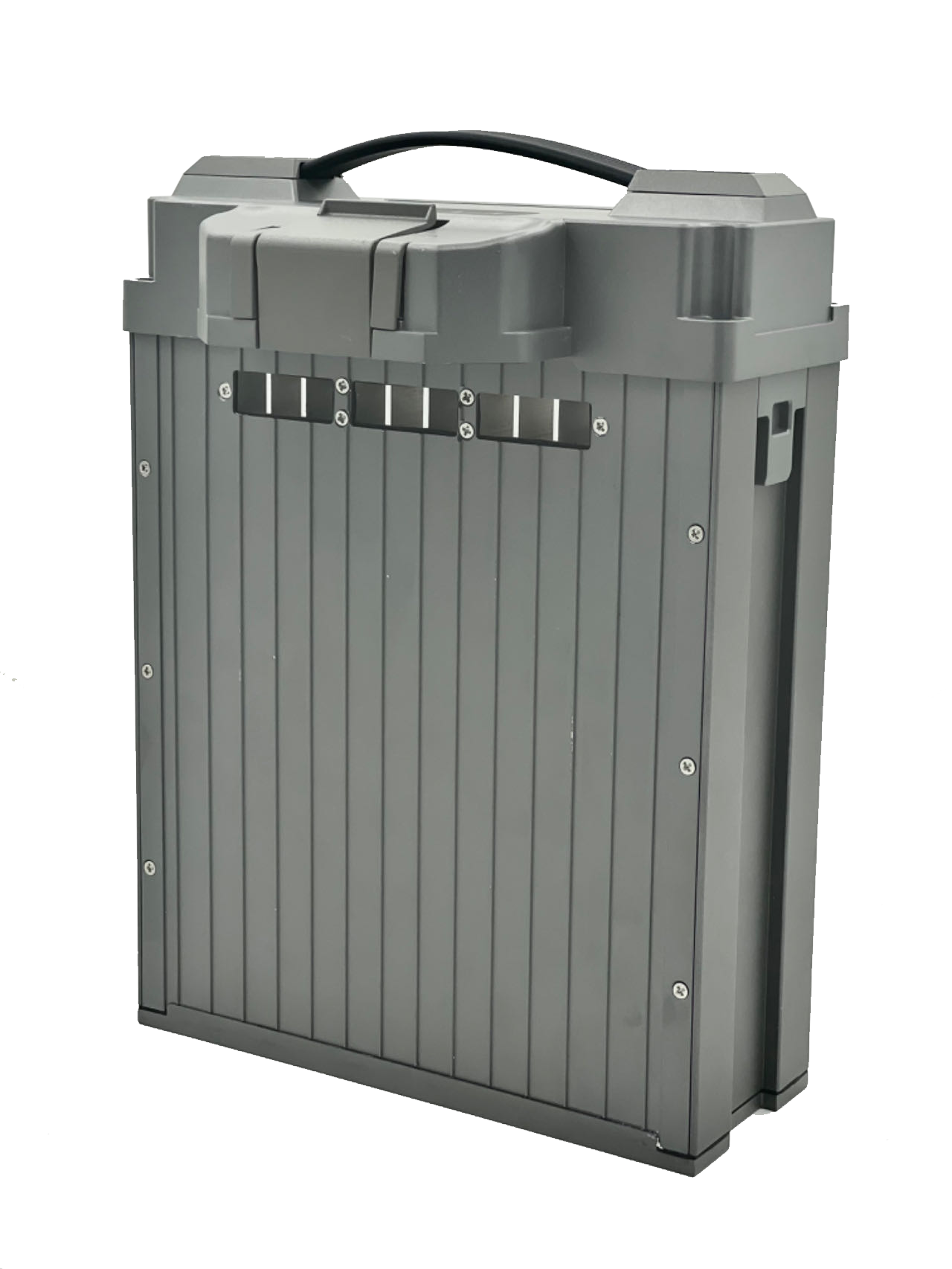
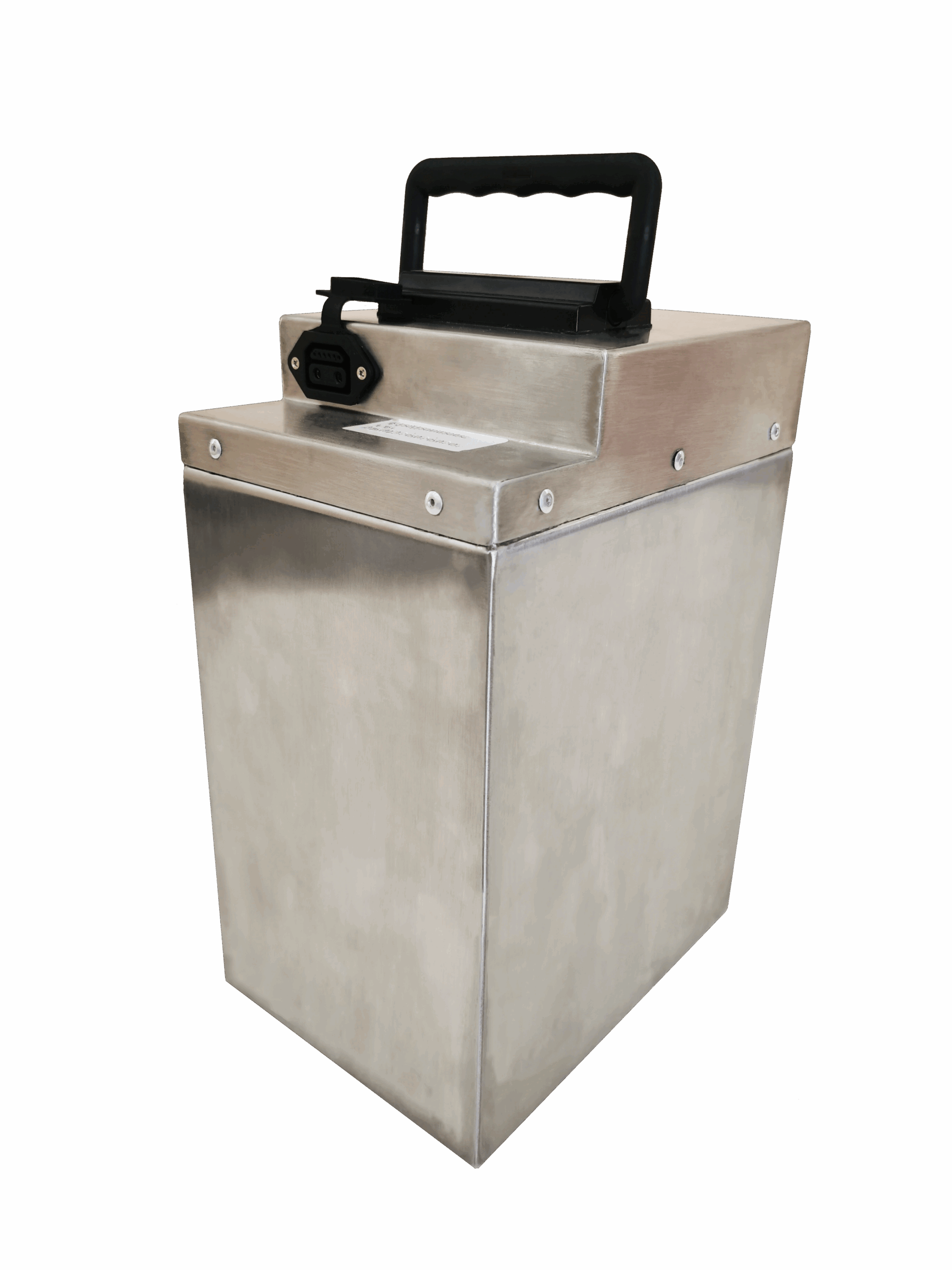


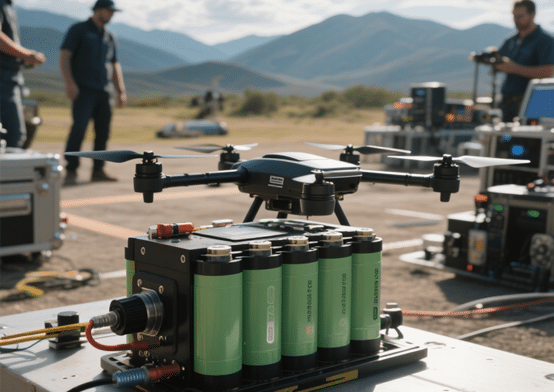
When it comes to unlocking a drone’s full potential, the battery is undoubtedly its most critical component—the very “lifeline” of the system. From a technical standpoint, battery health doesn’t just influence flight time or performance—it can be the deciding factor between mission success and failure, and between smooth operation and serious safety risks.
In this post, we’ll take a closer look at why timely battery replacement is so crucial for drone operations. We’ll also explore how Herewin is redefining drone power systems by developing cutting-edge batteries that serve as the “ultra-strong heart” of next-generation UAVs.
Battery Performance: The Hidden Force Behind Every Drone Operation
Energy density
In a drone’s power system, battery performance affects virtually every aspect of flight. Even minor changes in battery parameters can trigger chain reactions across the entire system.
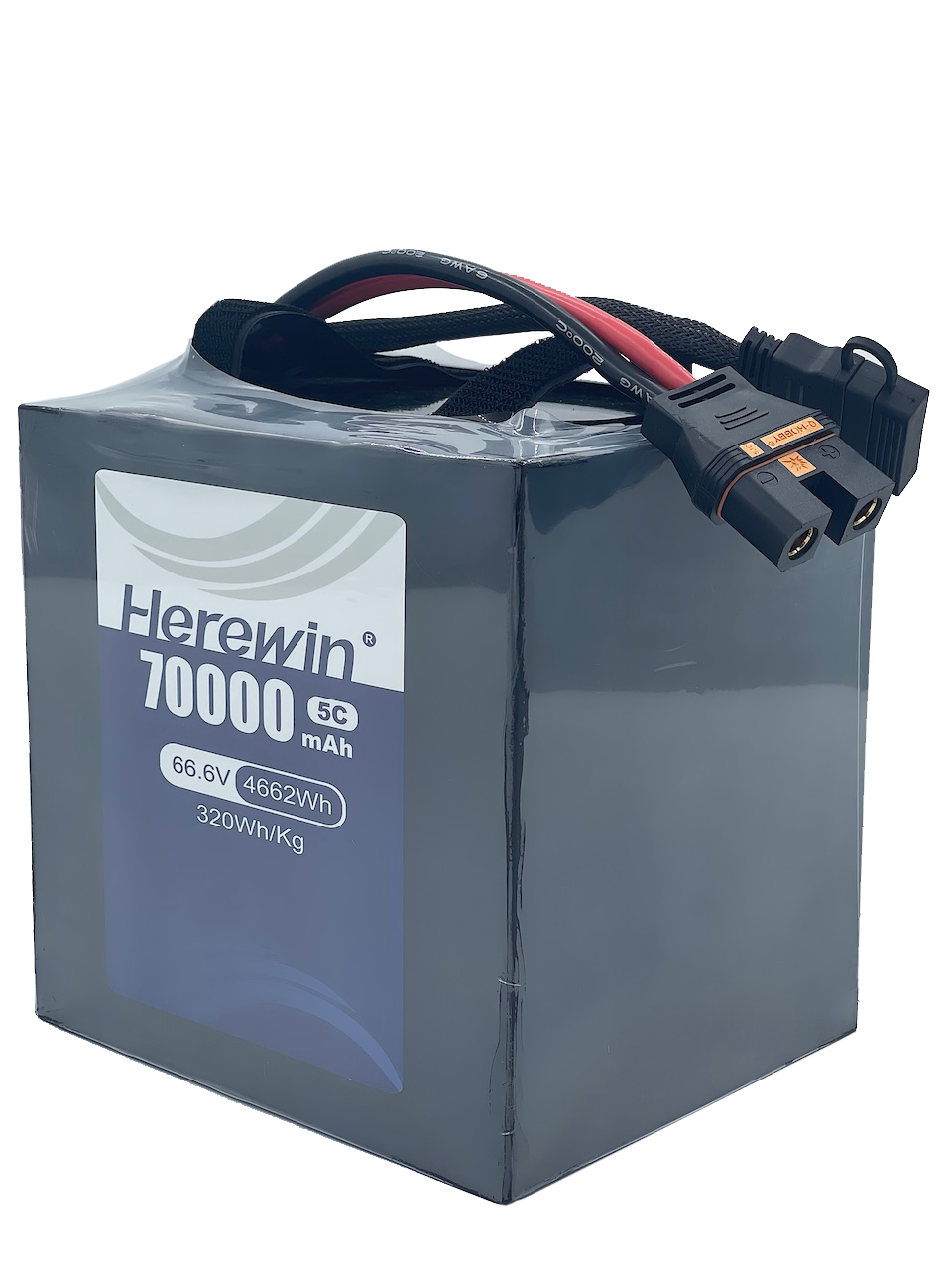
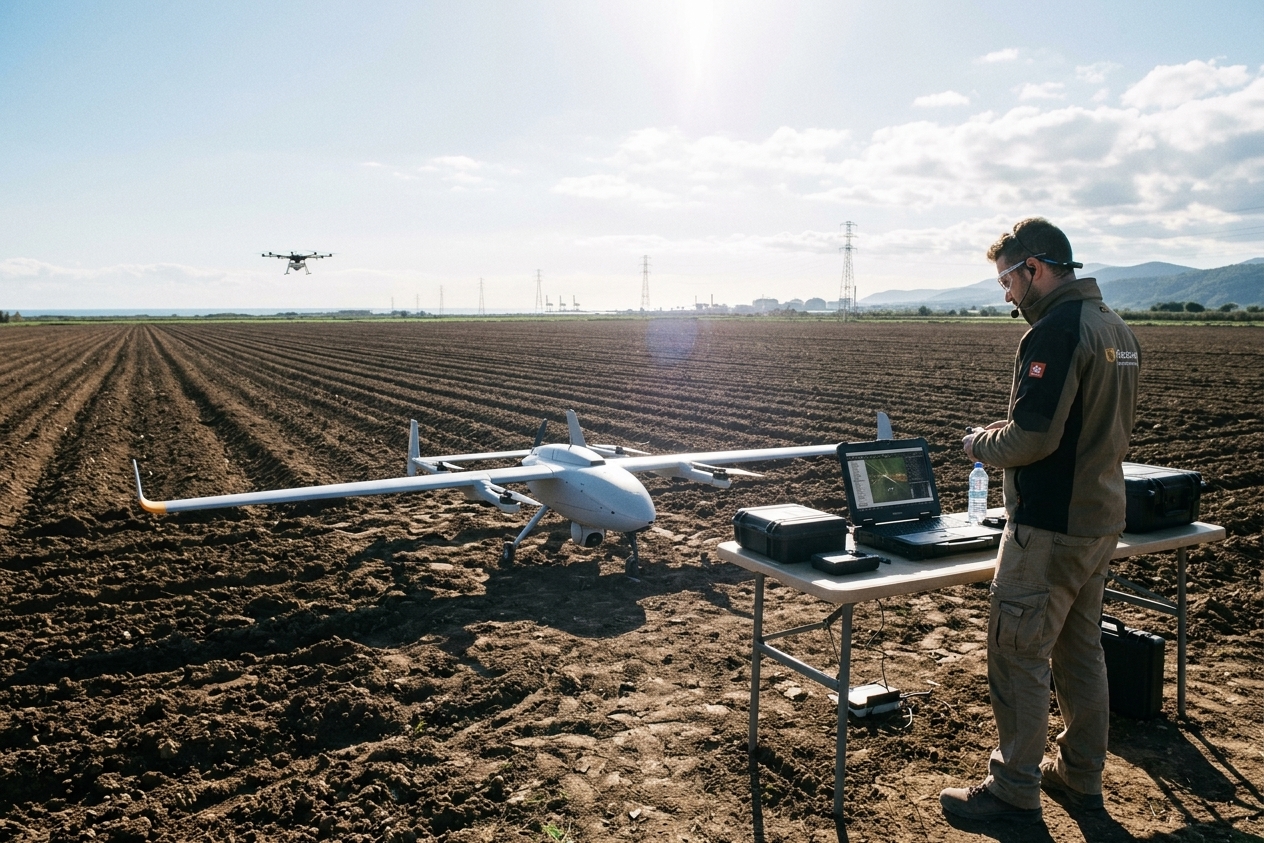
Energy density, typically measured in watt-hours per kilogram (Wh/kg), directly determines a drone’s flight endurance. A battery with low energy density is like a small fuel tank—flight time is cut short, and operators are left battling constant “range anxiety.” For example, in agricultural spraying missions, insufficient battery capacity forces the drone to return for recharging frequently. This not only reduces operational efficiency but also drives up labor and logistics costs.
C-rate
Another critical factor is the C-rate—the charge/discharge rate—which influences how quickly a drone can respond to commands. Low C-rate batteries often fail to supply adequate power during high-performance maneuvers like rapid ascent, sharp turns, or sudden hovering. In aerial cinematography, this can lead to unstable footage or blurred images. For mapping drones, it compromises flight path accuracy, introducing errors into the data.
State of Health
Perhaps most importantly, the State of Health (SOH) of a battery is a key safety indicator that should never be overlooked. When SOH drops below 80%, internal resistance rises significantly, leading to reduced flight time. Worse, fluctuating voltage output can interfere with the drone’s flight control system, resulting in instability, navigation errors, or even total loss of control—putting both the drone and its mission at risk.
Warning Signs Your Drone Battery Is Ready for Retirement
Batteries don’t last forever—and ignoring the warning signs can lead to mission failure, equipment damage, or even safety hazards. Here are four critical indicators that it’s time to retire your drone battery:
Sudden Drop in Flight Time: A Clear Sign of Capacity Fade
If your drone’s full-charge flight time has dropped by more than 20% compared to when the battery was new, it’s a red flag. For example, if a consumer drone originally had a 30-minute flight time and now barely reaches 24 minutes, the lithium ions inside the battery have significantly declined, and the electrodes’ efficiency has degraded.
Continuing to fly with such a battery not only reduces your ability to complete missions but also risks triggering emergency return-to-home functions—or worse, total power loss in remote areas. Persistently flying with an underperforming battery can accelerate aging, creating a vicious cycle of degradation.
Frequent Charging Issues: Internal Damage at Play
Charging time that suddenly doubles, batteries that won’t fully charge, or abnormally fast charging followed by rapid discharge all point to irreversible internal changes. For instance, if a battery that once charged fully in one hour now takes two, it could indicate the formation of a passivation layer on the electrode surface, blocking lithium-ion flow.
On the flip side, if the battery charges unusually fast but drains even faster, a micro short circuit may be occurring inside—preventing energy from being stored efficiently. These symptoms aren’t just inconvenient; they can lead to overheating and, in extreme cases, thermal runaway, which poses serious fire and explosion risks.
Visible Swelling or Damage: Physical Deformation Is a Red Alert
If you notice swelling, a bulging casing, or even minor cracks around battery seams, stop using the battery immediately—regardless of how small the defect appears. Physical deformation is usually caused by internal gas buildup or heat from short circuits.
Swelling may indicate gas formation from electrolyte breakdown or structural collapse of internal materials. Deformed casings can result from overcharging, deep discharges, or external pressure. Continuing to use such batteries is like flying with a ticking time bomb—internal short circuits can rapidly ignite the electrolyte, leading to smoke, fire, or explosions, endangering both people and equipment.
Approaching End-of-Life Cycle Count: The Silent Performance Killer
Once a battery surpasses around 500 charge-discharge cycles, its internal materials begin to wear out due to repeated lithium-ion transfer. This leads to electrode particle detachment, electrolyte loss, and other aging effects. Even if endurance seems acceptable, the battery is entering a phase of accelerated performance decline.
For example, an industrial-grade drone might lose only 5% of its endurance after 500 cycles, but during a high-altitude mapping mission, a sudden voltage drop could destabilize the flight control system, compromising the entire data set. Replacing batteries that have reached their cycle limit is a proactive step to avoid unexpected failures and ensure mission success.
Herewin Batteries: Redefining Industry Standards with Advanced Technology
With years of technical expertise and continuous R&D innovation, Herewin stands at the forefront of drone battery technology. Backed by four key advantages, Herewin delivers top-tier performance that empowers drones to do more—with greater reliability and efficiency.
Ultra-High Energy Density: Extended Flight, Unmatched Range
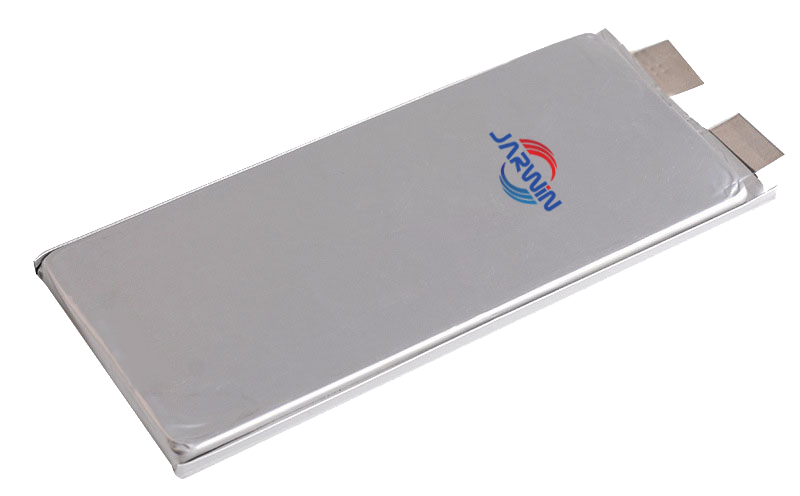
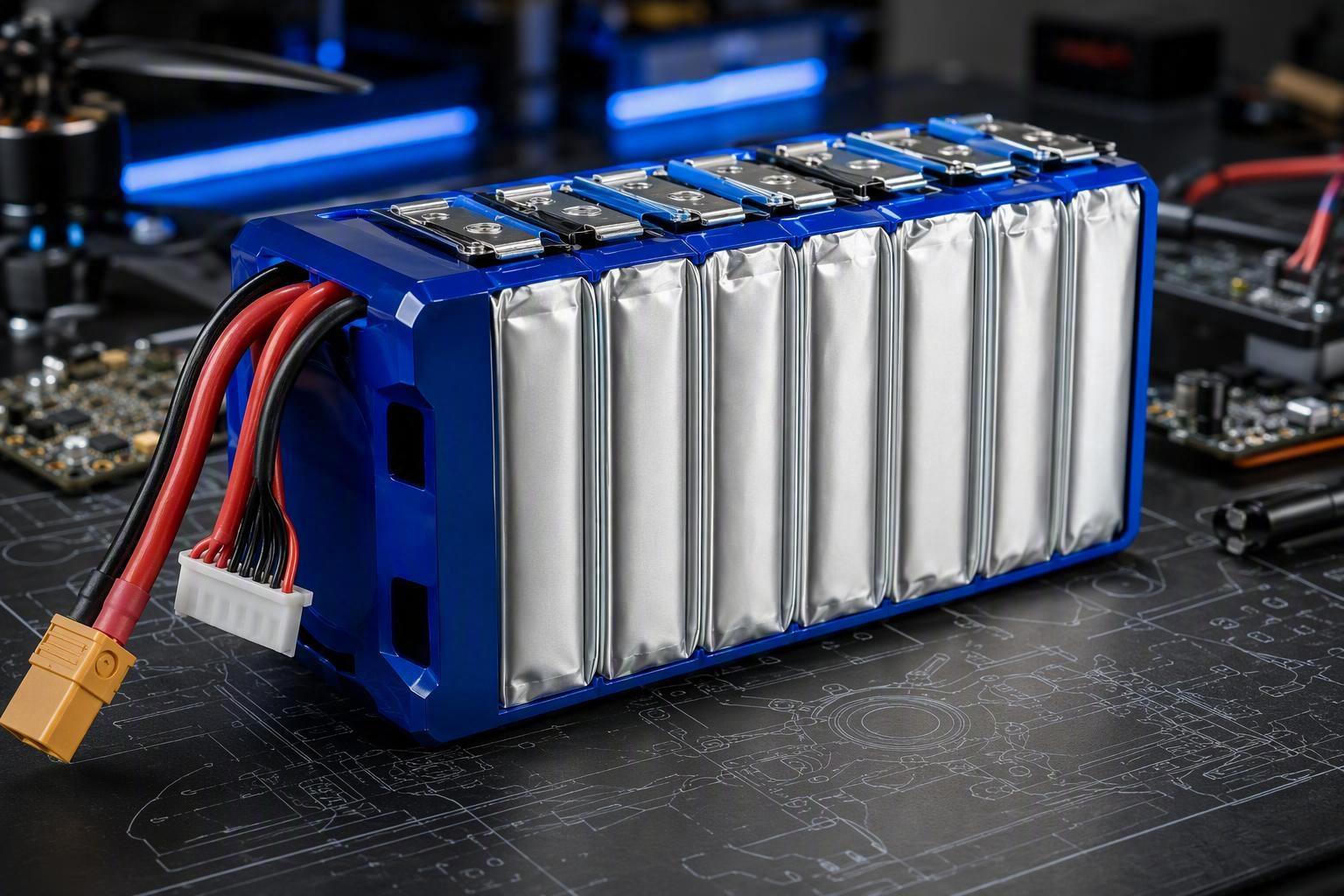
Herewin batteries utilize a cutting-edge ternary lithium chemistry, enhanced by semi-solid-state technology, achieving an energy density of up to 340 Wh/kg—a more than 30% improvement over conventional lithium batteries.
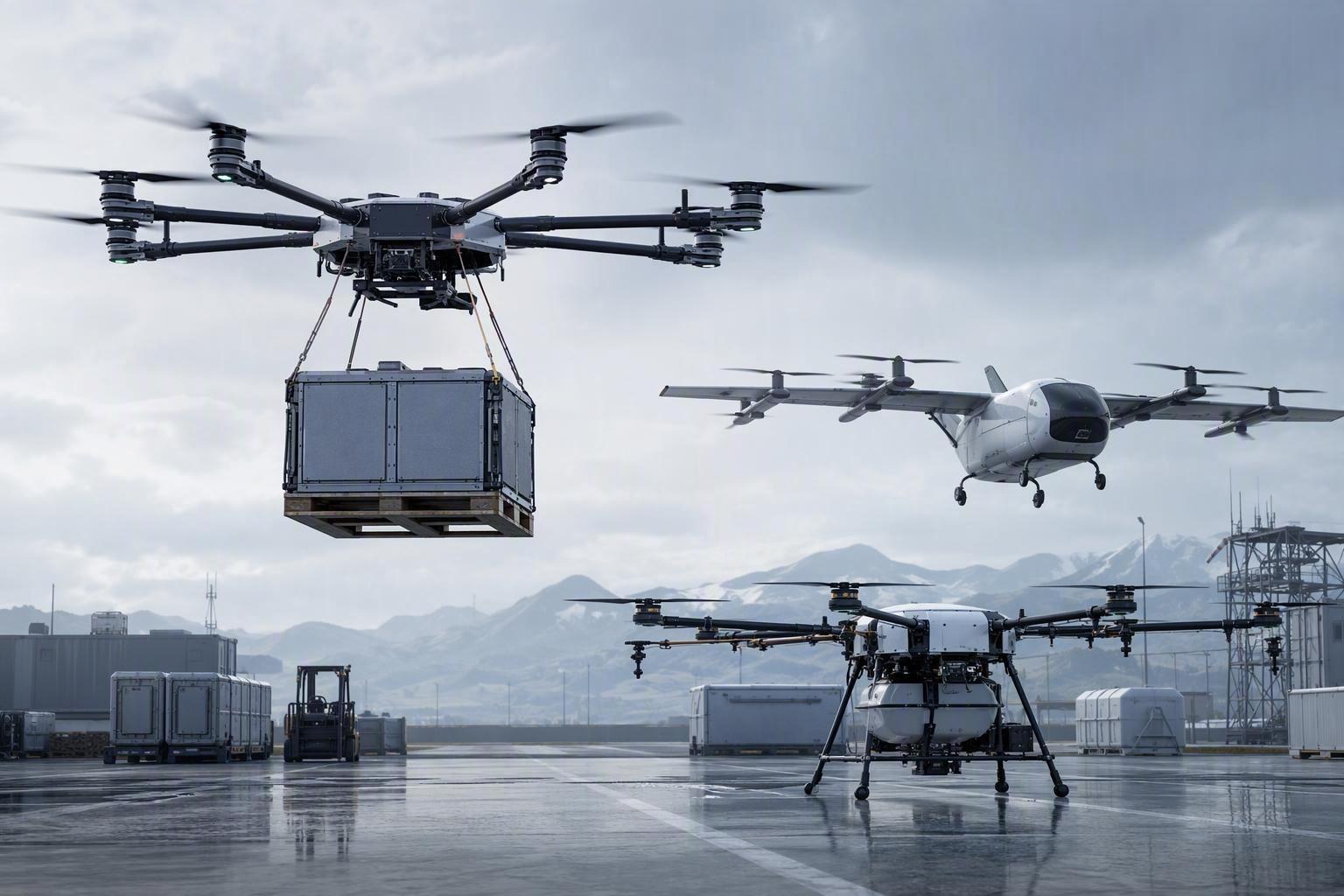
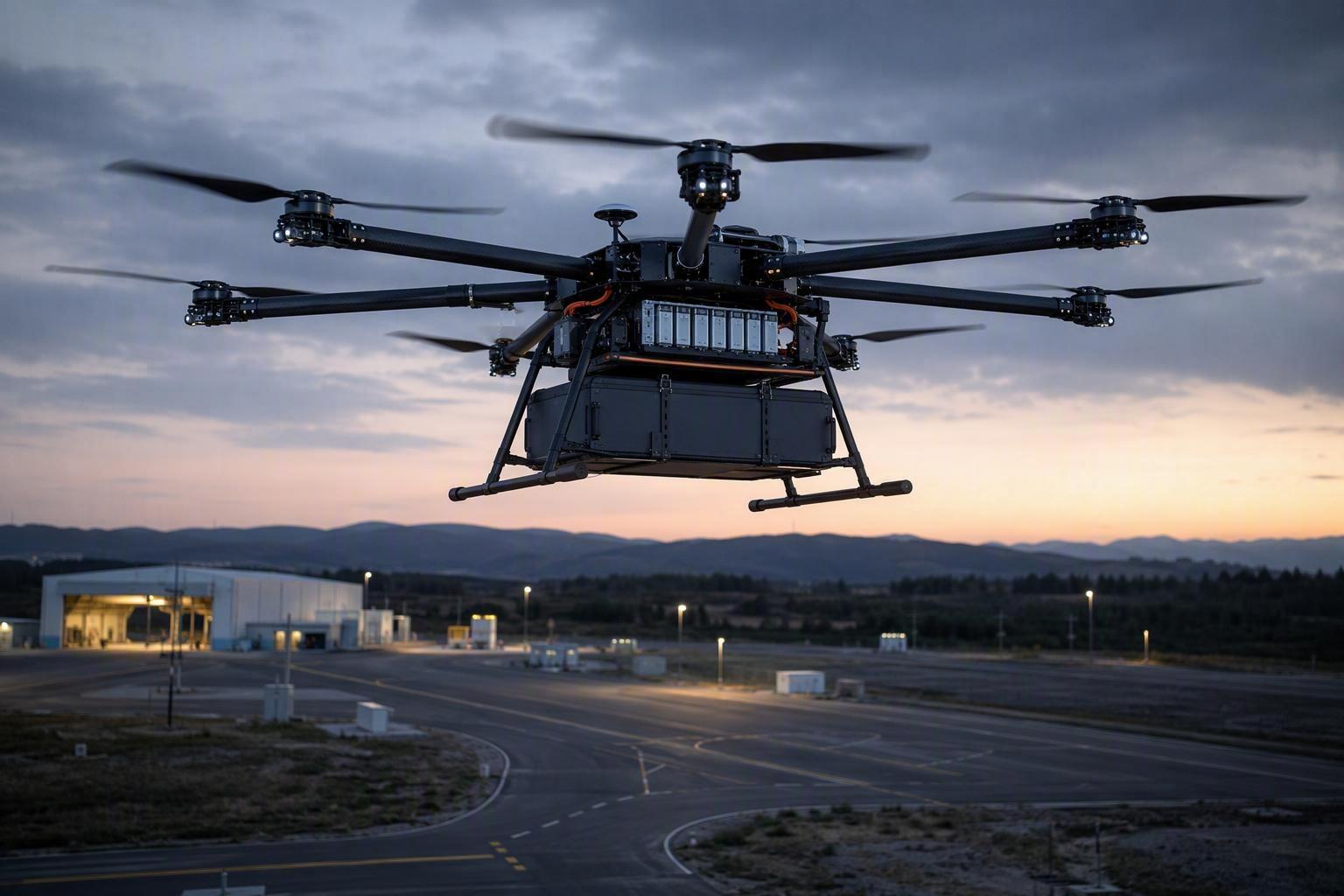
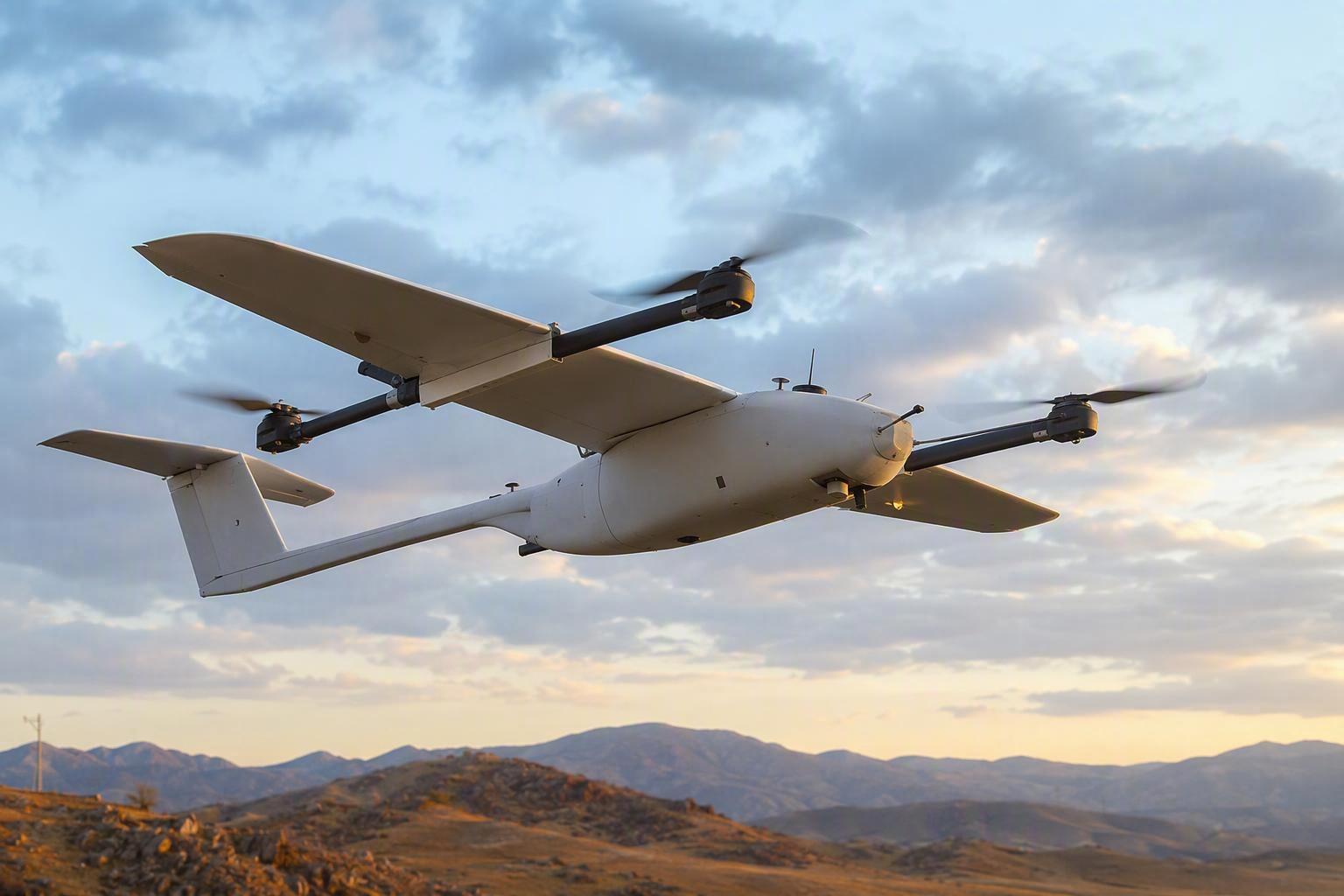
Whether it’s long-range power line inspections, wide-area geological surveys, or extended-range logistics missions, Herewin batteries ensure fewer return trips and significantly longer flight times—empowering your drone to go the distance.
Intelligent BMS for Full-Coverage Safety
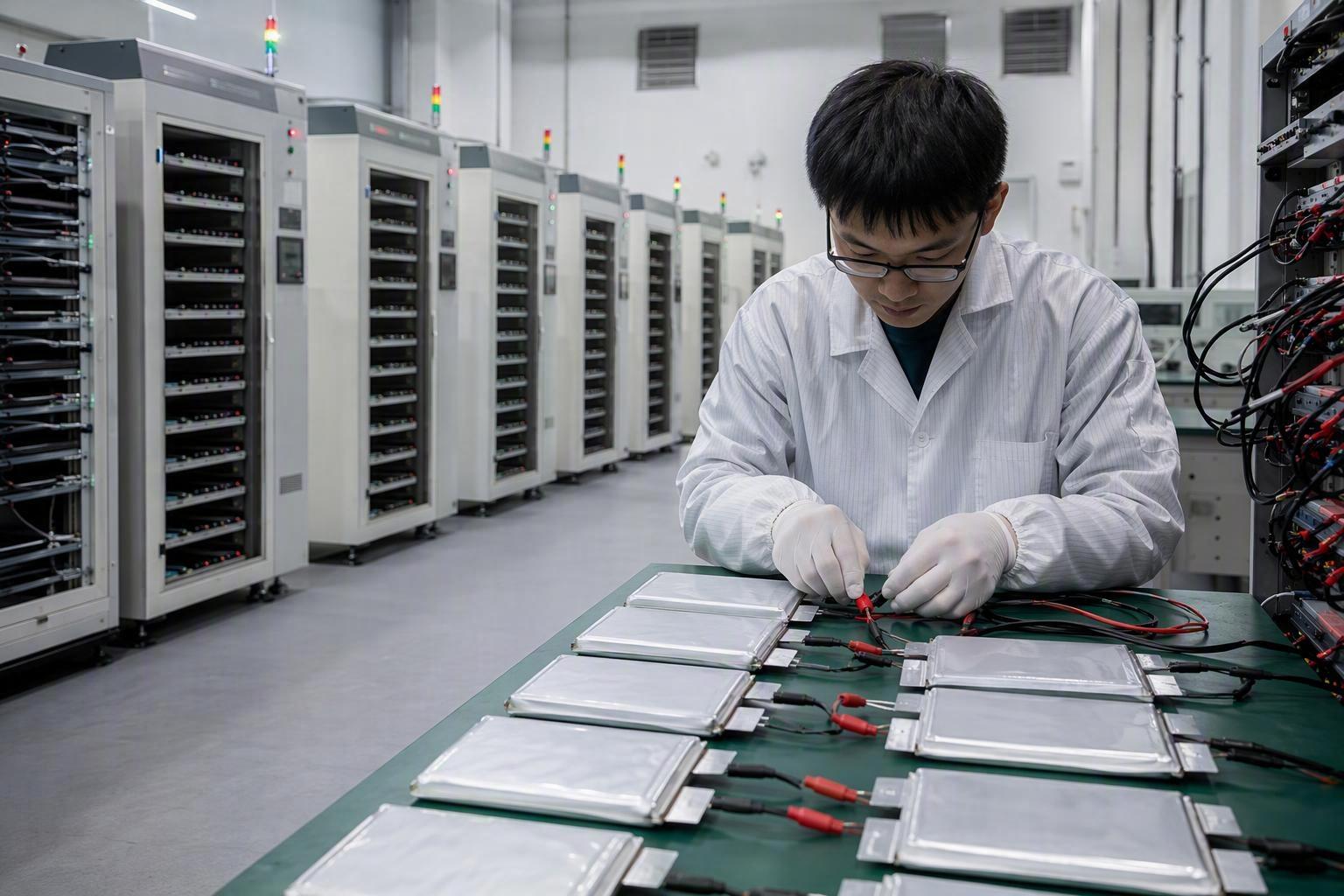
Every Herewin battery is equipped with a smart Battery Management System (BMS)—think of it as a 24/7 “battery doctor.” It continuously monitors real-time metrics such as voltage, temperature, and charge/discharge current. On top of that, it offers robust protections including overcharge, over-discharge, short-circuit, and over-temperature safeguards.
Should any anomaly occur, the system immediately activates protective measures—eliminating potential safety risks and ensuring peace of mind during every flight.
5C Ultra-Fast Charging: Game-Changing Efficiency
With 5C fast charging support, Herewin batteries can be charged from 0 to 80% in just 30 minutes. This breakthrough is a game-changer for high-frequency drone operations.
In time-critical scenarios like emergency rescue missions, drones powered by Herewin can quickly recharge and return to the sky—delivering supplies or conducting reconnaissance when every second counts.
Rigorously Tested, Built for All Conditions
Each Herewin battery undergoes a strict quality control process and meets international standards including UN38.3 and ISO 9001 certifications. Designed to perform in extreme environments—from -20°C arctic terrain to 60°C desert heat, or high-humidity coastal zones—Herewin batteries are ready for any challenge.
Whether you’re a cinematic drone pilot chasing the perfect shot, a surveyor demanding precision, or a logistics operator racing against time—Herewin delivers the powerful, dependable energy source your drone needs to succeed.
 Español
  English
  한국어
한국어  Deutsch
  Français
  日本語
日本語  Русский
  Bahasa Indonesia
  ไทย
ไทย  العربية
  Português do Brasil
  Italiano
  Nederlands