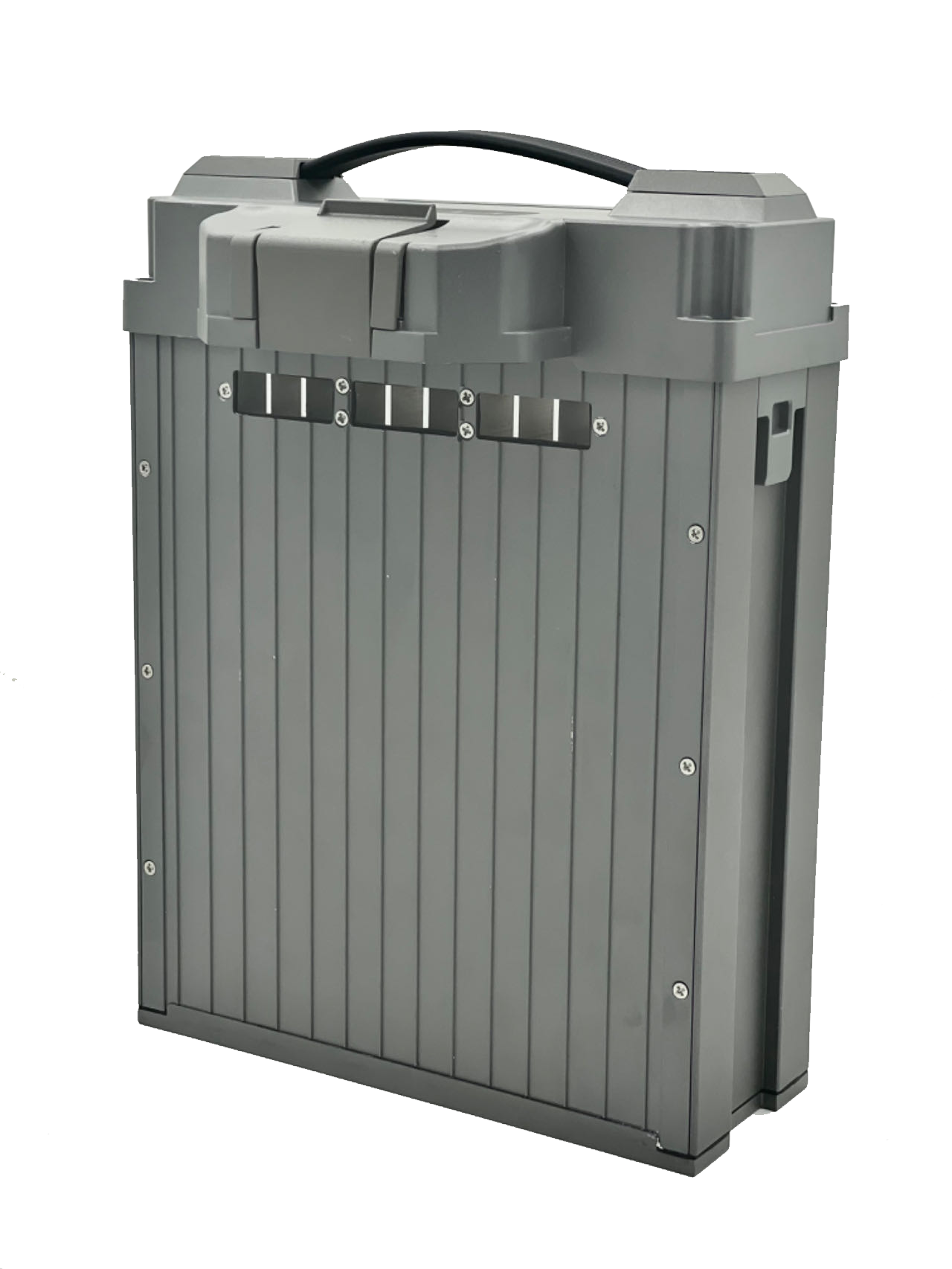
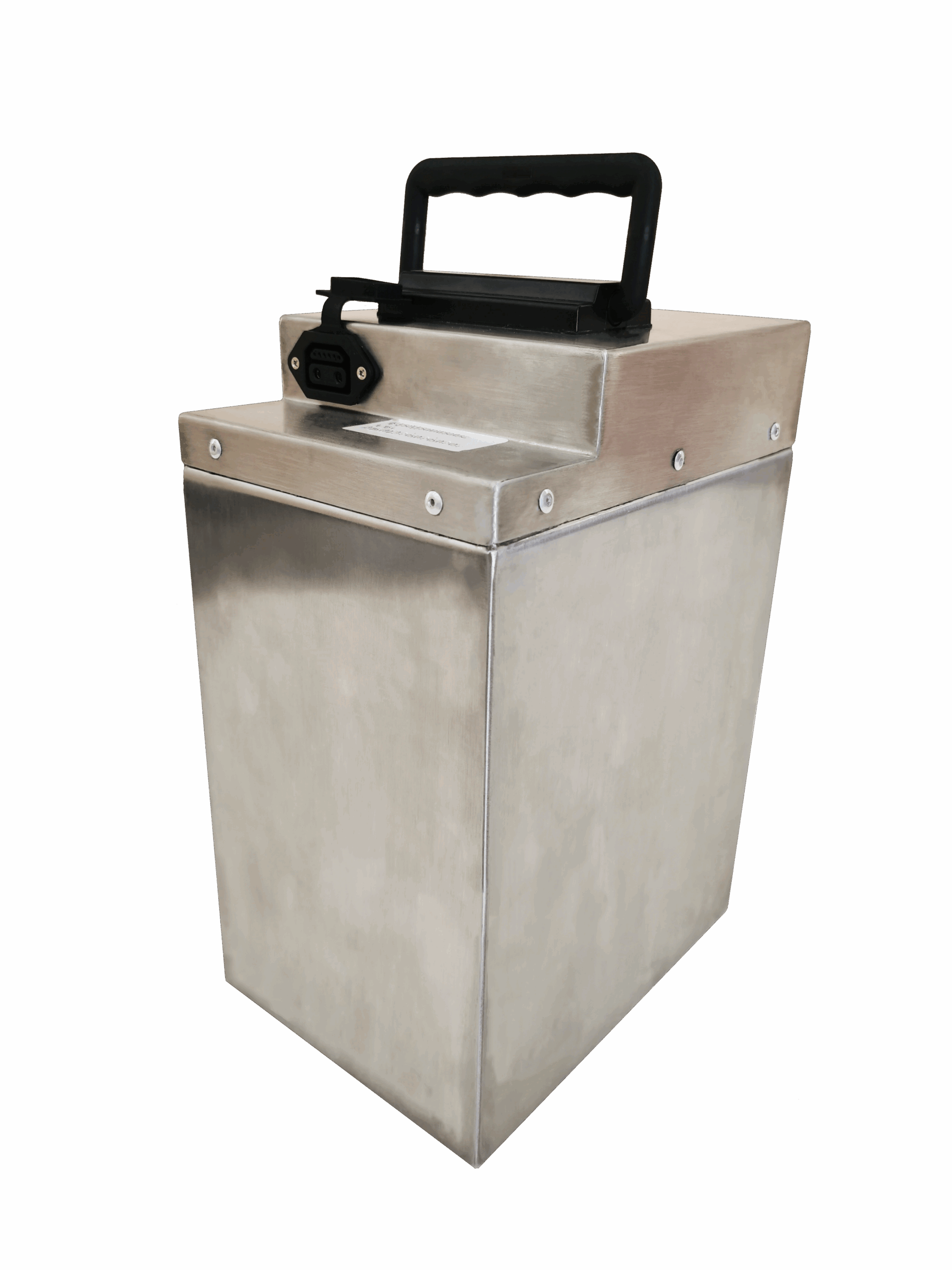
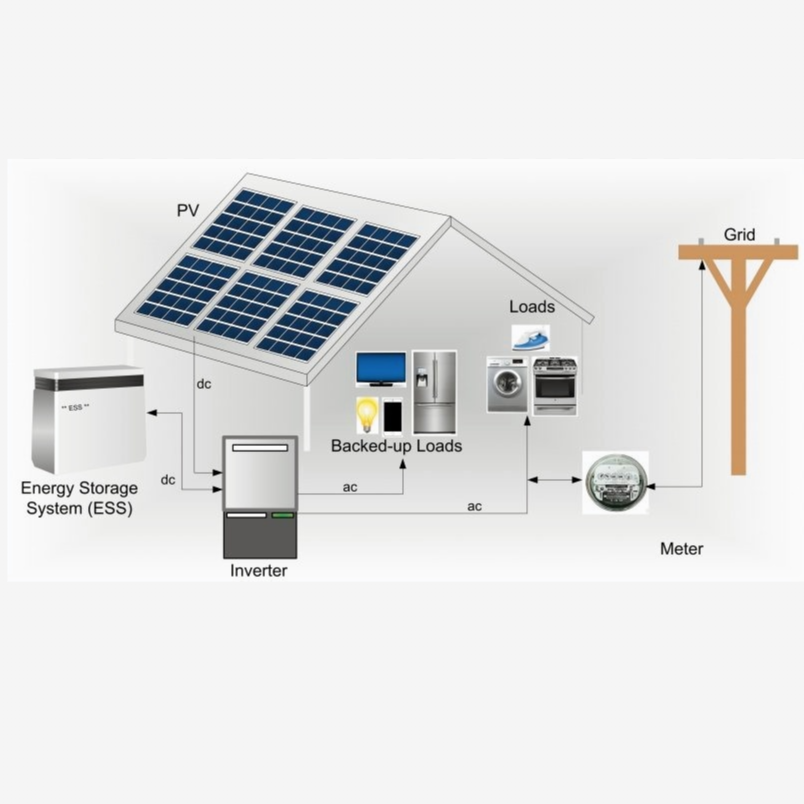
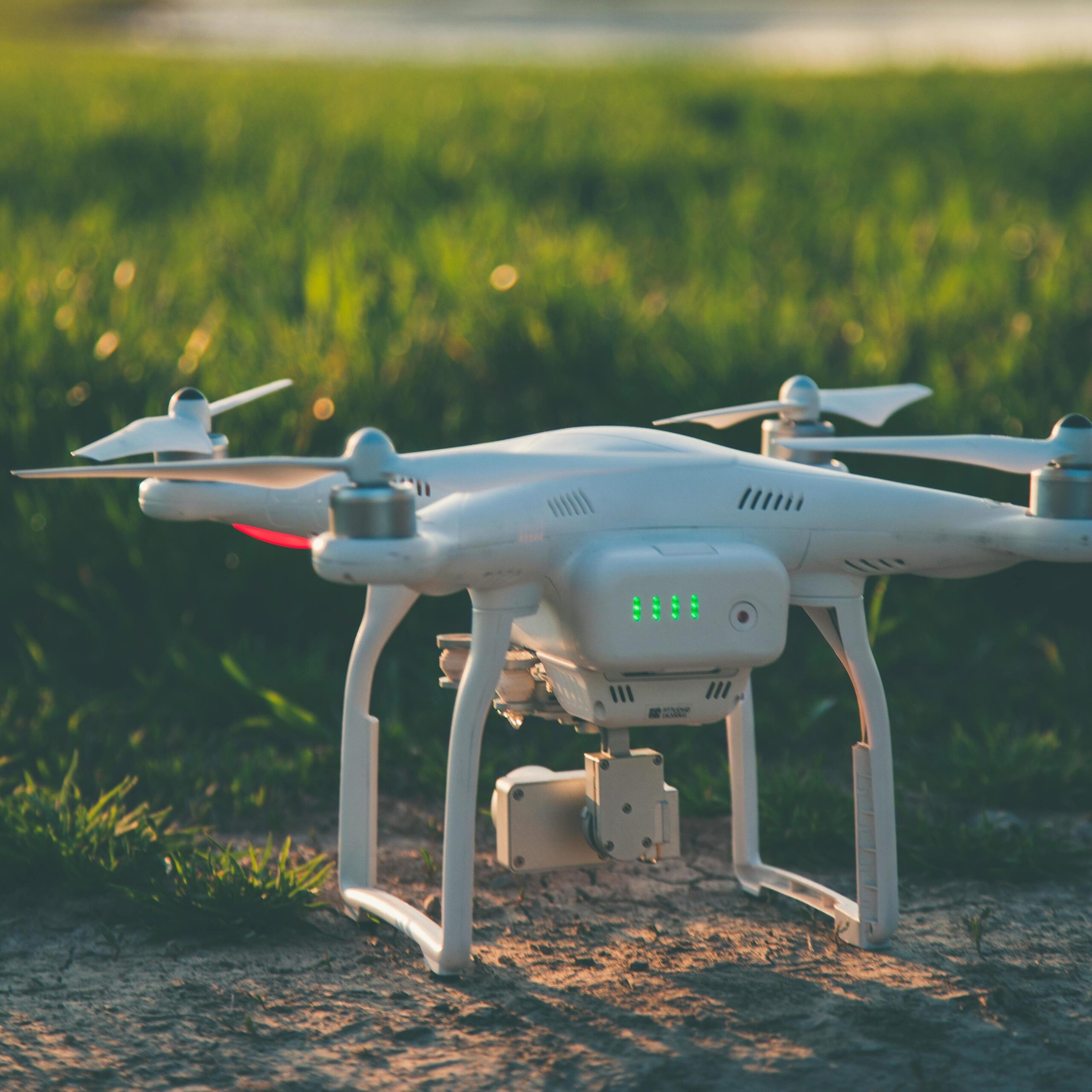



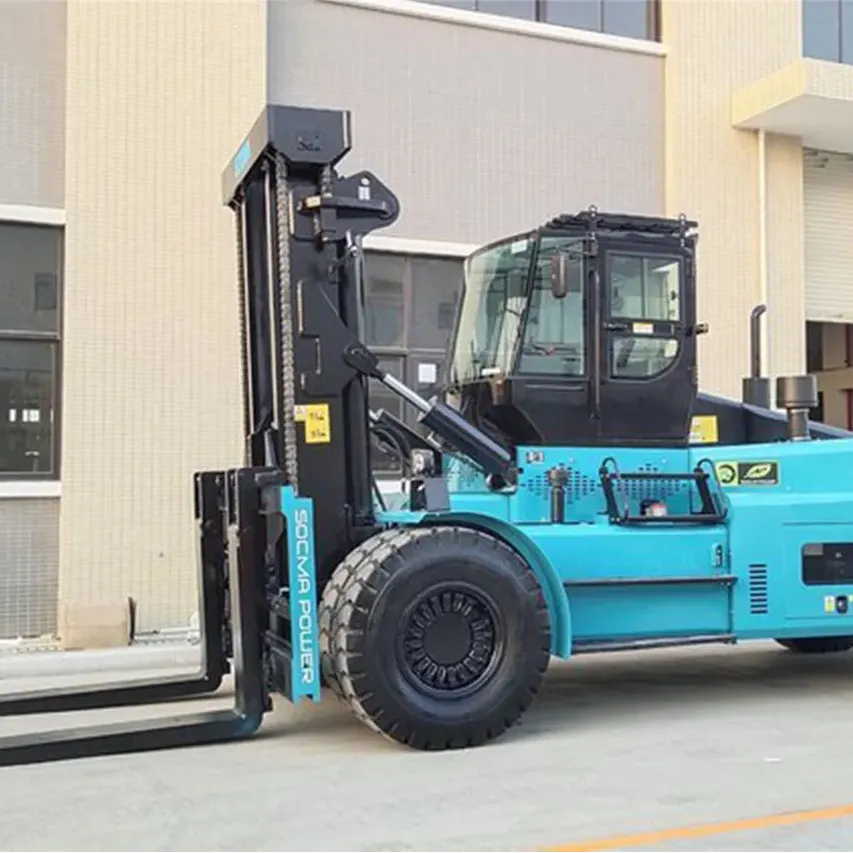
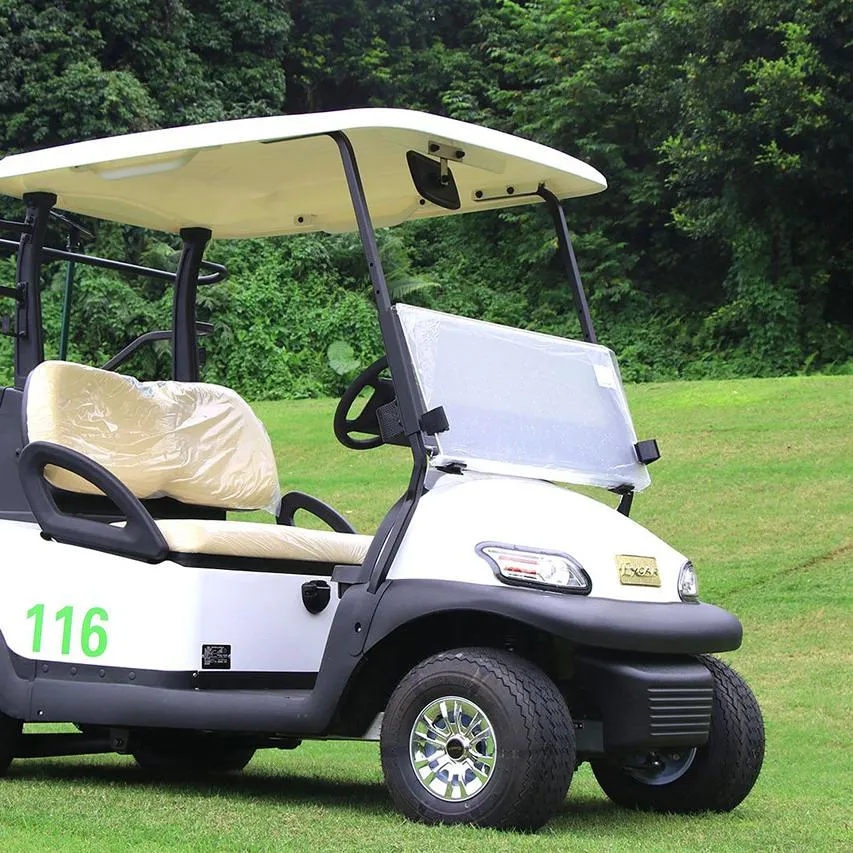

High energy density industrial drone batteries play a crucial role in enhancing flight endurance for industrial drones. They address significant challenges associated with conventional battery technologies. For instance, limitations in battery performance can restrict flight time, payload capacity, and mission capability. By utilizing advanced industrial drone battery solutions, you can achieve extended flight time, allowing your drones to complete more tasks efficiently. This improvement not only enhances operational capabilities but also minimizes total cost of ownership, making your drone operations more cost-effective and sustainable.
Principales conclusiones
High energy density UAV batteries enhance flight endurance, allowing drones to complete more tasks efficiently.
Understanding the C-rate of batteries is crucial for selecting high-performance options that meet operational demands.
Regular maintenance, including voltage monitoring and physical inspections, is essential for maximizing battery lifespan and performance.
Investing in advanced battery technology can significantly reduce total cost of ownership (TCO) and operational expenditures (OPEX).
Innovations like nano silicon-carbon technology improve battery efficiency, leading to longer flight times and better payload capacity.
Technical Standards and Certification
In the rapidly evolving field of drone technology, adhering to technical standards and certifications is essential for ensuring the reliability and safety of your industrial drone battery. These standards guide manufacturers in developing high-performance batteries that meet the demands of various applications.
Performance Thresholds: C-Rate & Power Stability
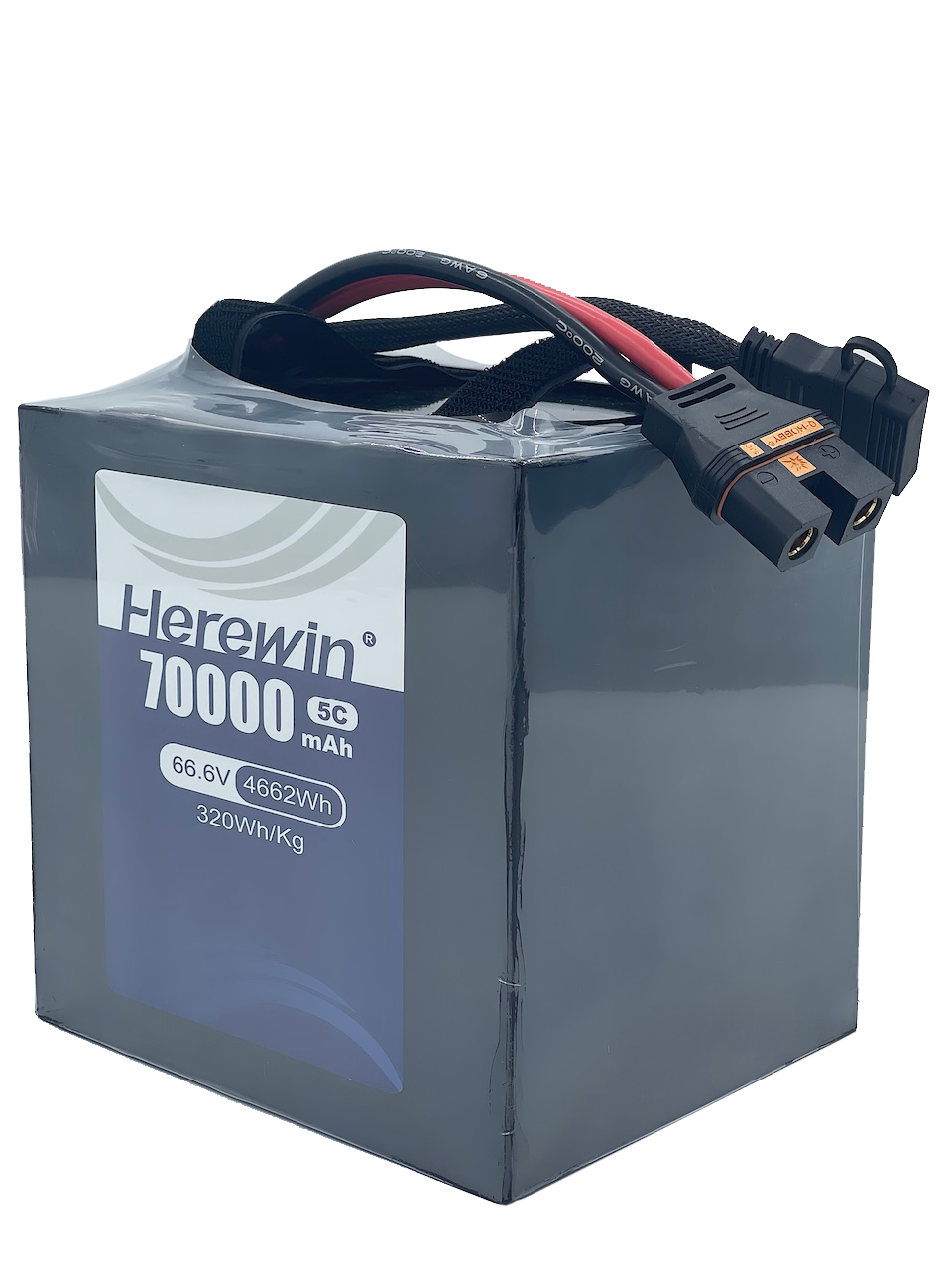
When selecting an industrial drone battery, understanding the C-rate is crucial. The discharge rate determines the lithium battery’s ability to release energy per unit of time. The Continuous C-rating determines the stability of the power output during normal flight. For high-payload industrial applications, such as agricultural plant protection drones, a discharge rate of 30C or higher is required. The calculation formula for the Maximum Discharge Current is Capacity × C-Rating , which must be greater than 1.2 times the drone’s maximum operating current. High energy density (Wh/kg) is also a key metric, as it reflects the amount of energy the battery can store per unit of weight, providing longer endurance at the same weight.
Procurement Validation: Load & Endurance Testing
Before you invest in a battery, professional procurement requires thorough acceptance testing.
Load Discharge Test: Attach external equipment (e.g., a camera) to simulate actual flight scenarios and observe for “sudden power drops” (e.g., charge suddenly jumping from 30% to 10%). Sudden drops are a typical sign of poor cell consistency, which can easily lead to flight accidents.
No-Load Endurance Test: Record the actual flight time, deducting a 20% safety margin from the manufacturer’s stated endurance. If the gap exceeds 30%, it indicates capacity misrepresentation or severe cell degradation.
Visual Inspection (Asset Acceptance): Perform a “visual inspection” upon receiving the battery. If there is slight swelling or deformation when gently squeezing the casing, reject it immediately. Inspect the electrode contacts; oxidation, blackening, or corrosion suggest the battery may have been subjected to long-term over-discharge or electrolyte leakage. Check the production date; the optimal service life is within 1 year of the production date, and batteries older than 2 years may have lost 10% or more of their capacity, even if new.
Reliability: Certification & Wide-Temperature
Reliability is paramount in drone operations, requiring adherence to both international certifications and environmental adaptability.
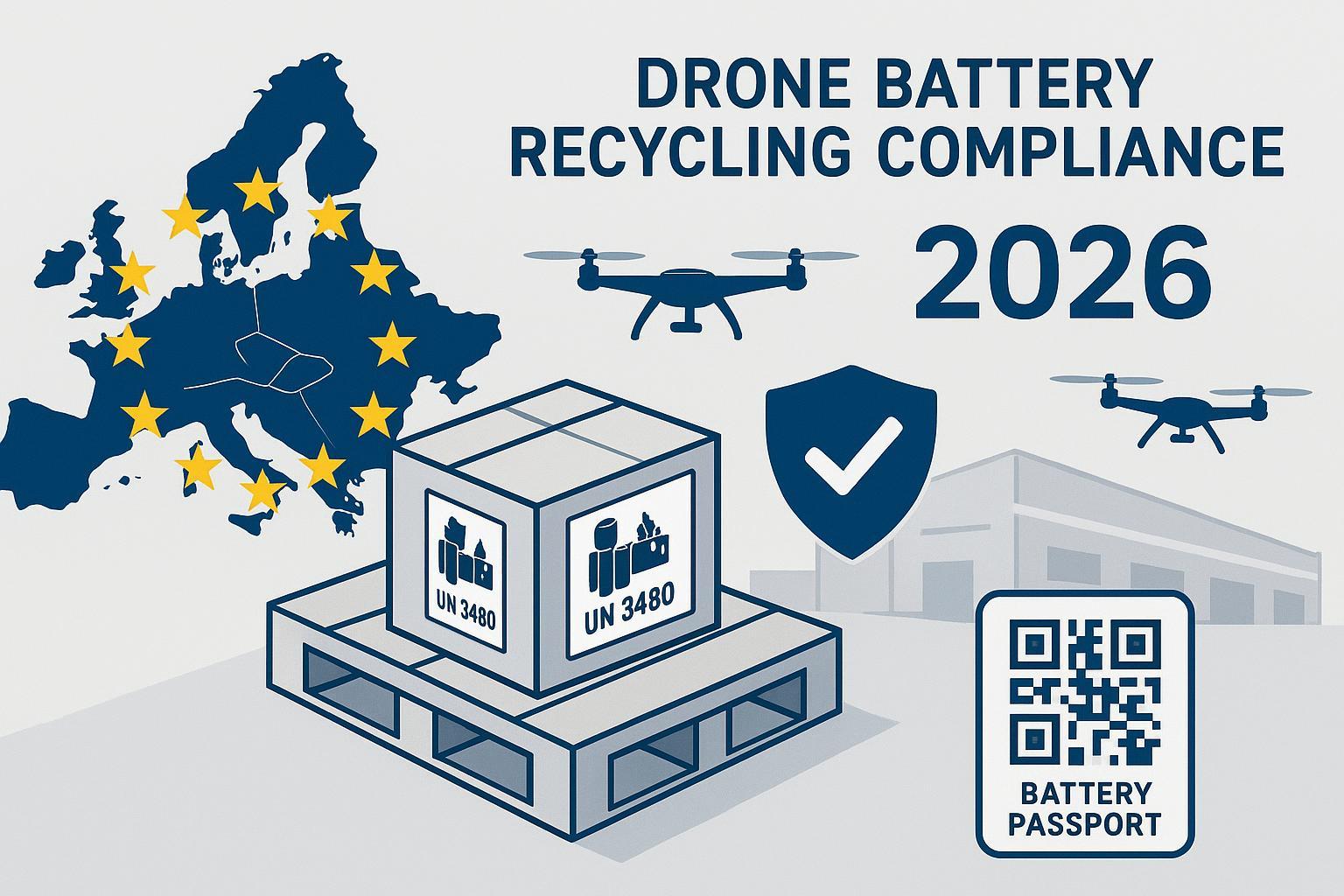
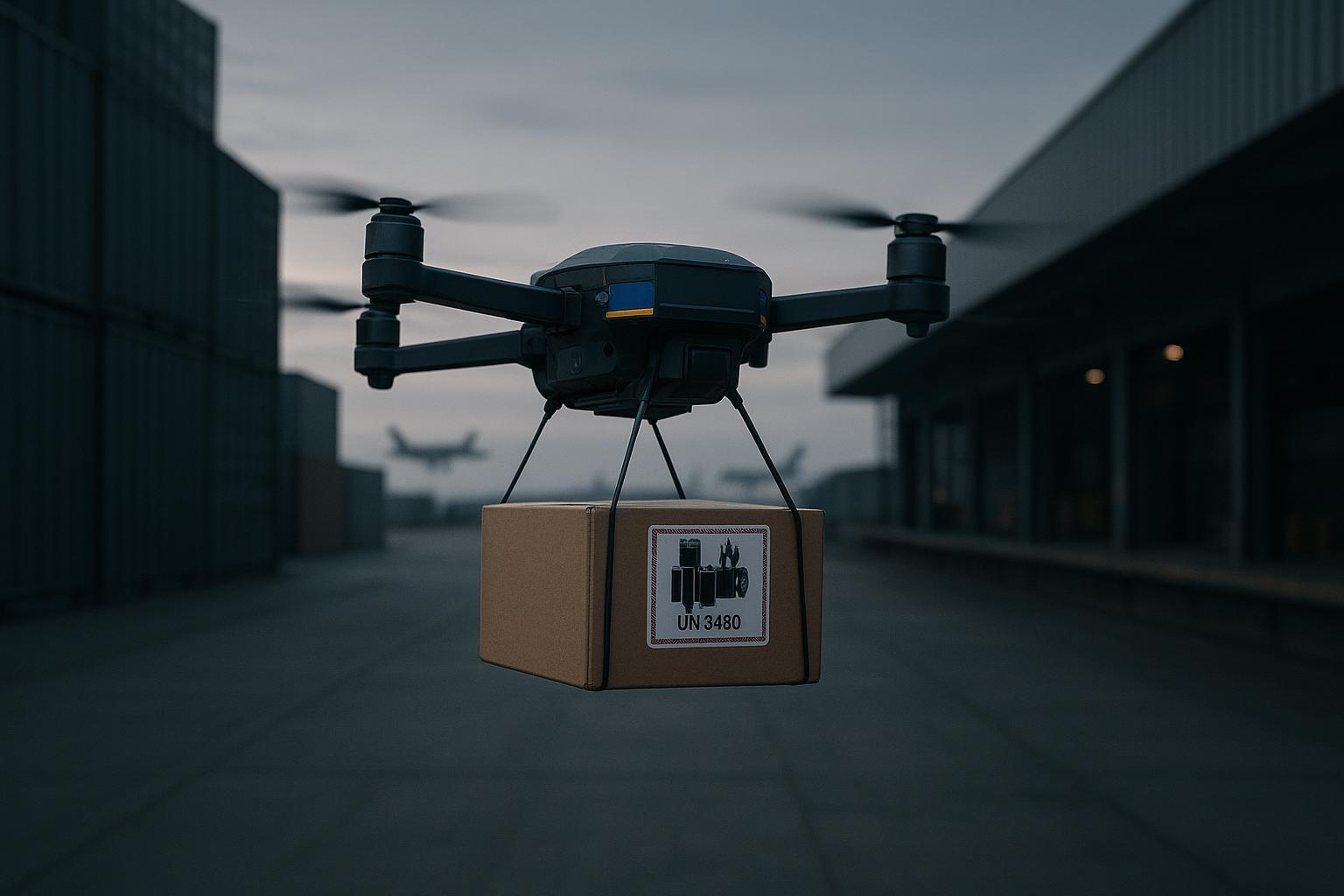
Key Certifications: Essential certifications include UN38.3 (International Transport Safety Certification) and CE (European Safety Certification).
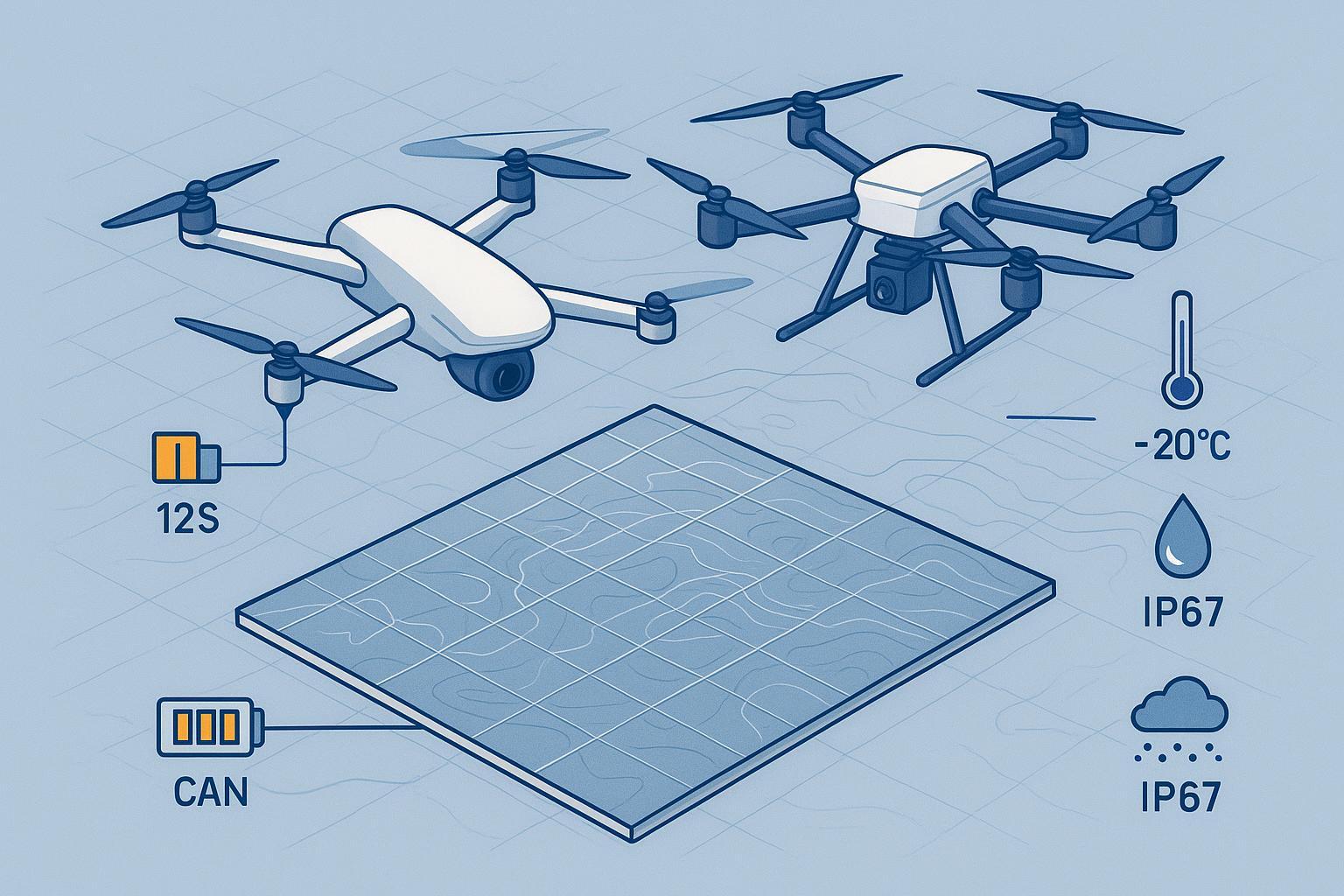
Operating Temperature Range and Performance: Industrial drones require batteries engineered to sustain reliable discharge performance in extremely low-temperature environments, specifically down to -30℃. Conversely, for safety, the battery must incorporate an over-temperature protection function that automatically cuts off power when the ambient temperature exceeds 60℃.
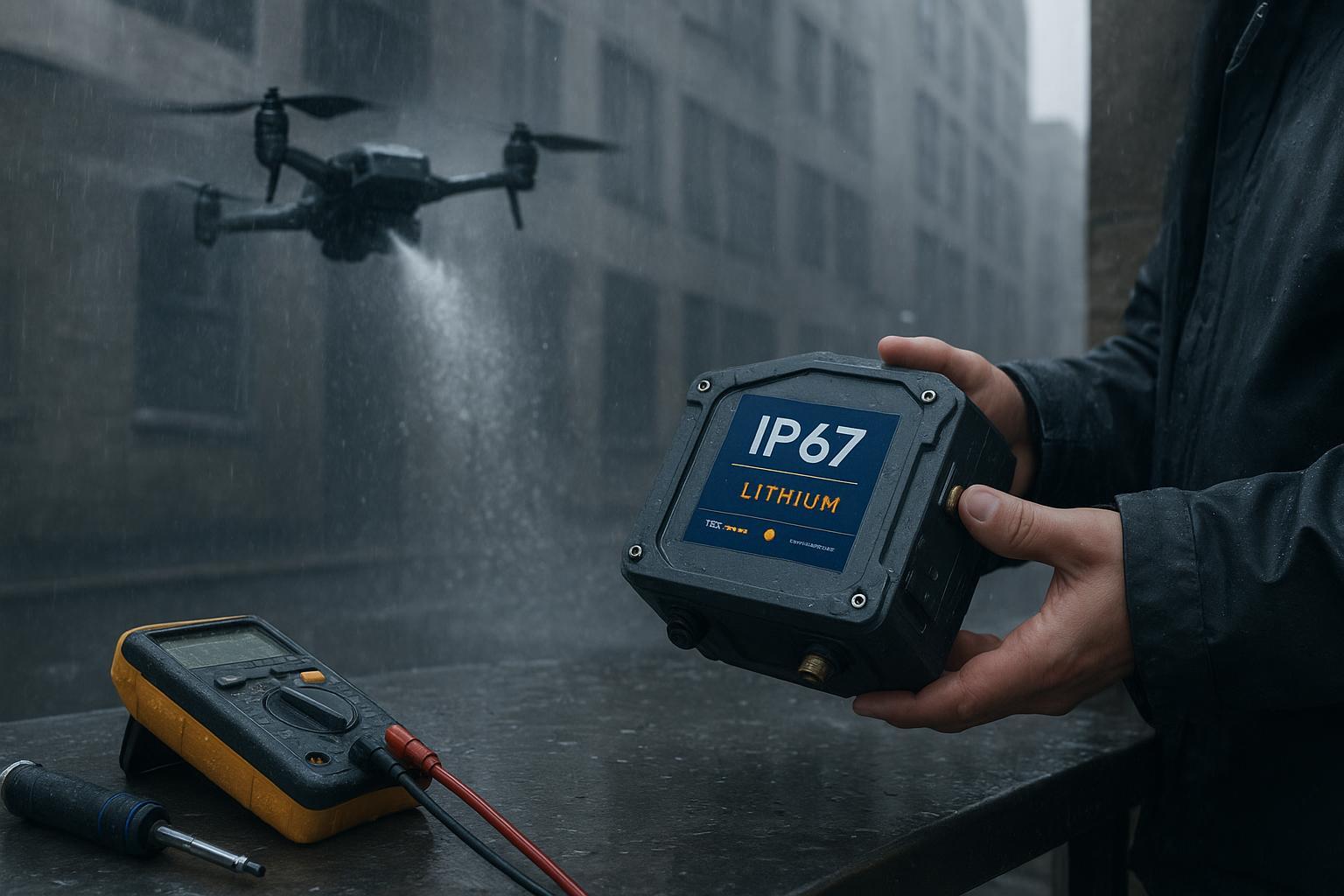
Water Resistance: Batteries with a waterproof rating of IP64 or higher can effectively handle light rain.
Safety: BMS Protection Thresholds
A robust Battery Management System (BMS) is critical for preventing thermal runaway and ensuring safe operation. The BMS must possess precise safety protection features:
Overcharge Protection: When the battery voltage reaches 4.25V ± 0.05V, the BMS will rapidly cut off the charging circuit to prevent overheating or explosion.
Over-discharge Protection: When the battery voltage drops to 2.8V ± 0.05V, the BMS will immediately cut off the discharge circuit to prevent permanent capacity loss.
Temperature Monitoring and Protection:
Over-Temperature Cutoff: When the ambient temperature exceeds 60℃, the battery must have an over-temperature protection function, which automatically cuts off power.
Low-Temperature Management: When the battery is in a low-temperature environment (e.g., -20℃), the BMS will automatically start the preheating function.
Short Circuit Protection: The BMS must respond in an extremely short time (less than 100 microseconds) to cut off the circuit.
Cell Balancing: The Cell Balancing function ensures that the voltage and charge of each cell in the battery pack remain consistent.
Core Value and Technical Advantages
Benefits: Endurance and Payload Efficiency
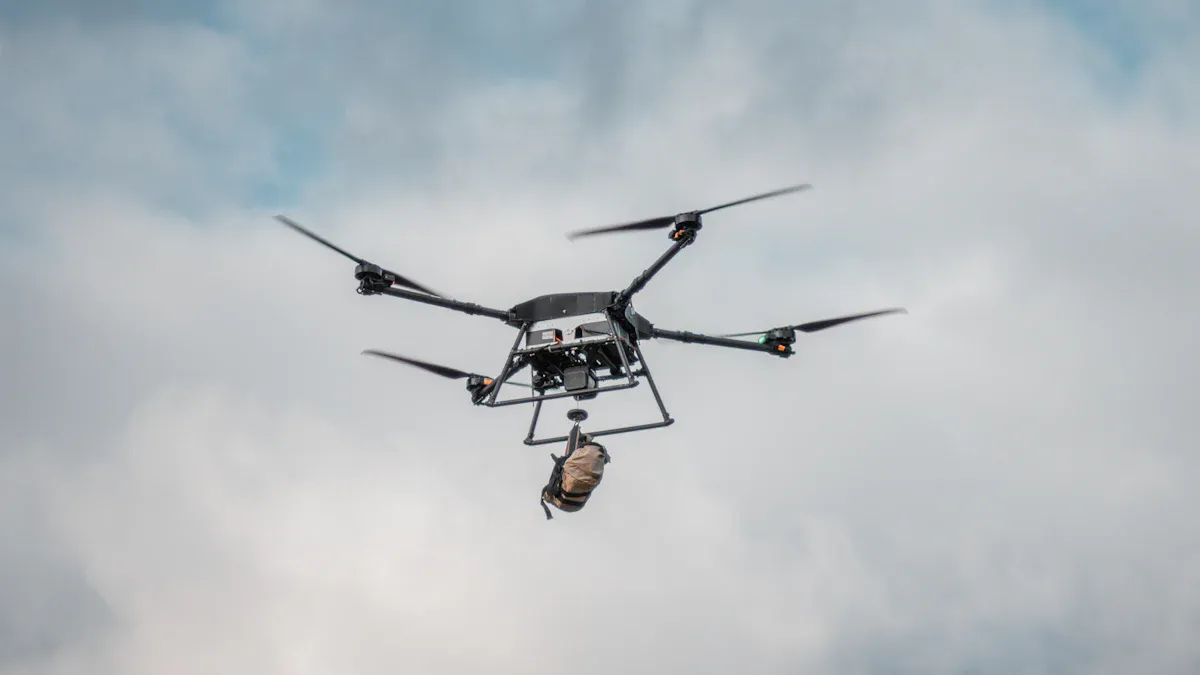
High energy density (Wh/kg) UAV batteries offer significant benefits that enhance your drone operations. They provide extended flight time, allowing you to complete more tasks without frequent recharges. This capability is crucial for industries like logistics and agriculture, where efficiency directly impacts productivity. Furthermore, high energy density is a key metric reflecting the amount of energy the battery can store per unit of weight. High-performance batteries ensure consistent output, supporting heavier payloads without compromising flight duration.
Herewin Technology: Nano Silicon-Carbon
Herewin’s self-developed nano-silicon-carbon negative electrode technology is a core competence, setting a high technical benchmark. This advanced material enables the battery capacity to increase by 30% compared to traditional batteries at the same volume and weight. This technological edge provides users with superior endurance and payload capacity. Additionally, Herewin batteries demonstrate superior environmental adaptability, designed to operate stably in the extreme wide temperature range of -20°C to 60°C. This durability ensures high operational reliability across diverse climates.
Cost Management: TCO and OPEX
Investing in high energy density UAV batteries significantly minimizes Total Cost of Ownership (TCO). While original batteries offer safety assurance, they are often high priced. Conversely, general third-party batteries may be 30%-50% lower in price, but their quality is inconsistent, leading to higher operational risks.
Choosing a reliable, durable industrial-grade battery, such as Herewin’s solution, effectively balances cost and safety. Herewin batteries have passed international authoritative certifications such as UN38.3 (International Transport Safety Certification) and CE (European Safety Certification), and are built with 6 layers of protection circuits. This comprehensive safety design provides robust assurance for asset safety and reduces the high risk associated with generic third-party products. The low swelling rate (below 1%) further assures asset safety and minimizes potential costly downtime.
This robust reliability, coupled with a high cycle life (500-800 cycles), reduces the need for frequent replacements, thereby lowering the TCO. By optimizing asset safety and reducing potential costly downtime, you can allocate resources more effectively, thereby optimizing Operational Expenditures (OPEX).
Asset Durability and Maintenance Strategy
Maintaining the durability of your UAV batteries is essential for maximizing their lifespan and ensuring optimal performance, significantly minimizing the Total Cost of Ownership (TCO). Mastering correct usage methods can prolong the life of battery assets and safeguard enterprise investment returns.
Maintenance: Periodic Calibration
Periodic calibration of your UAV batteries is crucial for maintaining performance and restoring cell consistency.
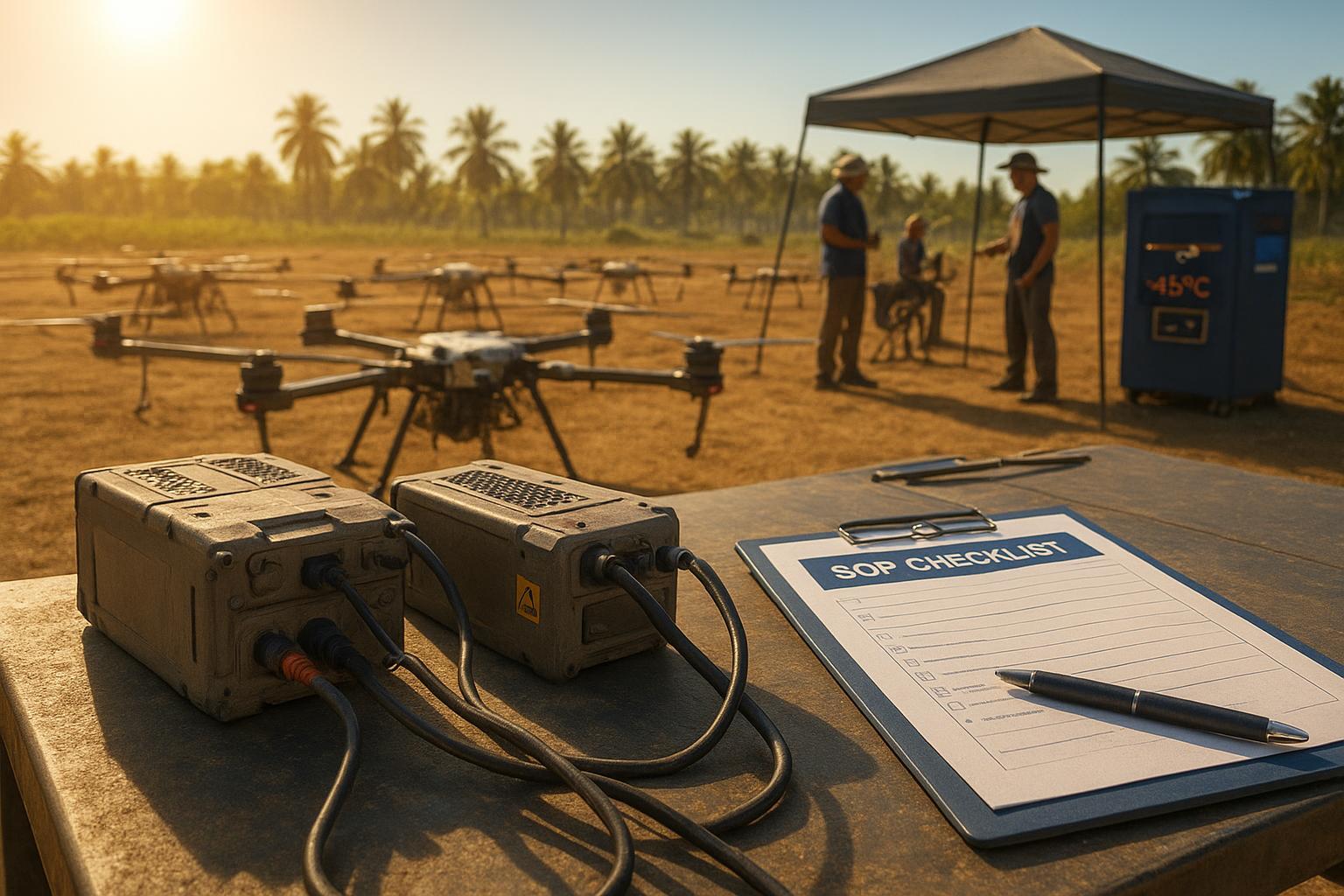
Calibration Frequency: Perform a “complete charge-discharge cycle” using a dedicated battery tester after every 20 charges. This cycle involves discharging the battery to 3.0V/cell, then fully charging it.
Calibration Benefit: This procedure helps restore cell consistency, reducing the cell voltage difference to within 0.05V, and can extend the battery’s life by 10%-15%.
Charging Management: Do not charge beyond 90% each time to prevent overcharge lithium plating. Control the charging ambient temperature between 10°C and 35°C..
Lifespan: Cycle Count & Asset Durability
Understanding and managing the battery’s lifespan is vital for effective asset management.
Cycle Life: High-quality industrial batteries, such as Herewin’s solution, are engineered for durability, with a cycle life that can reach 500 to 800 cycles before capacity degrades to 80%. This significantly lowers the Total Cost of Ownership (TCO).
Storage Techniques: For long-term storage, maintain a charge level of 40%-60% (approximately 3.8V-3.9V/cell). Storing at full charge accelerates aging. It is recommended to store batteries in a dehumidifying box with humidity less than 60%.
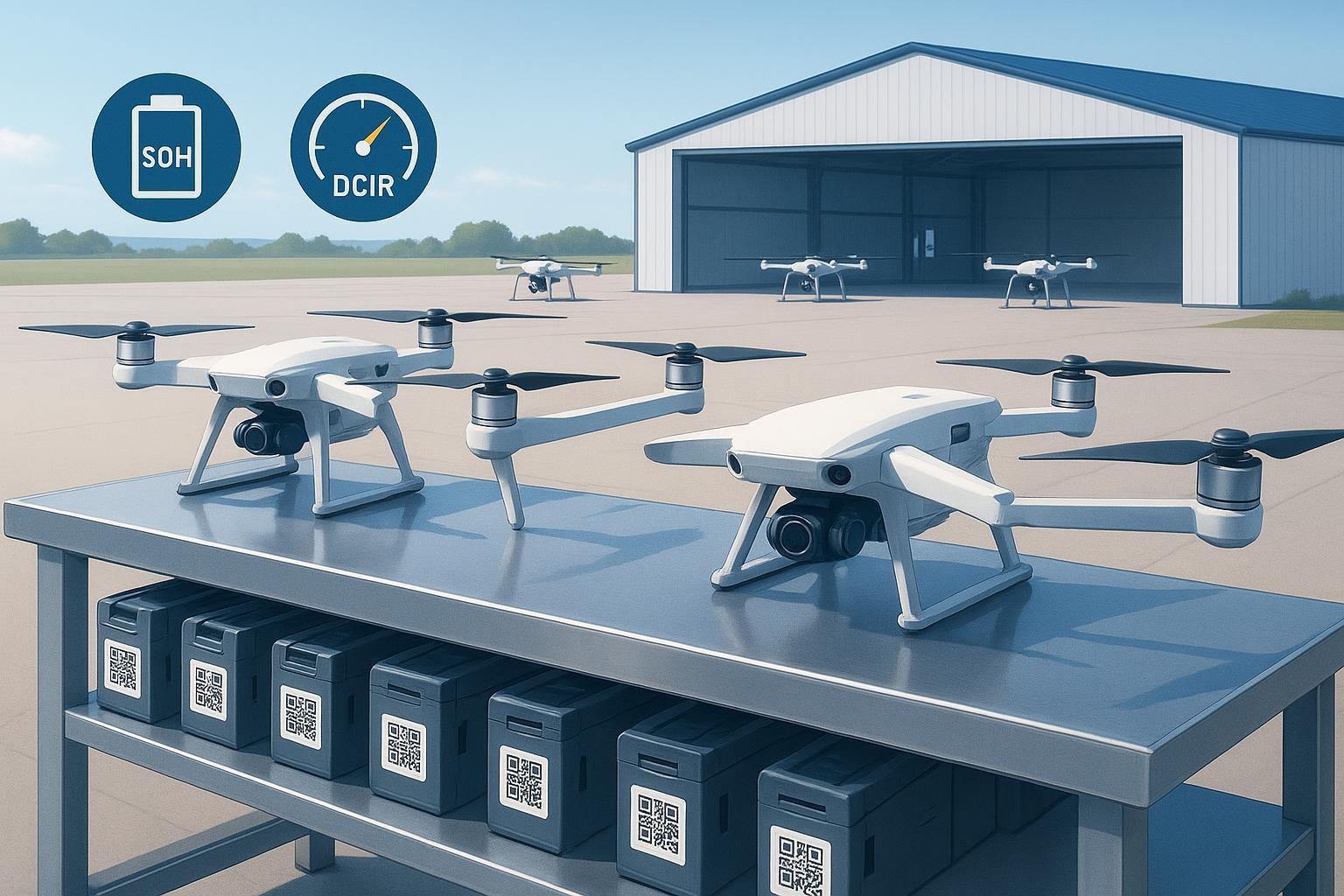
Asset Durability Note: The optimal service life is within 1 year of the production date. Batteries older than 2 years may have lost 10% or more of their capacity, even if new. Oxidation or corrosion on electrode contacts suggests electrolyte leakage or long-term over-discharge.
Herewin’s 30000mAh semi-solid state battery comes with a 12-month warranty, covering manufacturing defects with free repair or replacement.
High energy density UAV batteries are essential for maximizing flight endurance and minimizing TCO in your industrial drone operations. These batteries enhance performance, allowing you to complete more tasks efficiently. As you invest in these advanced solutions, consider the future trends shaping the industry. Innovations like semi-solid-state batteries promise even greater energy density and safety. Embracing these advancements will position you at the forefront of drone technology, ensuring your operations remain competitive and sustainable.
PREGUNTAS FRECUENTES
What are high energy density UAV batteries?
High energy density UAV batteries provide more power in a smaller size. They enhance flight endurance, allowing drones to perform tasks efficiently. These batteries are essential for applications requiring high power output, such as aerial photography and surveying.
How do I maintain my UAV batteries?
Perform a “complete charge-discharge cycle” after every 20 charges using a dedicated tester. This periodic calibration can extend life by 10%-15% and restores cell consistency. For storage, maintain a charge level of 40%-60% (approx. 3.8V-3.9V/cell) in a dehumidifying box (humidity less than 60%).
What is the average lifespan of UAV batteries?
Lifespan is measured by cycle count. High-quality industrial batteries, such as Herewin’s solution, can reach 500 to 800 cycles before capacity degrades to 80%. Batteries older than 2 years may have lost 10% or more of their capacity, even if new.
How do high energy density batteries reduce TCO?
High energy density batteries reduce total cost of ownership (TCO) by minimizing replacement frequency and lowering energy consumption. Their extended lifespan and efficiency lead to significant cost savings over time, making your drone operations more sustainable.
Can I use high energy density batteries in any drone?
While many drones can utilize high energy density batteries, compatibility depends on the drone’s specifications. Always check your drone’s requirements to ensure optimal performance and safety when integrating new battery technology.
 Español
  English
  한국어
한국어  Deutsch
  Français
  日本語
日本語  Русский
  Bahasa Indonesia
  ไทย
ไทย  العربية
  Português do Brasil
  Italiano
  Nederlands