







Cross-border drone fleets are evolving. The focus has shifted from simple “battery disposal” to strategic energy asset governance. In 2026, compliance is no longer just about finding a recycler; it is about building a closed-loop, evidence-backed system. This playbook provides asset directors and ESG leaders with an audit-ready framework to navigate transport safety, EU battery regulations, and data protection while maximizing residual value.
Core Requirements for Industrial Drone Battery Recycling in 2026
To maintain operational continuity, fleet managers must integrate three critical regulatory benchmarks into their 2026 workflows:
Air Transport (IATA DGR 67th Ed)
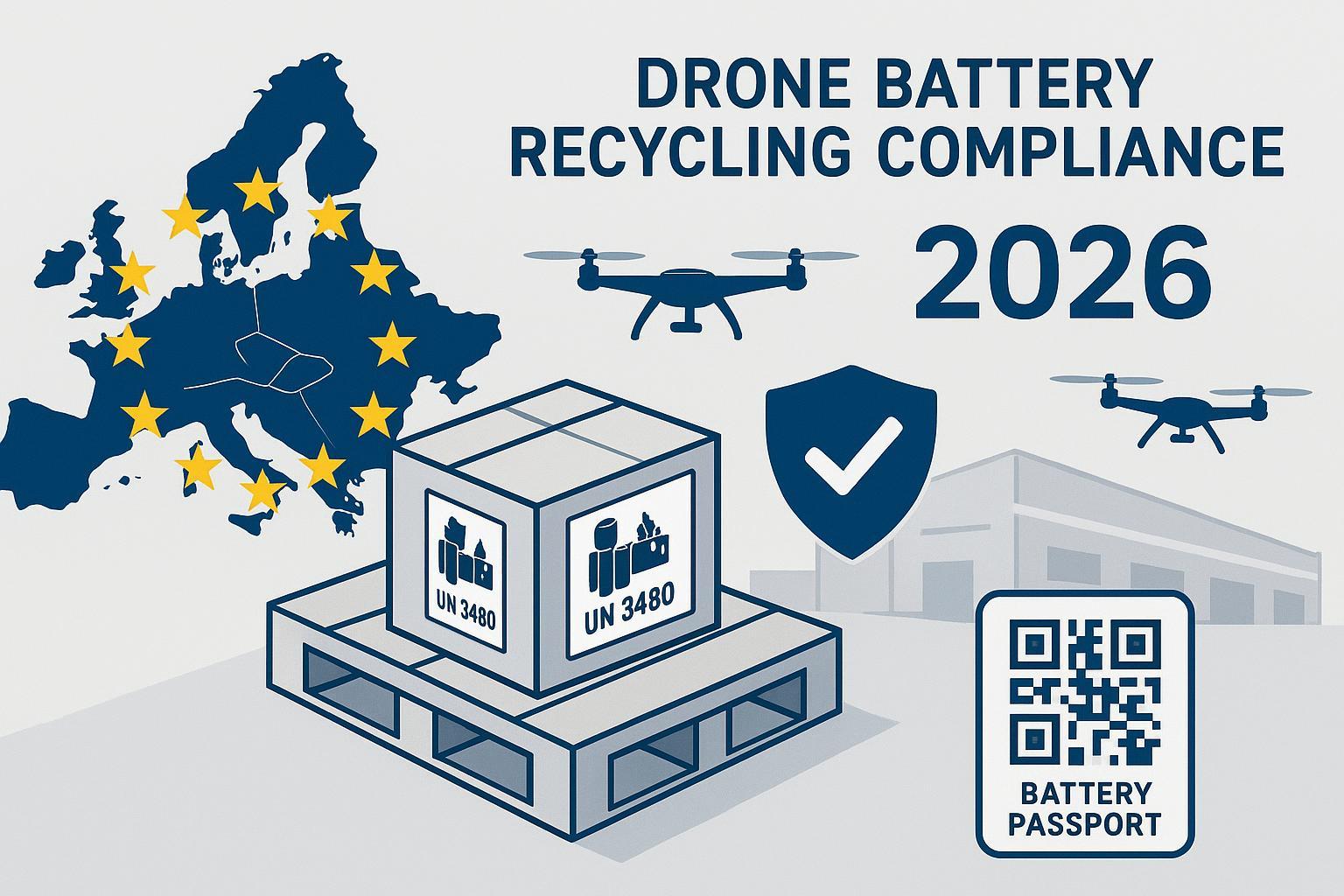
- The 30% Mandate: Under PI 965 (UN 3480), standalone lithium‑ion batteries must be offered for transport at a State of Charge (SoC) not exceeding 30% of their rated capacity. IATA Lithium Battery Guidance (2025) and the DGR 67th Edition Addendum 1 (effective 01‑Jan‑2026) provide implementation detail for PI 965 and Special Provision A331.
- Action: Update Shipper’s Declarations to reference Special Provision A331 and ensure SoC verification is recorded for every air‑bound lot.
Risk Mitigation & Safety Standards
- Operational Safety: Align storage and handling with IEC safety and installation standards such as IEC 62619 and IEC 62485‑5.
- Action: Integrate automated early‑warning sensors with physical isolation protocols to mitigate thermal runaway risks in high‑density storage zones.
The Digital Battery Passport (DPP)
- Regulatory Alignment: Per Regulation (EU) 2023/1542 (see Article 13 and Annex XIII), industrial batteries destined for the EU must be linked to a synchronized digital record containing the passport fields listed in the annex.
- Implementation: Ensure your intake data (serial numbers, chemistry, capacity) maps 1:1 to the EU’s required attributes to prevent customs and audit delays.
2026 Global Policy Landscape: Transitioning from Awareness to Enforcement
As planned initiatives transition to legal mandates, market access in the EU and US now depends on documented implementation.
European Union: Mastering (EU) 2023/1542
Focus on these three enforceable pillars to secure your EU market position:
- DPP Readiness: Align internal asset data with Annex XIII to ensure smooth border transitions (see Regulation (EU) 2023/1542, Annex XIII).
- Carbon Footprint: Monitor the Official Journal and delegated acts for mandatory class‑labeling and carbon‑footprint timelines in the Regulation’s text.
- Recovery Targets: Require vendors to provide audited mass‑balance reporting to prove compliance with the Regulation’s material recovery tables.
United States: California SB 1215 (EPR)
- EPR Obligations: California’s producer responsibility rules for batteries are administered by CalRecycle; operational guidance and program pages summarize obligations and schedules—see CalRecycle EPR for Batteries for current program details.
- Action: Use CalRecycle’s Battery Stewardship (AB 2440/SB 1215) program pages—see CalRecycle’s Manufacturer Notice Guidance and the statewide Battery Stewardship program overview—to verify specific filing calendars, fee structures, and manufacturer notice requirements. Assign clear internal ownership for recurring reporting to avoid state‑level penalties.
The “Highest Standard” Strategy
Avoid the financial drain of fragmented documentation. Adopt a “Single Source of Truth” pack—combining PI 965 air docs, ADR/IMDG lists, and Annex XIII data—to satisfy global insurers and customs authorities simultaneously.
A practical playbook for industrial drone battery recycling compliance
To move from “disposal” to “governance,” your decision flow must be simple, defensible, and traceable.
Step 1: Intake Triage & Safety Screening
Before processing, every pack must be identified and assessed. To meet 2026 audit‑ready standards, recording these three critical voltage metrics is non‑negotiable:
- Storage Stability (3.85 V target): Maintain 3.85 V per cell for any long‑term staging to preserve electrochemical health and minimize degradation.
- Consistency check (≤ 0.05 V delta): The static cell voltage delta should remain ≤ 0.05 V. Exceeding this threshold typically disqualifies a pack from high‑value second‑life eligibility, regardless of nominal capacity.
- Safety red‑line (3.0 V dead‑line): Any cell measured below 3.0 V must be flagged as over‑discharged or damaged and routed for immediate neutralization.
Threshold sources and applicability — The voltage and consistency thresholds cited above (3.85 V storage target, ≤0.05 V cell-to-cell delta, 3.0 V safety cutoff) are presented as internal operational thresholds for triage, not as explicit IEC/UN mandates (see IEC 62619/62133 for safety tests without fixed storage voltages). Apply these thresholds by chemistry: use the 3.85 V storage target primarily for NMC/high‑energy cells and a lower target for LFP; retain the 3.0 V cutoff as a conservative pack-level protection trigger. If you are using a formal SOP, insert the SOP identifier/version here for audit traceability.
Step 2: Disposition Logic (Second‑Life vs. Recycling)
Use a banded heuristic for State of Health (SOH). Batteries delivering between 20%–80% of original capacity (under an agreed test protocol) are candidates for controlled second‑life applications provided they pass the safety consistency checks (voltage delta and IR). Severely degraded or physically compromised units should proceed directly to certified material recovery pathways.
Step 3: Outbound Logistics & Transport Compliance
If air transport is unavoidable, satisfy the 2026 IATA Dangerous Goods Regulations requirements:
- SoC proof: Ship standalone lithium‑ion batteries under PI 965 with State of Charge at or below 30%.
- Documentation: Complete the Shipper’s Declaration referencing Special Provision A331 where applicable.
For road and sea, align with ADR and IMDG requirements, using IATA’s strict safety standards as the baseline for documentation across modes. Confirm PI section applicability (IA/IB/II) for your pack types and lane‑specific exceptions before dispatch.
Step 4: Data Governance & Asset Modeling
Build your intake data model to mirror the EU Digital Battery Passport. Ensure every field—from manufacturer specifications to IR delta and SoC at dispatch—maps directly to a passport attribute. Implement role‑based access control to protect BMS telemetry and redact commercially sensitive streams unless disclosure is contractually required for audits or insurer review.
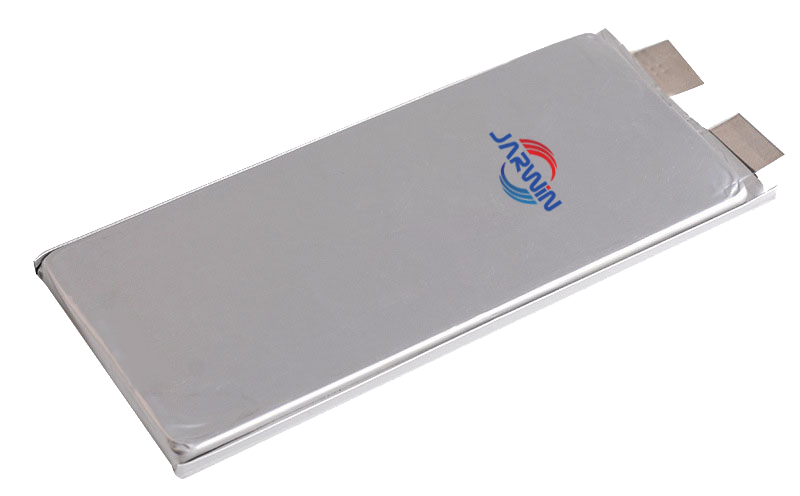
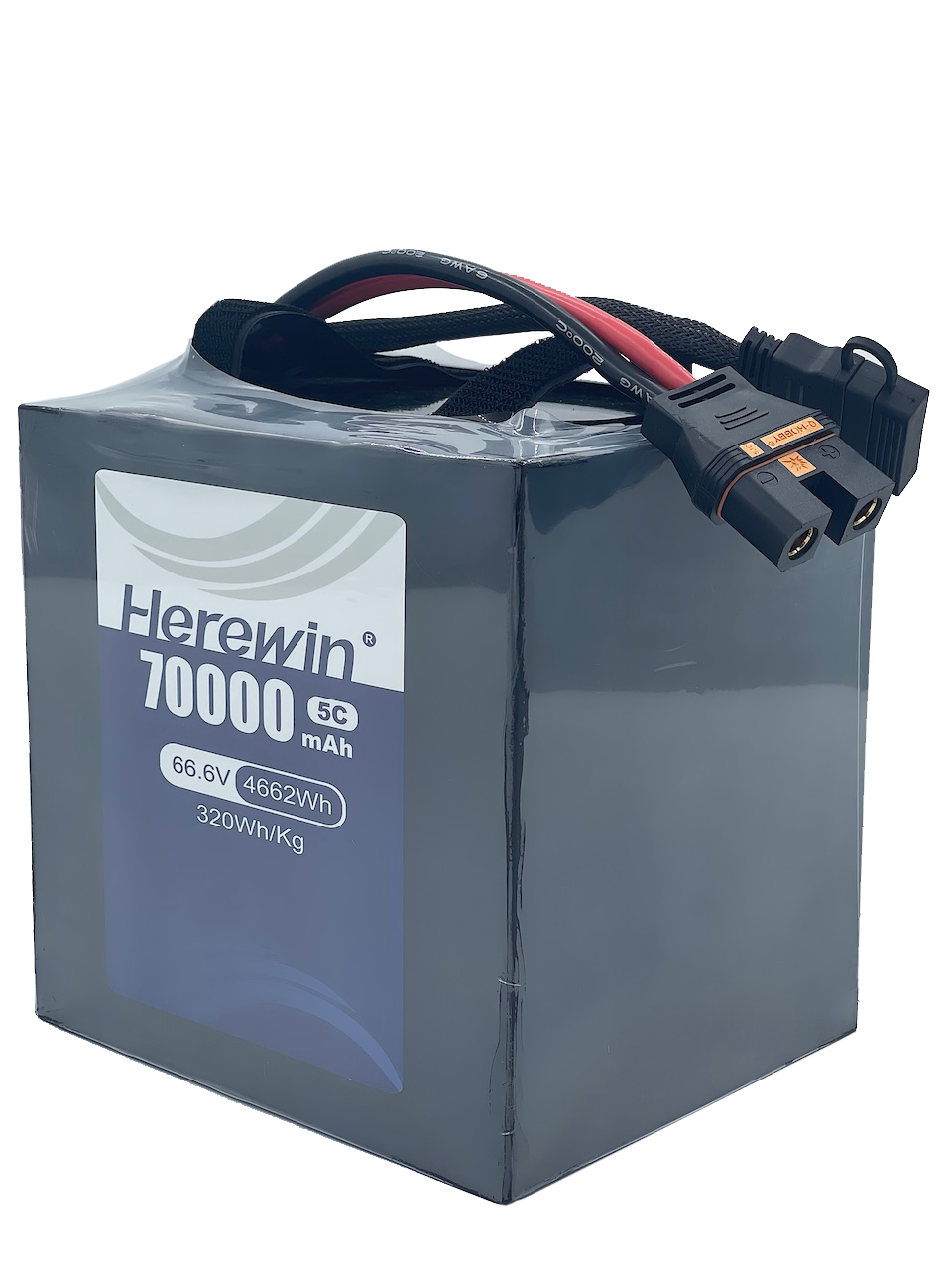
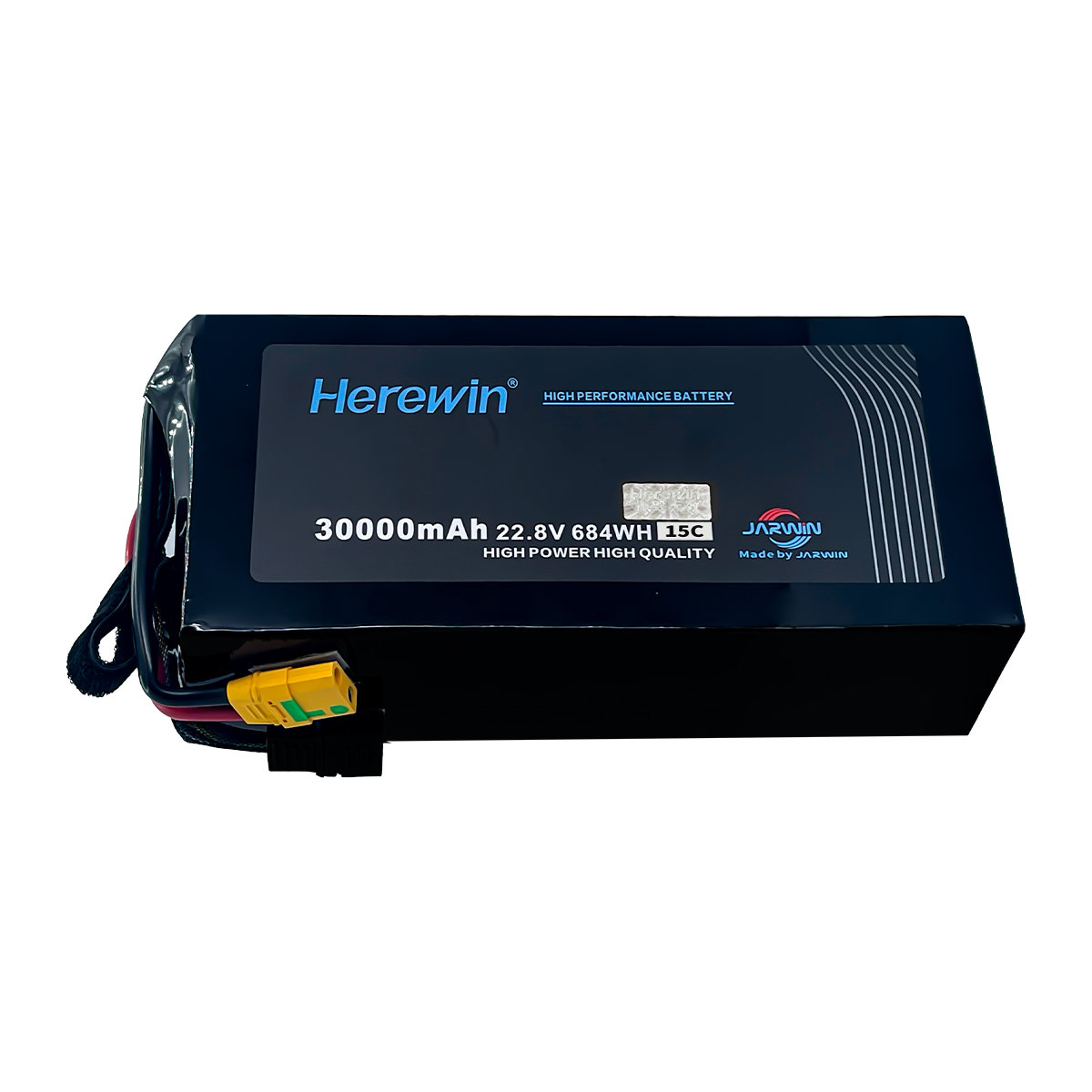
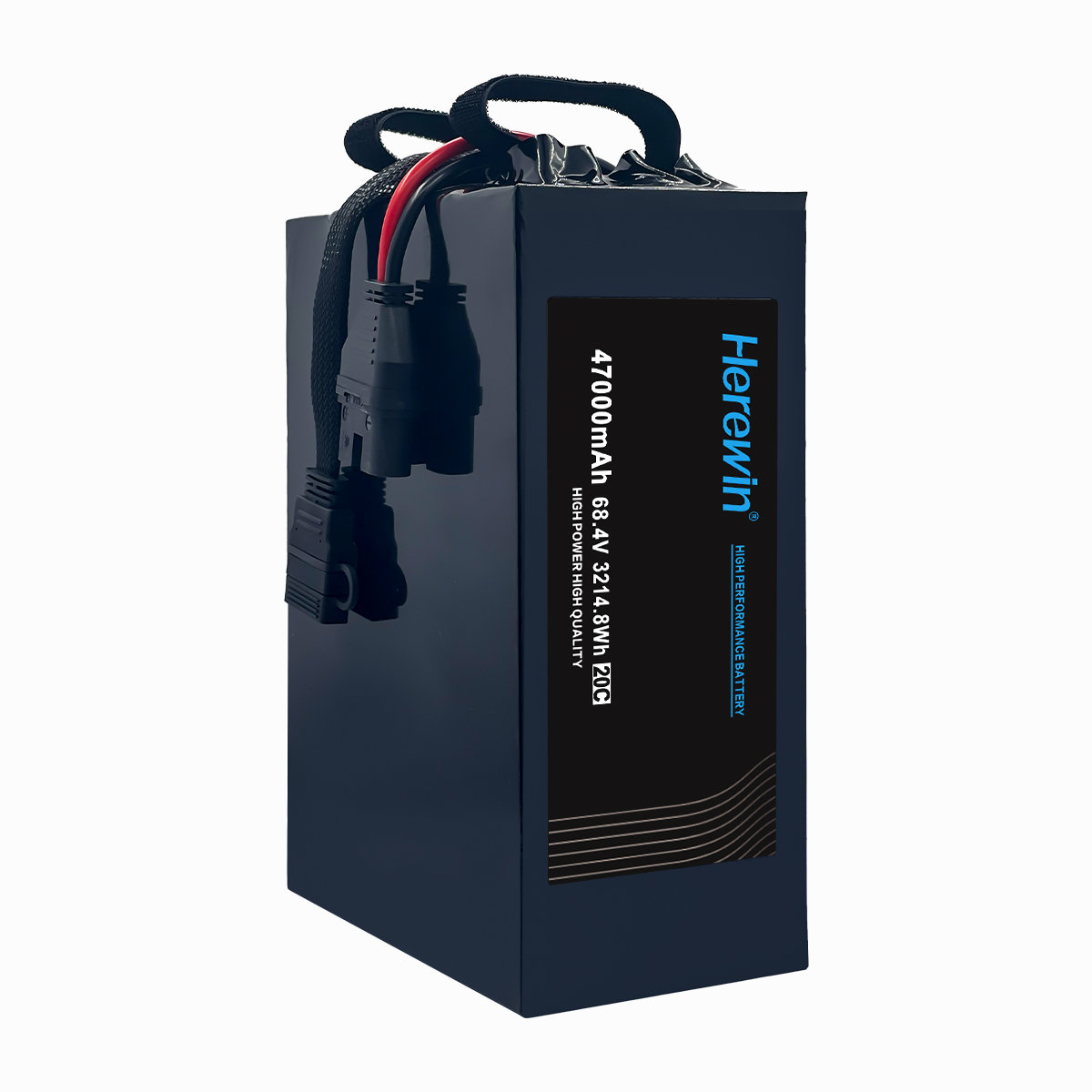
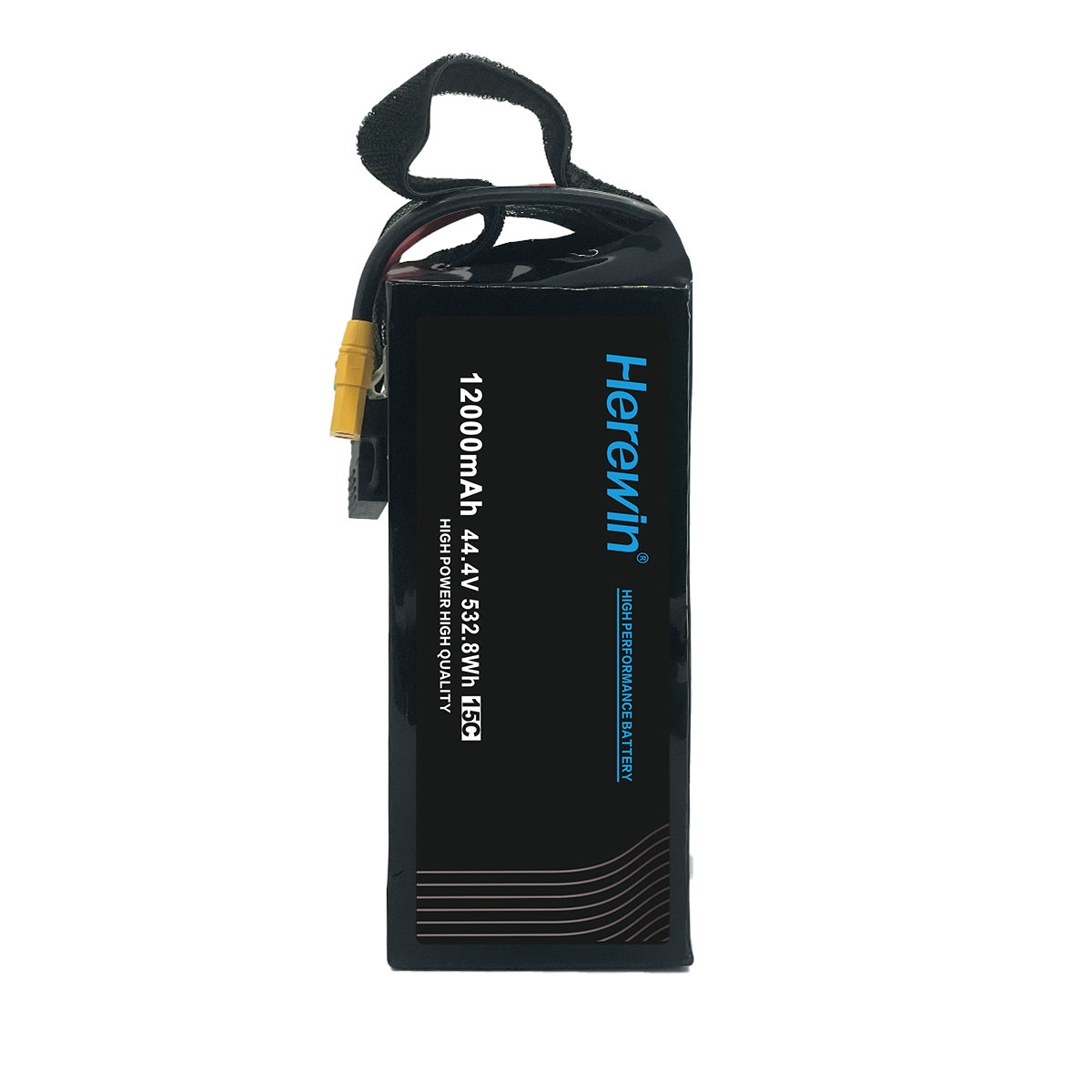
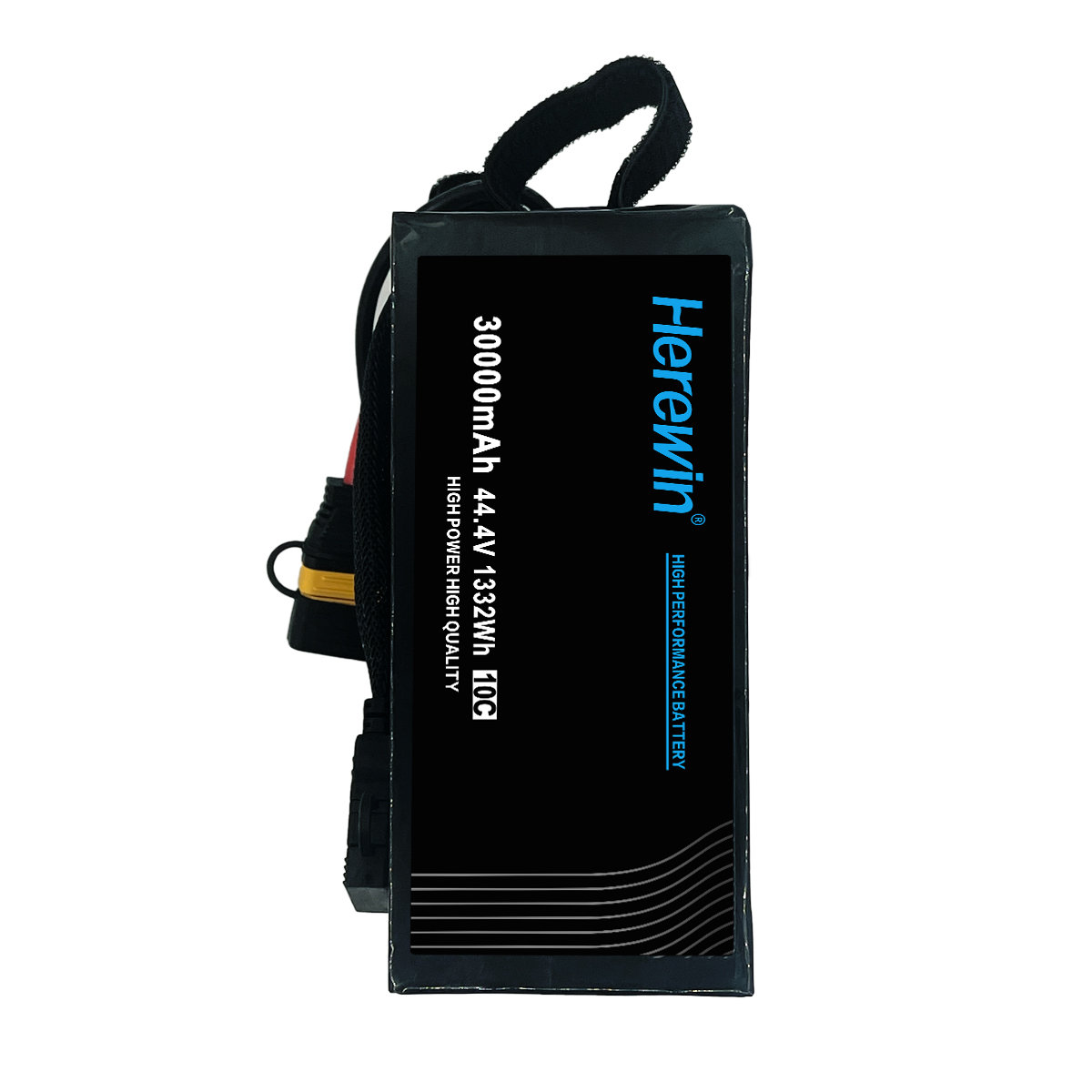
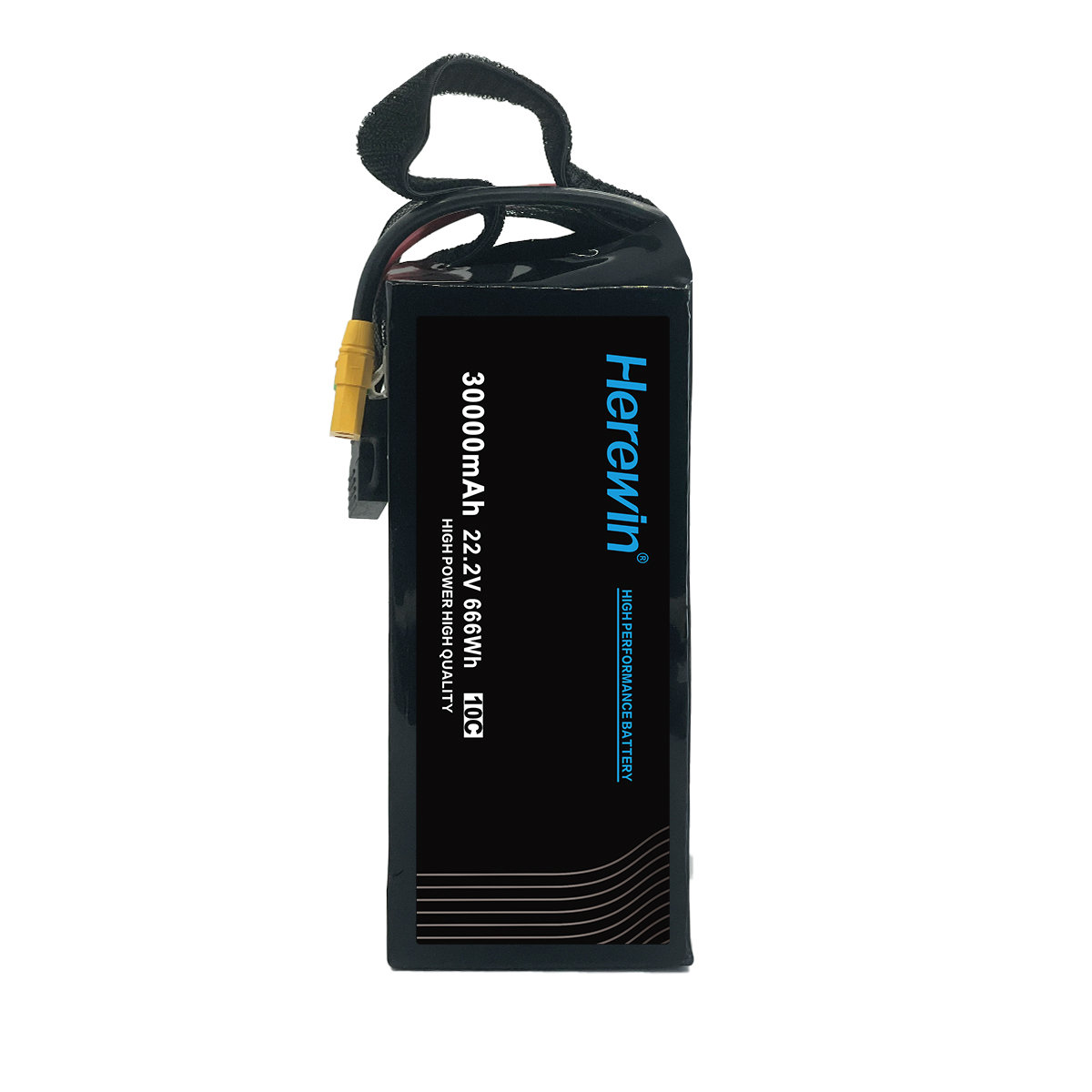
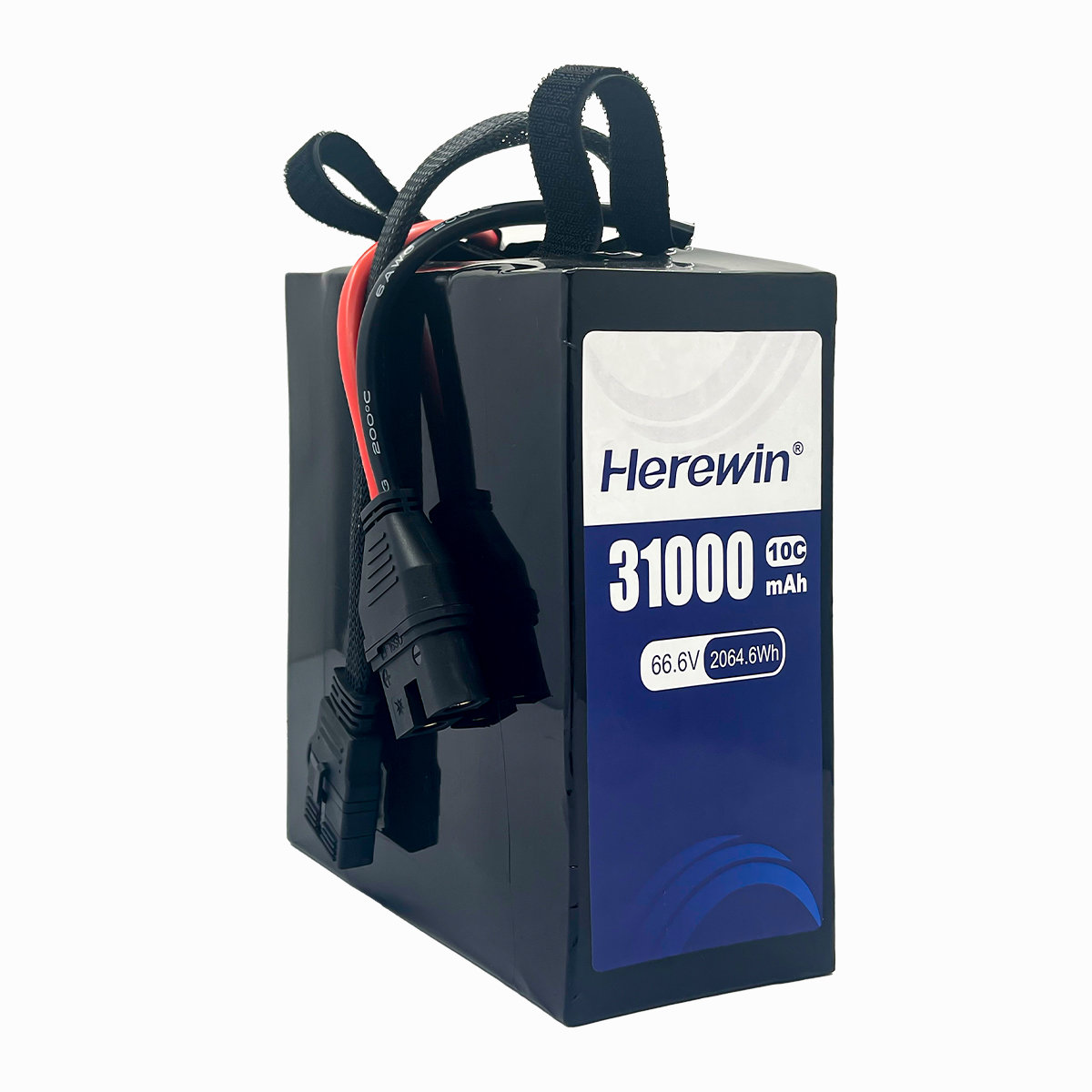
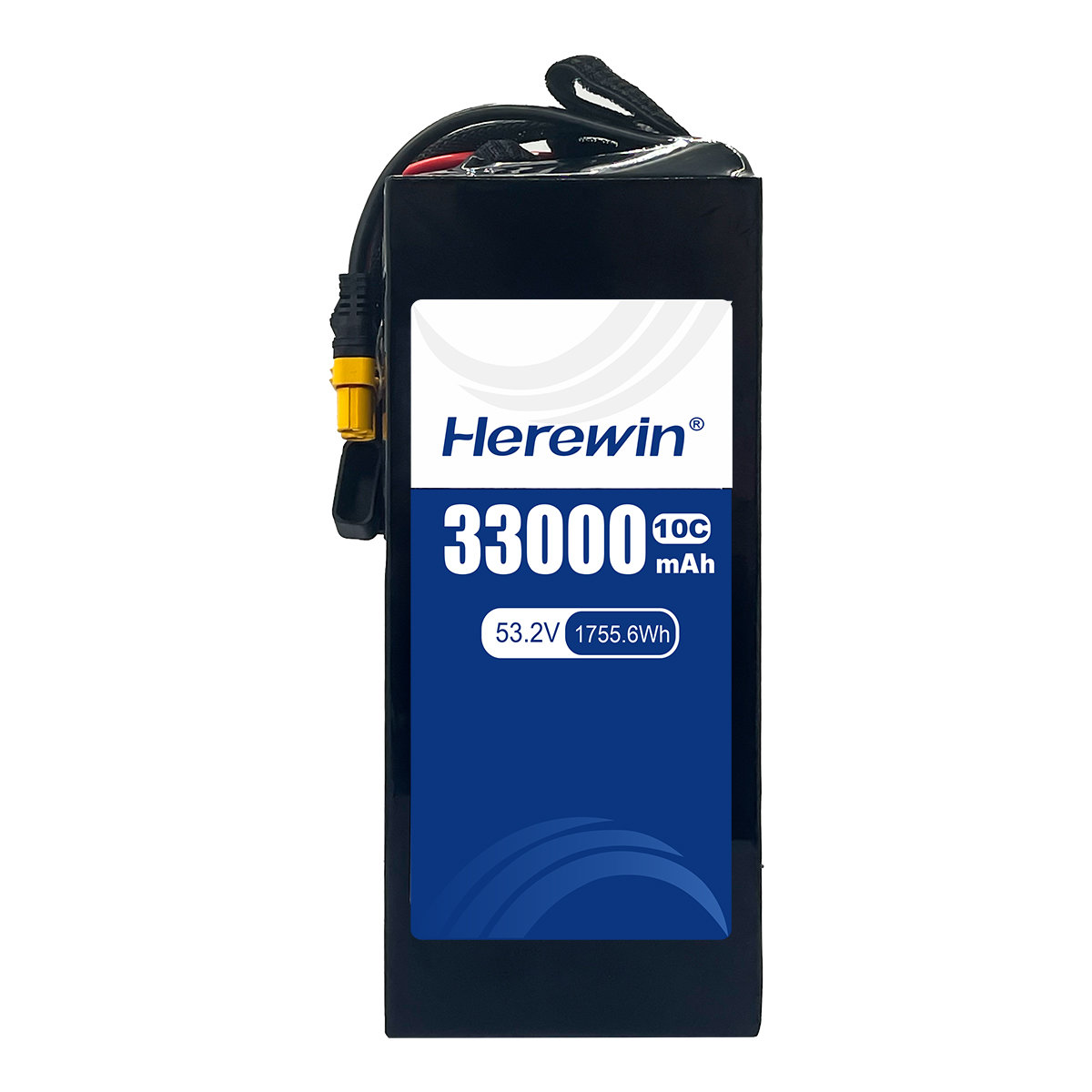
Disclosure:Herewin is our product. Be explicit in audit packs about cell architecture and test protocol. When modeling residual value, distinguish between cell technologies: for example, semi-solid cell architectures (Herewin 2026 specification) are rated at 1,200+ cycles with ≥80% capacity retention, while typical liquid LiPo packs generally rate 500–800 cycles. Specifying the architecture and the test protocol in your audit packet supports a defensible 1,000-cycle planning baseline and speeds insurer and buyer reviews.
Recycling pathways and how to choose a vendor you can audit
In 2026, compliance is assessed against actual material recovery targets, not marketing claims. Contracts should be built around audited performance versus the Regulation (EU) 2023/1542 tables.
1. The Three Recycling Families
- Pyrometallurgy: Robust for mixed scrap but requires high-temperature smelting, which can lose lithium without intensive secondary refining. Environmental controls are critical.
- Hydrometallurgy: Relies on chemical leaching. Peer-reviewed literature reports high extraction efficiencies—up to 98–99% for lithium under optimized conditions. Always require audited mass-balance reports for commercial-scale procurement decisions .
- Direct Recycling: Aims to preserve cathode materials with minimal decomposition. While promising for material fidelity, it remains sensitive to feedstock quality and scale.
2. Vendor Due Diligence
When auditing a recycling partner, verify these five pillars:
- Valid Permits: Hazardous waste authorizations with current validity dates.
- Independent Verification: Evidence of recovery/efficiency claims aligned with Annex XIII targets.
- Acceptance Criteria: Documented standards for different chemistries and form factors.
- Data Interface: Chain-of-custody protocols that sync with your Digital Battery Passport records.
- Incident Protocols: Incident reporting and corrective-action workflows compatible with insurer root-cause expectations.
Cross‑border fleet residual‑value management and TCO levers
Minimizing Total Cost of Ownership (TCO) for a cross‑border drone fleet means treating batteries as circulating assets rather than disposable waste. Use these three operational levers to maximize end‑of‑life residual value and make valuations audit‑defensible.
Lever 1 — Lock a long‑life benchmark
- Rationale: Prefer cell chemistries and constructions that materially slow calendar and cycle aging to reduce depreciation.
- Practical anchor: Plan with a conservative audited baseline (e.g., 1,000 cycles) while recognizing validated vendor test programs may demonstrate >1,200 cycles for advanced cell designs.
- Disclosure: Where operators rely on vendor cycle‑life claims, include the test protocol and certificate excerpts in the audit packet to substantiate elevated residual valuations.
Lever 2 — Implement a three‑tier health audit
- Rationale: Market and insurer premiums accrue to packs with full, verifiable health records.
- Minimum dataset: State of Health (SOH); cell‑to‑cell voltage delta (operational gate ≤0.05 V); and internal resistance (IR) trend.
- Practical step: Record the Three‑Tier dataset at intake, retain the raw test files, and surface a signed verification in contracts or via third‑party lab reports to support second‑life pricing.
Lever 3 — Optimize compliant logistics to protect value
- Rationale: Compliance failures (customs holds, rejected shipments, insurer disputes) materially erode residual value.
- Practical step: Prepackage evidence required by transport rules (SoC proof aligned to IATA PI 965, pre‑seal inspection logs, export/import DPP fields) so shipments clear authorities and insurers without delay.
Management recommendation
- Contractually require recycling/processing partners to deliver audited mass‑balance reports and acceptance criteria tied to SOH bands. Make mass‑balance reporting a payment milestone so each unit of residual value is auditable and contract‑enforceable.
Scenario‑specific solutions
Agriculture Spraying Fleets
Challenge: Corrosive exposure and high‑current discharge cycles accelerate wear.
SOP Focus: Implement shorter inspection intervals. Any pack showing a persistent Voltage Delta > 0.05V during field charging must be isolated immediately and routed for controlled evaluation or neutralization.
Logistics: Utilize distributed collection points near farm hubs to minimize transport risk; favor sea or road transport where timelines allow.
Energy Inspection Fleets
Challenge: Long transport legs for transmission corridors and offshore assets increase handling and exposure risk.
SOP Focus: Adopt a hub‑and‑spoke consolidation model. Use voltage consistency (≤0.05V delta) as the primary gatekeeper at regional hubs before authorizing international transit; packs failing the gate should be quarantined and dispositioned locally.
Logistics: Treat air transport as a last resort. If air is necessary, prepare PI 965 documentation lot‑by‑lot and record 30% SoC evidence pre‑seal to satisfy IATA/ICAO requirements.
Small Enterprises (SMEs)
Challenge: Limited budget for complex compliance infrastructure.
SOP Focus: Prioritize the 3.0V safety floor and a 3.85V storage target to prevent total asset loss from over‑discharge. Maintain disciplined intake triage and documented voltage/IR checks to reduce downstream sorting costs.
Logistics: Outsource complex sorting and mass recovery to vendors with auditable reporting. As volumes grow, establish a conservative second‑life buyer program with clear acceptance tests and limited warranties based on SOH and IR data.
Preguntas frecuentes
How strict is the 30% SoC rule for air shipments in 2026?
It is mandatory. Under the 2026 IATA DGR (67th Edition), standalone UN 3480 batteries must not exceed 30% State of Charge to be accepted for air transport. Non-compliance results in immediate shipment rejection.
What goes into the EU battery passport for industrial rechargeable batteries?
It requires a standardized set of data defined by Annex XIII of Regulation (EU) 2023/1542. This includes technical specifications, carbon footprint declarations, and material recovery data.
Is there a universal SOH cutoff for second‑life versus recycling?
No. Cutoff thresholds are based on your specific buyer requirements, insurer rules, and safety metrics (like voltage consistency). While 80% SOH is a common benchmark, it is not a legal mandate.
Can I claim a fixed lithium recovery percentage from hydrometallurgy?
No. While lab efficiencies can reach 98–99%, commercial yields vary. You must verify performance through audited mass‑balance reports from your specific recycling vendor.
How does this guide support cross‑border fleet compliance?
It synchronizes transport safety, EU data obligations, and technical triage into a single “Single Source of Truth.” This ensures your records satisfy regulators and insurers across different jurisdictions simultaneously.
Next Steps
Compliance is a continuous process. To move from theory to implementation, we recommend these immediate actions:
- Extract Authoritative References: File the exact annex tables from Regulation (EU) 2023/1542 and the 2026 IATA DGR Addendum. These should form the core of your internal SOPs.
- Build an Audit-Ready Intake Model: Create a data form that mirrors Annex XIII fields, ensuring it captures SoC, capacity, and IR delta at the point of triage.
- Execute a Pilot Shipment: Partner with a recycler capable of providing audited mass-balance reports that integrate with your data model.
- Deepen Your Strategy: For insights on how recycling data influences new pack procurement, explore our explainer on [Recycling’s Role in Circular Drone Battery Design].
Technical Note: These specifications are for illustrative modeling only. Herewin’s 2026 semi-solid technology exhibits a unique performance profile compared to traditional liquid LiPo packs. As these figures are not formal guarantees, please refer to official product data sheets to calibrate your cycle-life and residual value models.






 Español
  English
  한국어
한국어  Deutsch
  Français
  日本語
日本語  Русский
  Bahasa Indonesia
  ไทย
ไทย  العربية
  Português do Brasil
  Italiano
  Nederlands