



In the first hour after a disaster, speed isn’t a luxury—it’s survival. For UAV teams, that Golden Hour often collides with brutal cold that turns capable power systems into operational liabilities. This guide explains how to specify, test, and operate emergency response drone batteries that can reliably cold‑start at around −20°C, with a focus on internal self‑heating systems and smart BMS safeguards. You’ll find a field‑ready SOP, a reproducible lab protocol, and procurement criteria aligned with UN38.3 transport and IEC 62133‑2 safety.
Cold-Start Challenges for Emergency UAV Missions at -20°C
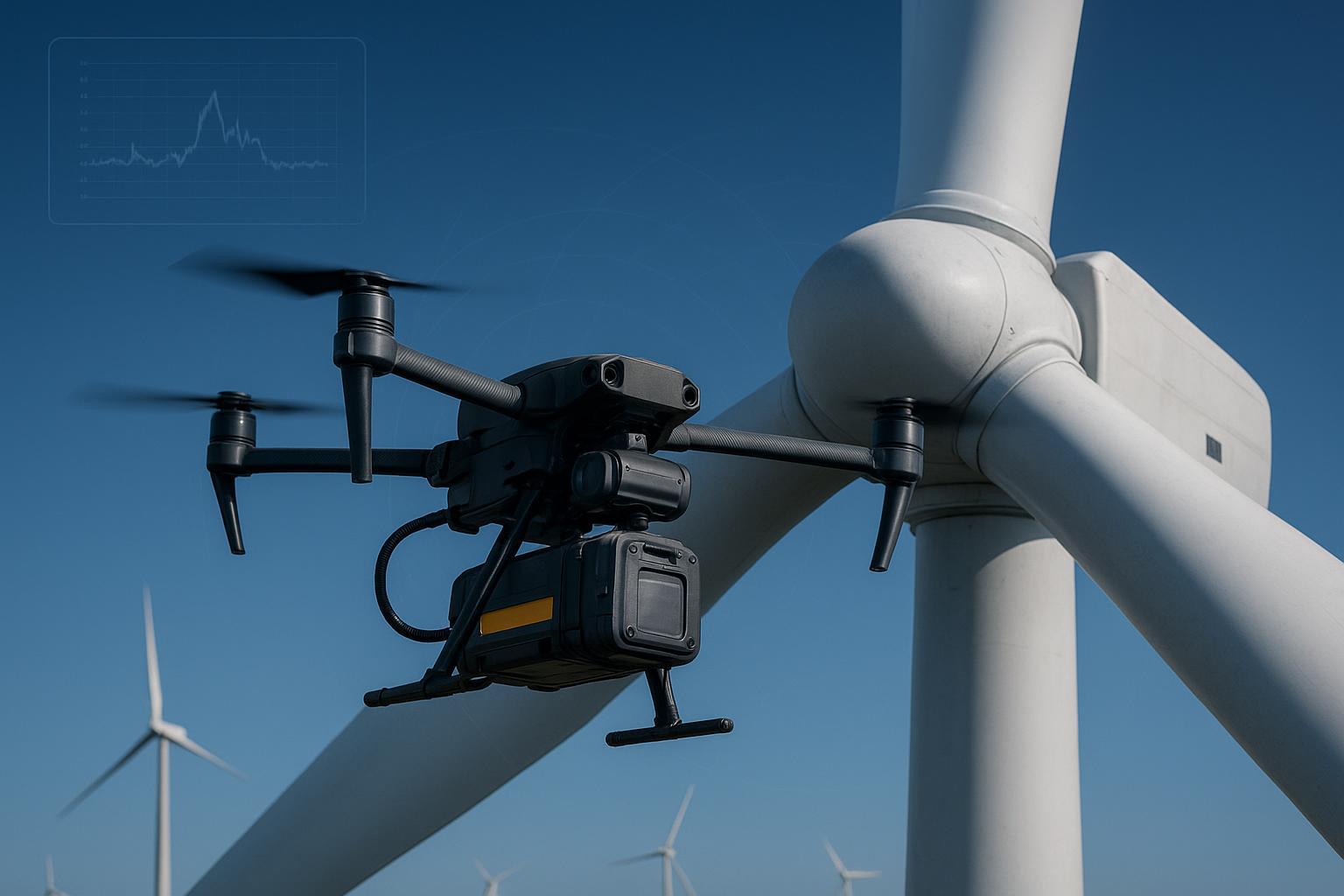
Cold soaks blunt performance, slow launches, and can cause abrupt in‑air shutdowns. At sub‑zero temperatures, cell internal resistance spikes, the voltage platform sags under load, and available power drops just when your drone needs peak current for takeoff and attitude corrections. If you’ve ever seen a pack read “healthy” on the bench and then nosedive the moment you throttle up, you’ve met the cold‑start problem. The mitigation isn’t guesswork: combine controlled preheating (ideally inside the pack) with BMS logic that enforces safe takeoff conditions and keeps telemetry honest.
Voltage Sag & Internal Resistance in Extreme Cold
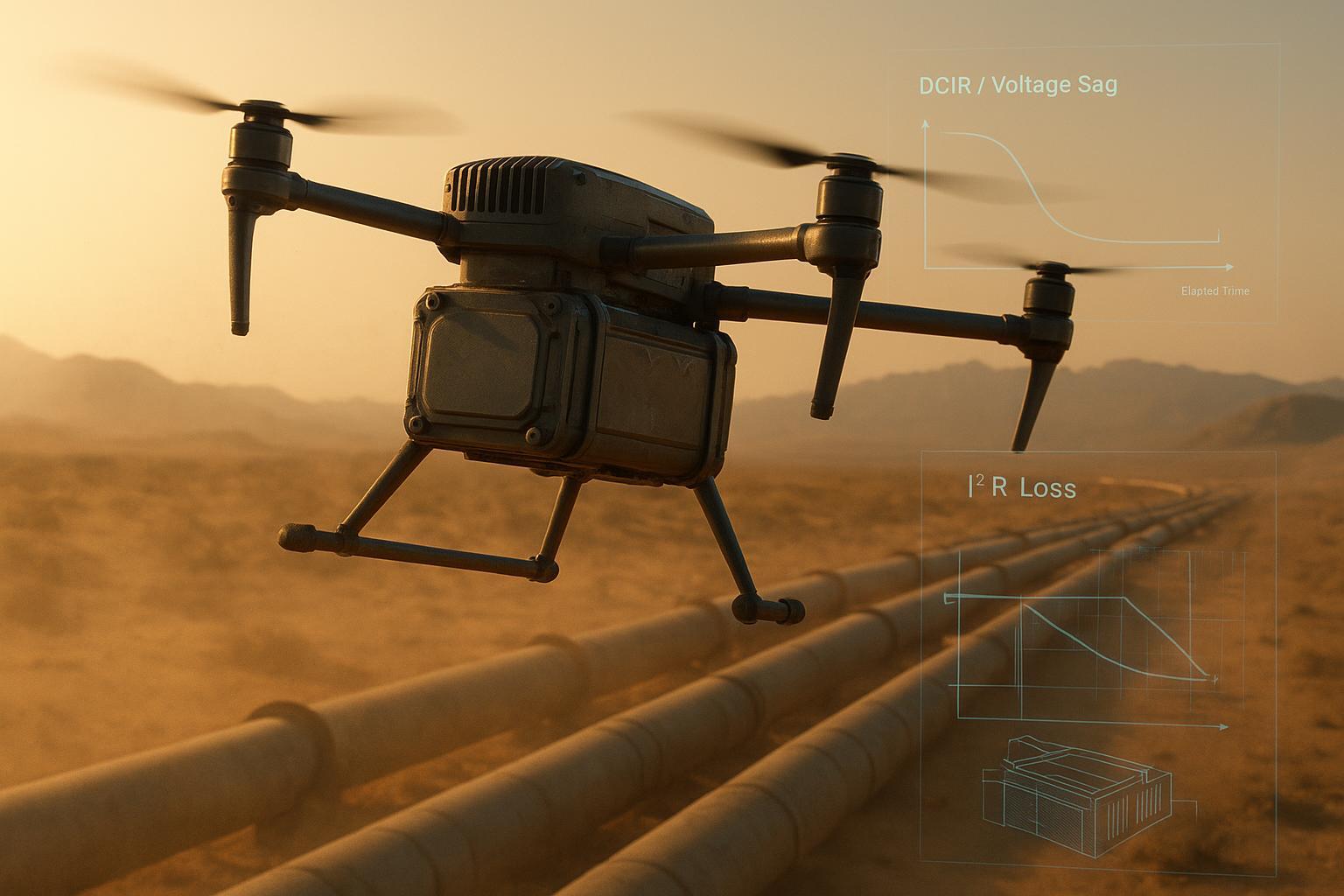
Under cold conditions, lithium‑ion kinetics slow down while interfacial resistance spikes. This isn’t just a chemical nuance—it’s a power bottleneck. As internal resistance rises, the battery suffers from higher overpotential, manifesting as visible voltage sag the moment you throttle up.
Even a fully charged pack can trigger a “Critical Low Battery” warning during takeoff at -20°C because the voltage platform “crashes” under the initial current load. Research by Jeong et al. (2025) confirms that reduced diffusion and SEI-related effects collectively compress both usable capacity and peak power in these sub-zero windows.
Plating Risk & Safe Charging Guidelines
The danger isn’t limited to discharge; cold-weather charging is where permanent damage occurs. Charging below 0°C forces lithium ions to “plate” onto the anode surface rather than intercalating into it, leading to irreversible capacity loss and potential internal shorts.
For maintenance teams, the protocol is absolute:
Never charge below 0°C: Always bring packs into a heated environment or engage self-heating before connecting to a charger.
Preheat before flight: Raise the core temperature into a “safe band” (typically >5°C) before demanding high-current draws for takeoff or heavy-lift hovers.
Self-Heating Architectures for Rapid Deployment Readiness
Internal vs. External Preheating Tradeoffs
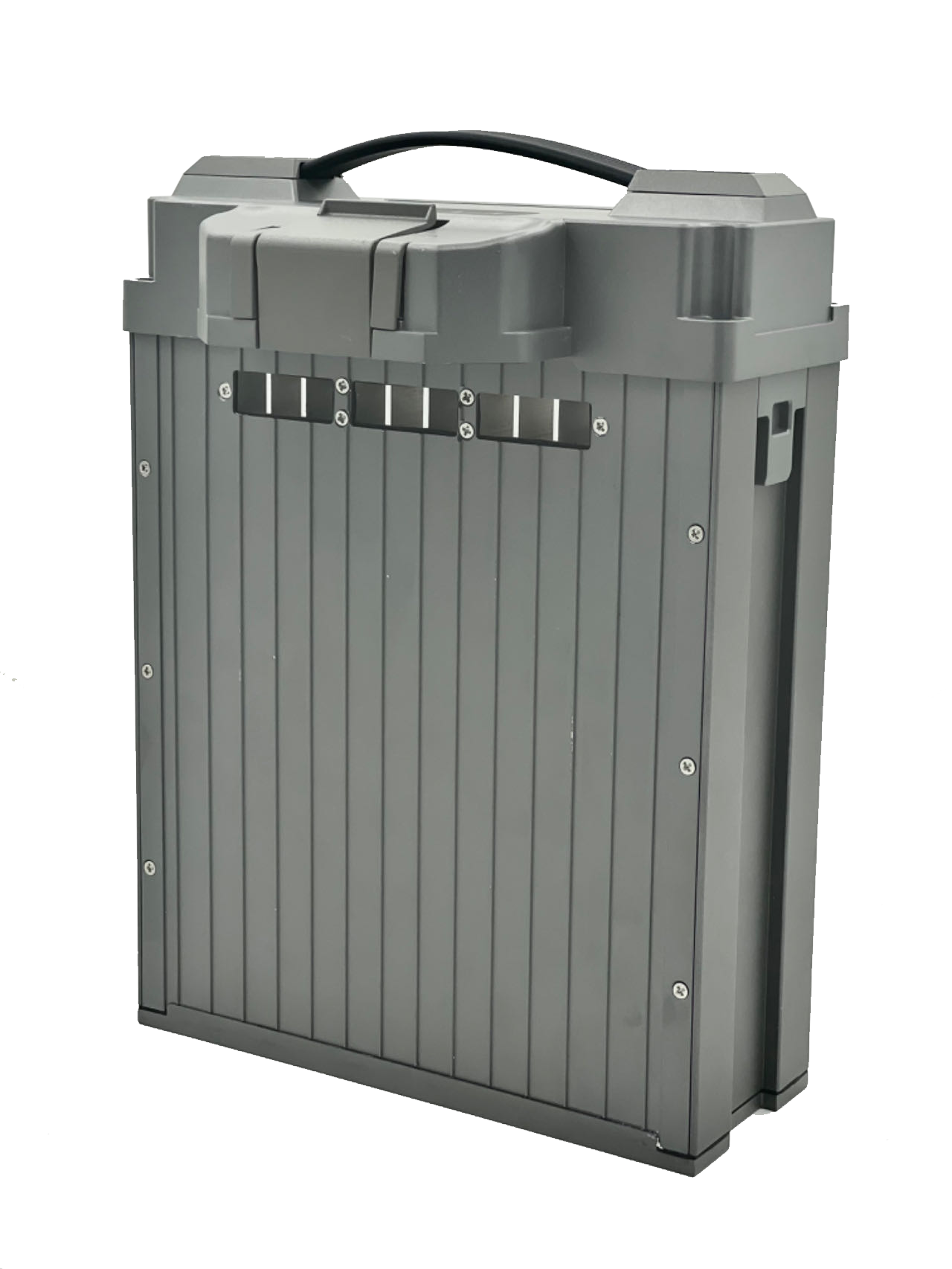
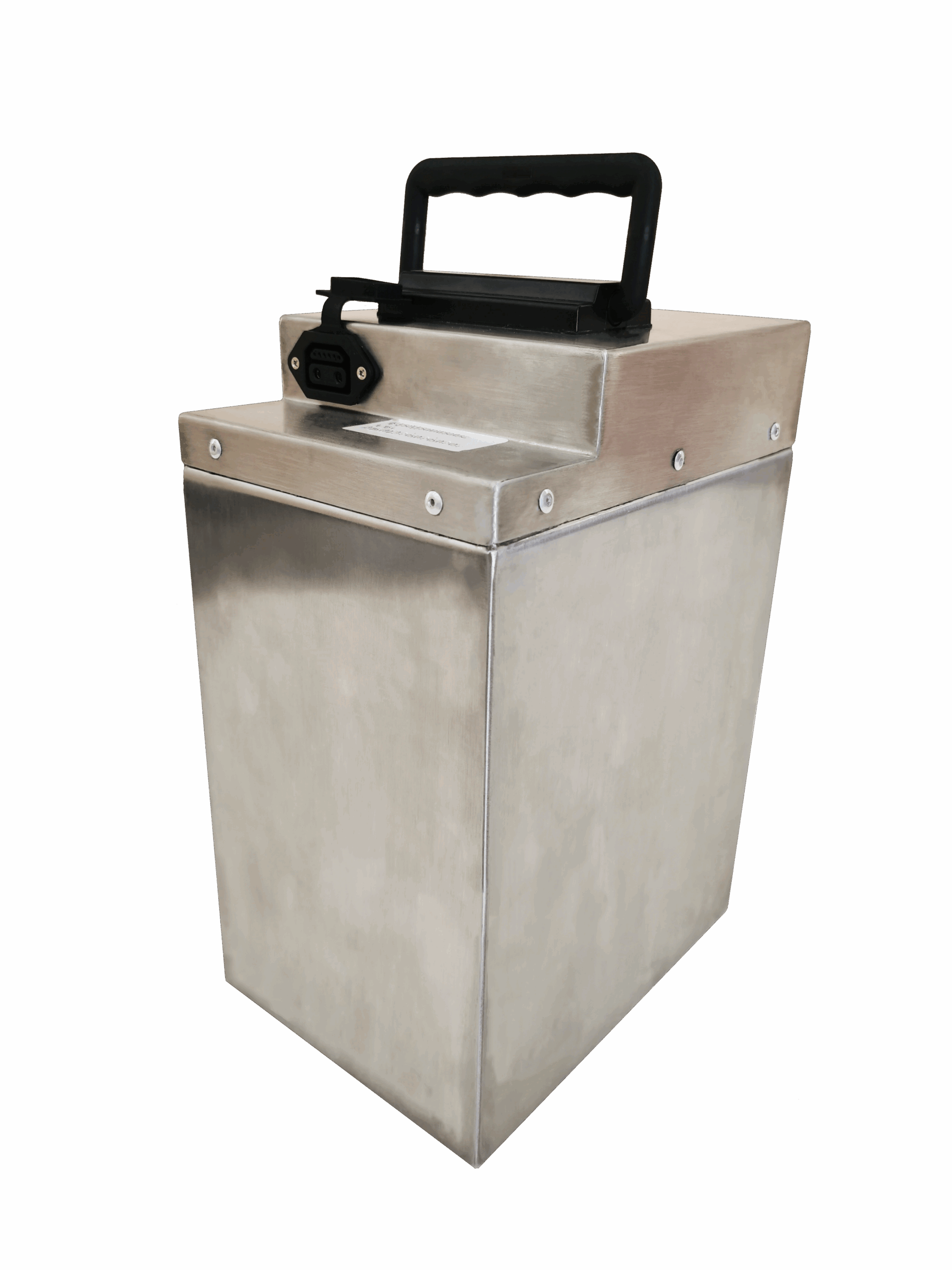
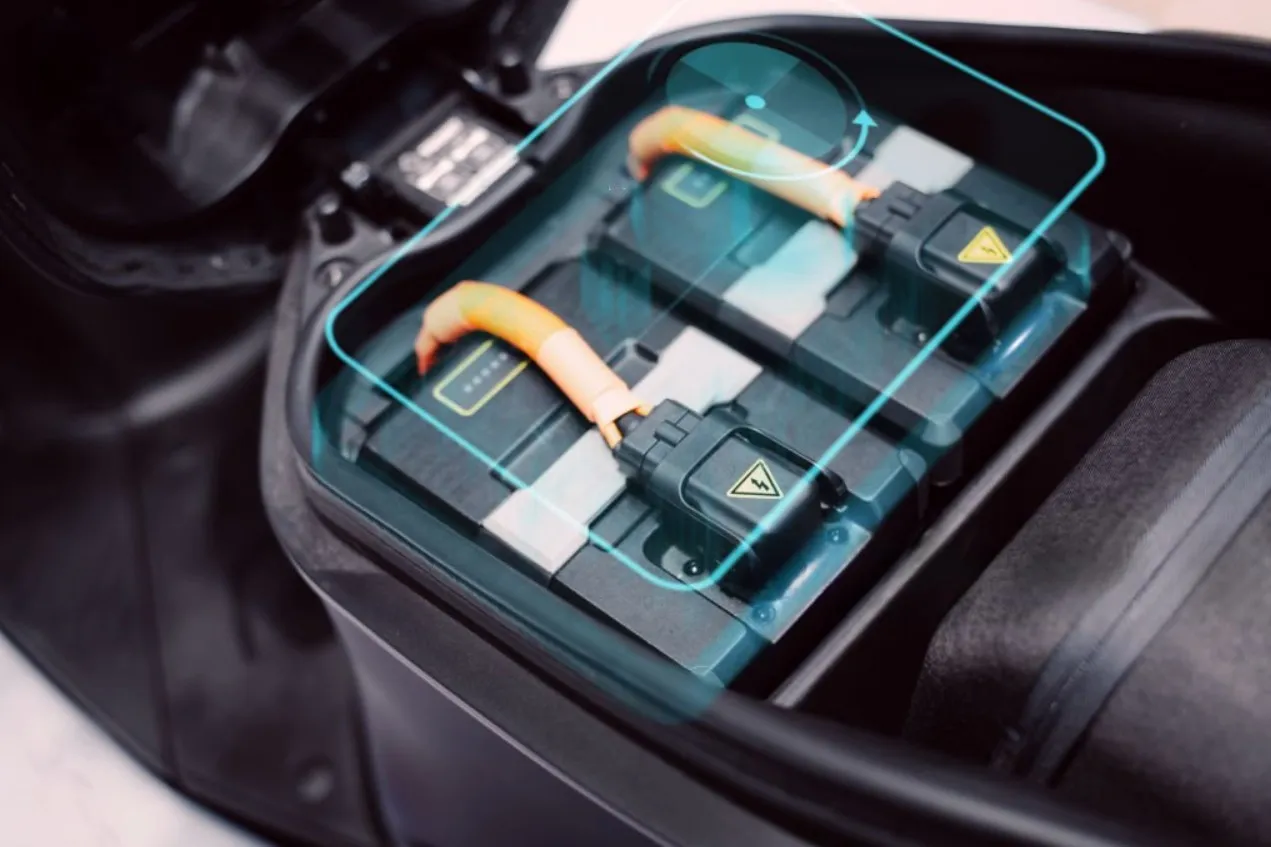
Self-heating flight batteries integrate internal elements and control logic to bring cell cores into a viable temperature band automatically. Unlike external warmers—such as heated cases or insulated sleeves—internal systems heat from the “inside out.”
The primary advantage is Thermal Uniformity: internal heating eliminates the risk of a “warm shell, frozen core,” which is common with external sleeves and often leads to unexpected voltage sag. While self-heating consumes a small portion of the total energy overhead, the trade-off is a stabilized voltage platform that significantly improves overall mission reliability.
Key Integration Factors:
Trigger Strategy: Advanced packs engage heating upon activation or via real-time aircraft telemetry to optimize energy consumption—ensuring heat is only applied when the mission demands it.
Safety Interlocks: Automated thresholds prevent arming the motors until the core temperature clears the risk zone, effectively removing human error from the critical “Go/No-Go” decision.
OEM Logic Implementation: Industrial Standards
Major industrial UAV platforms have standardized self-heating as a mission-critical safety protocol rather than an optional feature. Their implementation provides a technical benchmark for what emergency response teams should demand from their power systems:
Skydio X10: The X10 utilizes automated self-warming coupled with strict launch interlocks. According to Skydio’s cold-weather protocols, the system intelligently blocks takeoff at sub-zero temperatures until the battery core reaches a stable operating window. During this phase, the aircraft may operate in a “limited-performance mode” to prevent catastrophic voltage sag during the initial climb. (Ref: How to fly X10 in cold weather).
Autel EVO Max Series: Autel employs a temperature-aware logic that activates internal heaters immediately upon power-on if a cold soak is detected. Their documentation emphasizes that the aircraft will prevent motor arming at critically low temperatures, effectively enforcing a “Go/No-Go” safety gate that removes human error from the deployment sequence. (Ref: EVO Max Series FAQ & User Manual).
These industry leaders prioritize internal heating because it’s the most direct way to bypass the logistical delays of external warming sleeves and reduce cold-start uncertainty. While the vehicle manages the flight logic, Herewin’s integrated thermal management system can serve as the hardware foundation to support these safety protocols—when validated on the target airframe with cold-soak data.
Smart BMS Logic for Golden‑Hour Go/No‑Go Decisions
A smart BMS is the second pillar of reliable emergency response drone batteries. It acts as the “on-board engineer,” aligning state estimation, safety protection, and operator feedback to ensure launches happen only when the pack can sustain the required power window.
Temperature-Compensated SOC/SOH Estimation
In extreme cold, traditional battery indicators often “lie.” Voltage behavior drifts and efficiency drops, causing standard percentage displays to fluctuate or drop off unexpectedly.
Enhanced Coulomb Counting: Herewin utilizes temperature-compensated algorithms combined with periodic OCV (Open Circuit Voltage) calibration. This ensures that the indicated State of Charge (SOC) remains accurate even when OCV-SOC curves flatten in sub-zero environments.
Predictive SOH Tracking: By monitoring internal resistance (IR) trends and delivered capacity versus nominal specs, the BMS provides a real-time State of Health (SOH) assessment. This allows teams to identify aging packs that may pass a bench test but lack the “punch” needed for a -20°C deployment.
Launch Interlocks & Real-Time Telemetry Safeguards
To ensure mission success, the BMS must enforce strict operational boundaries:
Digital Launch Interlocks: These protocols prevent motor arming or limit maximum thrust until the battery core temperature clears a pre-defined safety threshold. This “forced warm-up” eliminates the risk of catastrophic voltage sag during the high-drain takeoff phase.
Conservative Telemetry Floors: For winter operations, the BMS establishes higher voltage floors and earlier Return-to-Home (RTH) triggers. This provides a necessary safety buffer against sudden power drops caused by high-altitude wind gusts or rapid temperature changes.
Engineering Resources
Safeguard Deep-Dive: Industrial drone BMS guide: 3 steps to ensure battery safety
Mitigating Voltage Sag: Field note on preventing power drops in mining and industrial ops
Technical Overview: A closer look at SOC/SOH estimation (Analog Devices)
Golden‑Hour Cold‑Start SOP at −20°C
This is the highest-signal, ops-focused sequence. Keep it near your launch checklist and adapt thresholds to your aircraft manual.
Pack readiness (before you step outside): Confirm packs were charged at room temperature and staged in an insulated carrier. Avoid charging below 0°C.
Warm‑up initiation: Install the pack and power on per OEM procedure so any internal self‑heating logic can engage. Minimize outdoor exposure time before arming.
Go/No‑Go telemetry gate: Verify pack temperature is inside the OEM’s safe band, then confirm SOC margin for your winter reserve.
Takeoff load check: Hold a brief low hover while watching live voltage behavior. Abort if sag or warnings indicate insufficient power.
Winter mission discipline: Fly shorter legs, keep a higher reserve, and avoid repeated full-throttle spikes until temperatures stabilize.
If you need an auditable checklist for procurement and training
Capture and standardize three artifacts from your winter ops: (1) a screenshot/photo of pre‑takeoff battery temperature and warnings, (2) a short takeoff/hover voltage trace, and (3) the return SOC and minimum voltage. These become acceptance evidence that a battery can support emergency response drone batteries use cases—not just bench “capacity” claims.
Reproducible Cold‑Start Validation: What to Test and What to Keep
For procurement and fleet readiness, you’re trying to answer one question: Will this pack reliably support a cold‑soaked takeoff and the first critical minutes of flight at −20°C? You don’t need a 20‑page lab report to start—but you do need consistent evidence.
Baseline Acceptance Criteria
A −20°C soak record showing thermal equilibrium (core/surface trend)
A takeoff‑equivalent load step (or pulse) showing voltage sag and recovery
A short mission‑representative profile (hover plus brief pulses) with V/I/T logs
A SOC cross‑check showing how indicated SOC tracks integrated coulombs in the cold
Appendix-style lab protocol (for QA teams)
Equipment & safety: Environmental chamber, battery cycler with mission‑representative loads, 4‑wire DCIR or EIS, thermocouples, and ≥10 Hz logging. Enforce no‑charge‑below‑0°C.
Conditioning: Charge at ~25°C to 100% SOC; rest to stabilize. Soak at −20°C until temperatures stop drifting.
Impedance check: Pulse or EIS at several SOC points; compute DCIR from ΔV/I for repeatability.
Load profile: Run hover-plus-pulse discharge; record maximum sag and any protection triggers.
Self‑heating behavior: If applicable, log warm‑up time and energy draw to reach the OEM’s safe band.
SOC Linearity Check: A comparison showing how the indicated BMS telemetry tracks actual integrated coulombs in extreme cold.
For SOC/SOH estimation background, see Analog Devices’ explainer A Closer Look at State of Charge and State of Health Estimation.
Procurement & Compliance Checklist for Emergency Fleets
Global Transport & Safety Compliance (UN38.3 & IEC 62133-2)
Cold‑start capability is only one dimension. Your packs must also be legal to ship and safe to field.For most emergency fleet tenders, treat these as baseline procurement gates:
UN38.3 (transport): Require a UN38.3 test report and Test Summary.
IEC 62133‑2 (product safety): Require a valid certificate or test report reference.
Ingress protection (if specified): Require a verifiable IEC 60529 test report rather than a marketing claim.
Acceptance Criteria & Audit Evidence for UAV Fleet Tenders
Use the following checklist to standardize RFQs and verify vendor compliance. An auditable submission must include specific logs, not just summary claims.
Requirement | Why it Matters (Sub-Zero Ops) | Required Evidence (The Checklist) |
Cold-Start Readiness | Avoids launch delays and voltage collapse | Lab Report: -20°C cold-soak discharge traces using a hover-plus-pulse profile (V/I/T logs). |
Self-Heating Logic | Ensures safe core temp before full thrust | Internal Logic Summary: OEM manual excerpt or technical spec showing warm-up Wh budget and trigger thresholds. |
Smart BMS Telemetry | Prevents “lying” SOC and mid-air cuts | BMS Validation: DCIR pulse (or EIS) data across SOC bands (100/75/50/25%) and SOC-to-Coulomb linearity report. |
Safety & Transport | Legal shipment and site safety | Certification: Valid UN38.3 Test Summary and IEC 62133-2 Certificate. |
Environmental Resilience | Resilience in snow/moisture | IP Report: Verified IEC 60529 (e.g., IP54/67) test record. |
Traceability | Fleet-scale audit and safety tracking | ID Control: Individual serial numbers and traceable manufacturing batch records. |
Semi-Solid vs. Conventional Lithium Batteries: The Endurance Edge
Semi‑solid chemistry can add performance headroom in demanding duty cycles, but it isn’t a cold‑start cure by itself. For emergency response drone batteries, treat semi‑solid as a second‑order lever: it improves stability margins and energy density once you’ve already solved warm‑up and conservative BMS logic.
When evaluating semi-solid claims, ensure the vendor provides the same level of auditable evidence defined in the criteria above,specifically -20°C mission traces and DCIR trends.
Next steps for procurement and fleet validation
If you’re turning this into an RFQ or acceptance plan, standardize an evidence package (cold‑soak traces, DCIR/EIS summary, and warm‑up logs) and validate it on your target airframe.
For mission-specific engineering support , visit our Drones Solutions Hub.
Sources and further reading
Tailored Li-ion battery electrodes for extreme conditions (Jeong, 2025) – Peer-reviewed overview of cold-temperature mechanisms and performance impacts.
Li-ion battery failure analysis and health assessment (Hu, 2024) – Research on maintenance and reliability.
Autel EVO Max Series FAQ and Official User Manual on cold operations and self-heating.
Skydio X10 Cold Weather Guidance regarding self-warming and launch interlocks.
A Closer Look at SOC and SOH Estimation (Analog Devices) – Technical backgrounder on estimation methods.
UN 38.3 Manual of Tests and Criteria (Sub-section 38.3) – Official transport requirements and Test Summary expectations.
IEC 62133-2 Safety Standard Overview – Technical scope and adoptions for portable sealed secondary lithium systems.




 English
  Español
  한국어
한국어  Deutsch
  Français
  日本語
日本語  Русский
  Bahasa Indonesia
  ไทย
ไทย  العربية
  Português do Brasil
  Italiano
  Nederlands