




For new drone users, battery charging safety is one of the most common concerns. Among these, the question “Does overnight charging damage the battery?” is especially widespread.
This article provides a comprehensive analysis of the safety of overnight charging and the risks of overcharging, explains scientifically sound charging practices, and helps users extend battery lifespan—while also conveying a professional brand’s safety philosophy.
Common Types of Drone Batteries and Their Core Characteristics
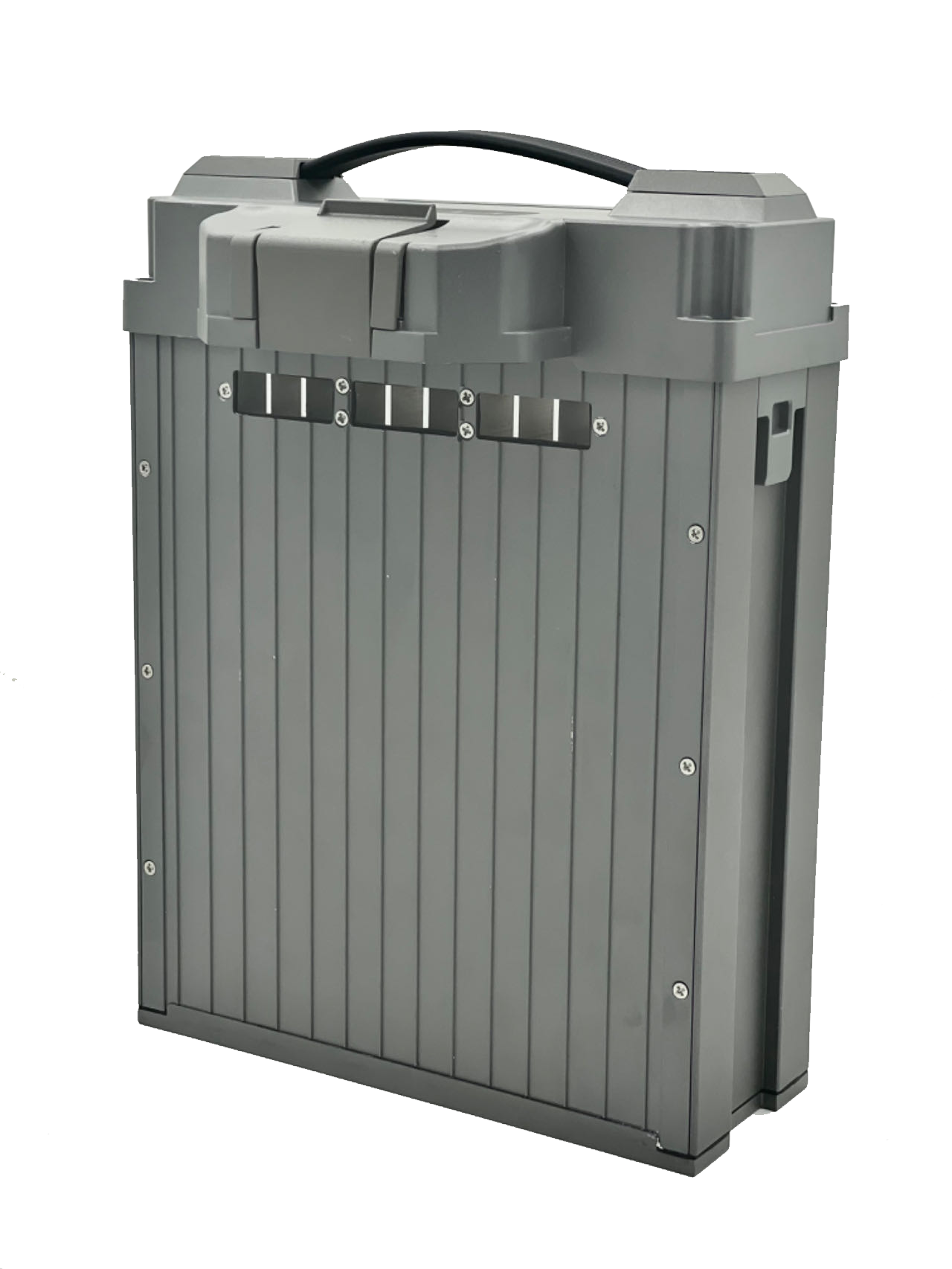
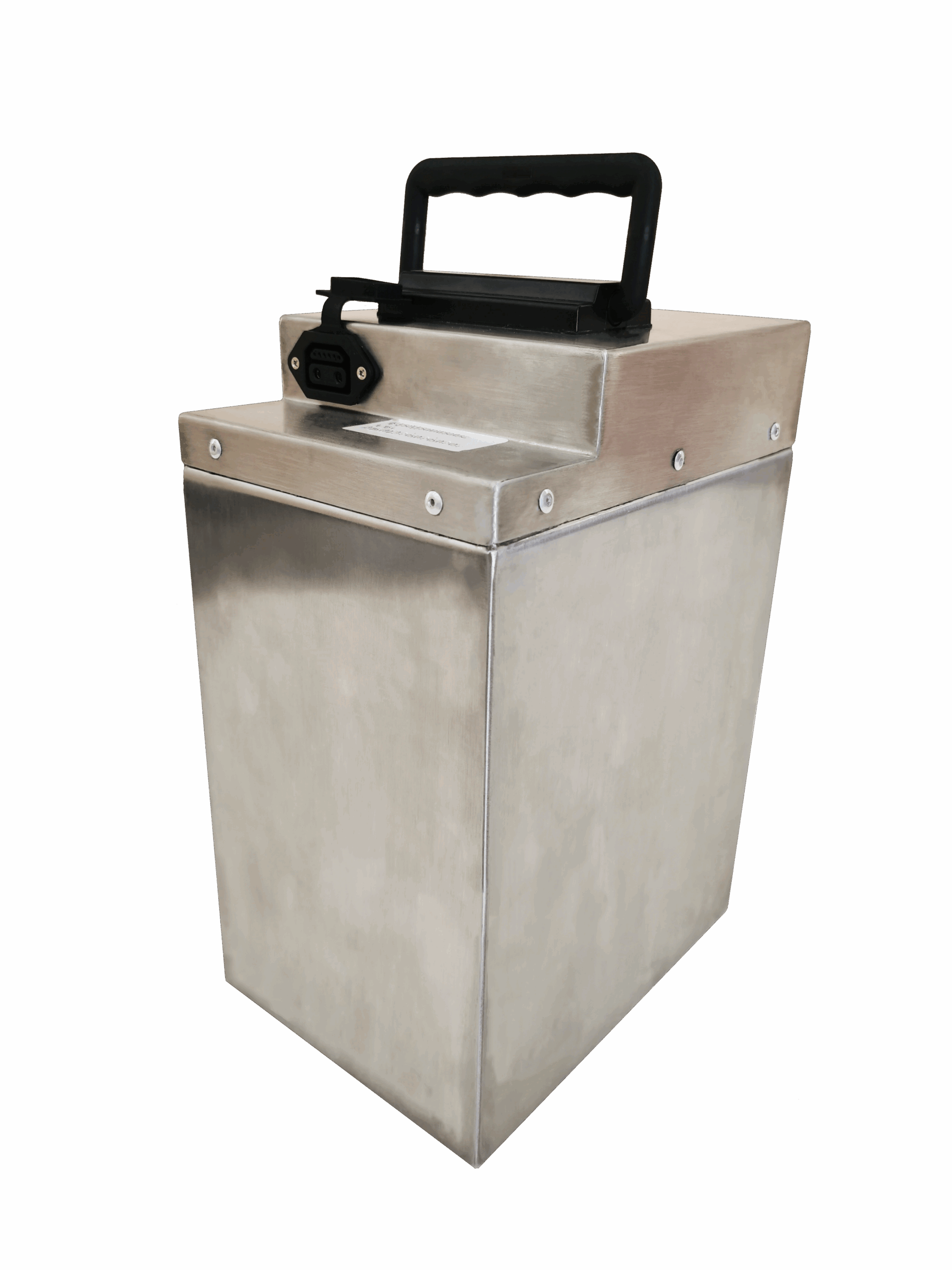
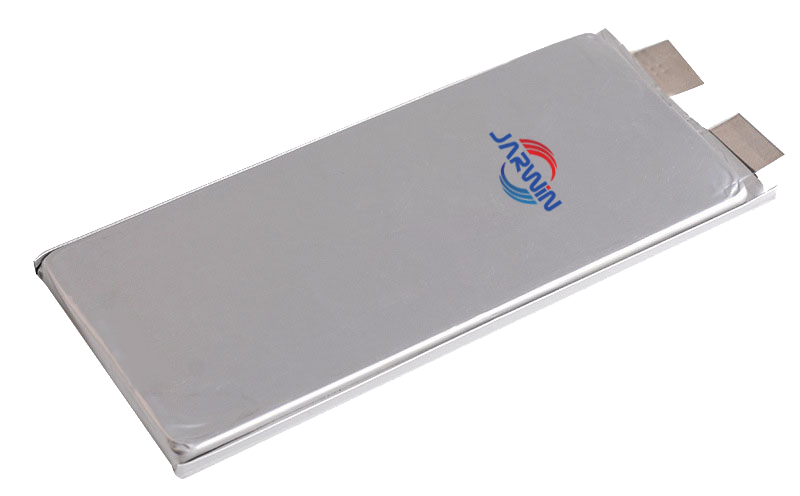
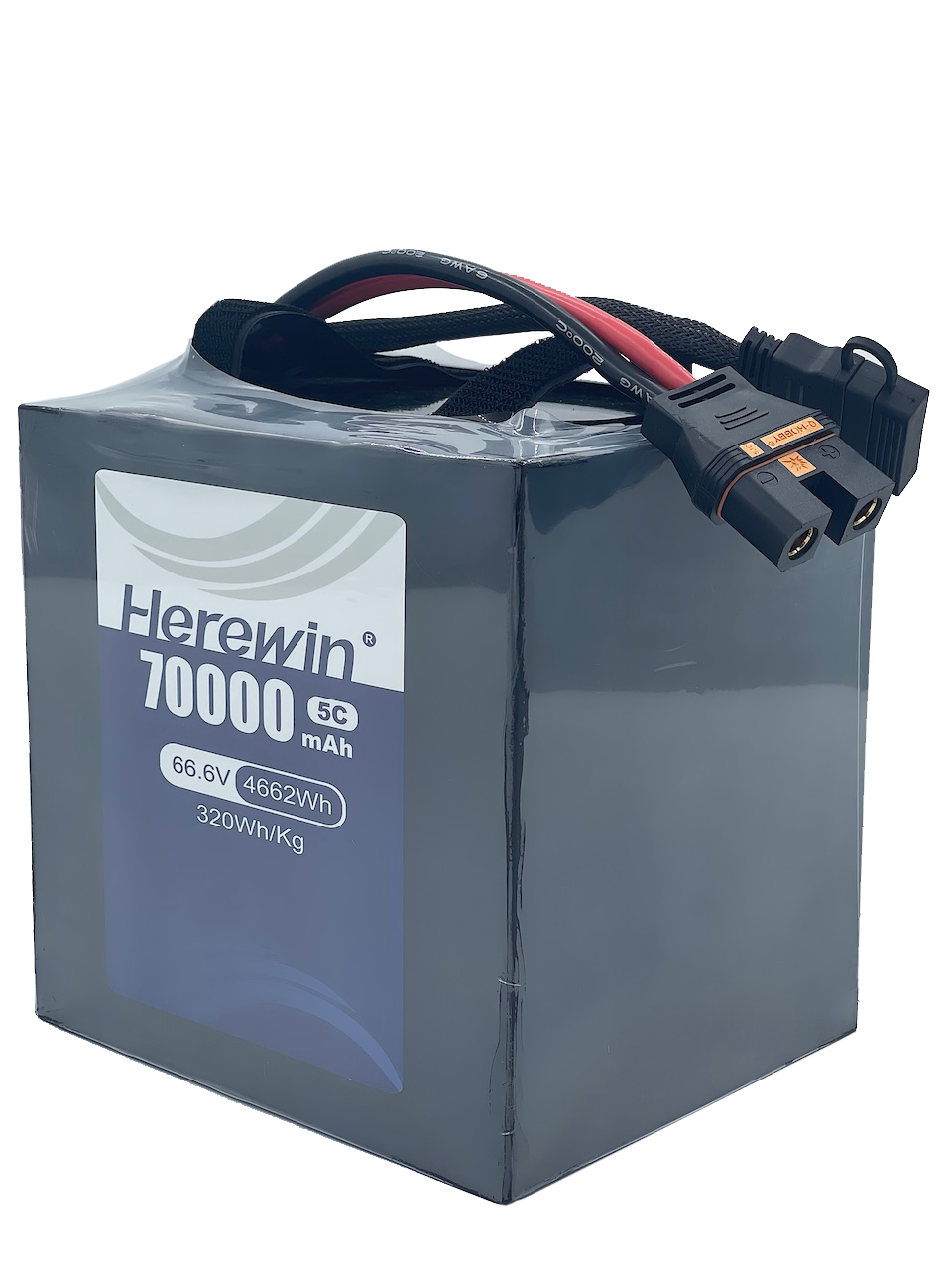
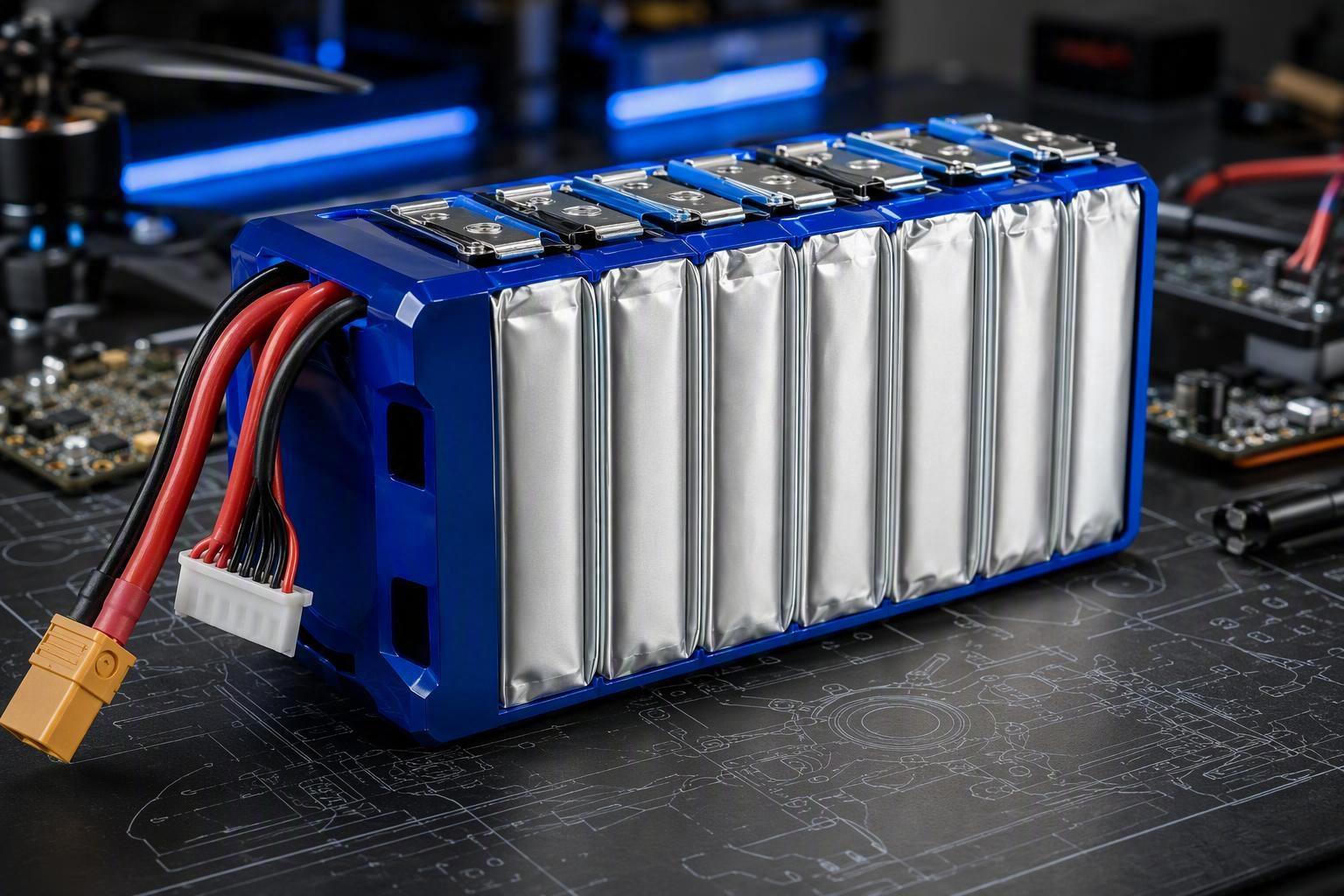
Before discussing charging, it is essential to understand the main types of batteries used in drones. Currently, both consumer and industrial drones primarily use Lithium Polymer (Li-Po) and Lithium-ion (Li-ion) batteries.
Lithium polymer batteries are widely used in consumer drones and light-to-medium industrial drones due to their high energy density, lightweight design, low self-discharge rate, and relatively long lifespan. They perform especially well in high-load and rapid-response scenarios.
Lithium-ion batteries, on the other hand, offer even higher energy density, longer cycle life, and better thermal stability, making them more suitable for applications such as high-altitude inspection and logistics transport, where extended flight duration is required.
Despite their advantages, lithium batteries have strict requirements for charging conditions. Improper charging not only degrades performance and shortens lifespan but may also introduce serious safety risks. Therefore, mastering proper charging practices is critical for all drone users.
Analysis of Overnight Charging Risks
Theoretical Perspective: Mechanism of Overcharging Damage
To understand the risks of overnight charging, we must first examine how lithium batteries work.
Charging and discharging involve the movement of lithium ions between the positive and negative electrodes:
- During charging: lithium ions move from the cathode to the anode
- During discharging: lithium ions move back to release energy
When a battery is fully charged, continued charging (i.e., overcharging) can trigger uncontrolled chemical reactions inside the battery.
Under overcharge conditions:
- The cathode continues releasing lithium ions
- The anode becomes saturated and cannot accept more ions
- Excess lithium accumulates on the anode surface, forming lithium dendrites
These dendrites grow over time and may pierce the separator, causing an internal short circuit. When this occurs:
- Energy is released instantly
- Significant heat is generated
- This can lead to swelling, fire, or even explosion
From a theoretical standpoint, overnight charging without effective overcharge protection presents significant safety and battery damage risks.
Real-World Application: Key Factors Affecting Risk
In practice, the risks of overnight charging are not absolute. They depend on several key factors:
Charger Quality (Primary Factor)
High-quality, compliant drone chargers typically include overcharge protection mechanisms:
- Automatically stop charging when the battery reaches 100%
- Or switch to trickle charging mode to compensate for self-discharge
This effectively prevents overcharging.
In contrast, low-quality chargers may have defective or absent protection, making overnight charging highly dangerous and increasing the likelihood of battery damage or safety incidents.
Battery Condition
- New, well-maintained batteries: stable internal chemistry and functional protection systems, with limited tolerance to slight overcharge
- Aged or improperly used batteries (e.g., over-discharged, exposed to high temperatures): degraded performance and damaged internal materials, significantly increasing failure risk during overnight charging
Charging Environment
The charging environment plays a critical role:
- High temperatures accelerate chemical reactions and heat buildup
- Humid conditions may cause internal short circuits due to moisture
- Poor ventilation prevents heat dissipation
- Charging near flammable materials amplifies potential hazards
Even though some high-quality equipment includes overcharge protection, from both battery lifespan and safety perspectives, overnight charging is still not recommended.
Scientific Charging Guidelines for Drone Batteries
To minimize risks and extend battery lifespan, the following best practices are recommended:
Charging Timing: Avoid Deep Discharge
It is recommended to charge the battery when it drops to 20%–30% capacity.
Deep discharge can cause:
- Irreversible damage to electrode materials
- Reduced battery capacity
- Shortened cycle life
The common misconception of “charging only after complete depletion” can severely degrade battery performance and may eventually prevent normal operation.
Charging Duration: Standardized Operation, Avoid Overcharging
Always follow the battery manual and use the original or compatible charger.
Different batteries have varying:
- Rated charging currents
- Charging durations
Using mismatched chargers may result in:
- Excessive current → internal circuit damage
- Insufficient current → prolonged charging time or incomplete charging
Additionally:
- Do not rely solely on overcharge protection
- Set timers or reminders to disconnect power once fully charged
- Use chargers with built-in timing functions if needed
Fast Charging vs. Slow Charging
- Fast charging: useful for quick turnaround but generates more heat, which can reduce battery lifespan with frequent use
- Slow charging: gentler, produces less heat, and is better for long-term battery health
Charging Environment: Ensure Safety and Stability
The ideal charging environment should be:
- Dry
- Cool
- Well-ventilated
Avoid:
- High temperatures (direct sunlight, heaters, stoves)
- Humid conditions
- Proximity to flammable or explosive materials
A proper environment is essential for both charging safety and battery longevity.
Herewin’s Safety Philosophy: Technology Protects Users
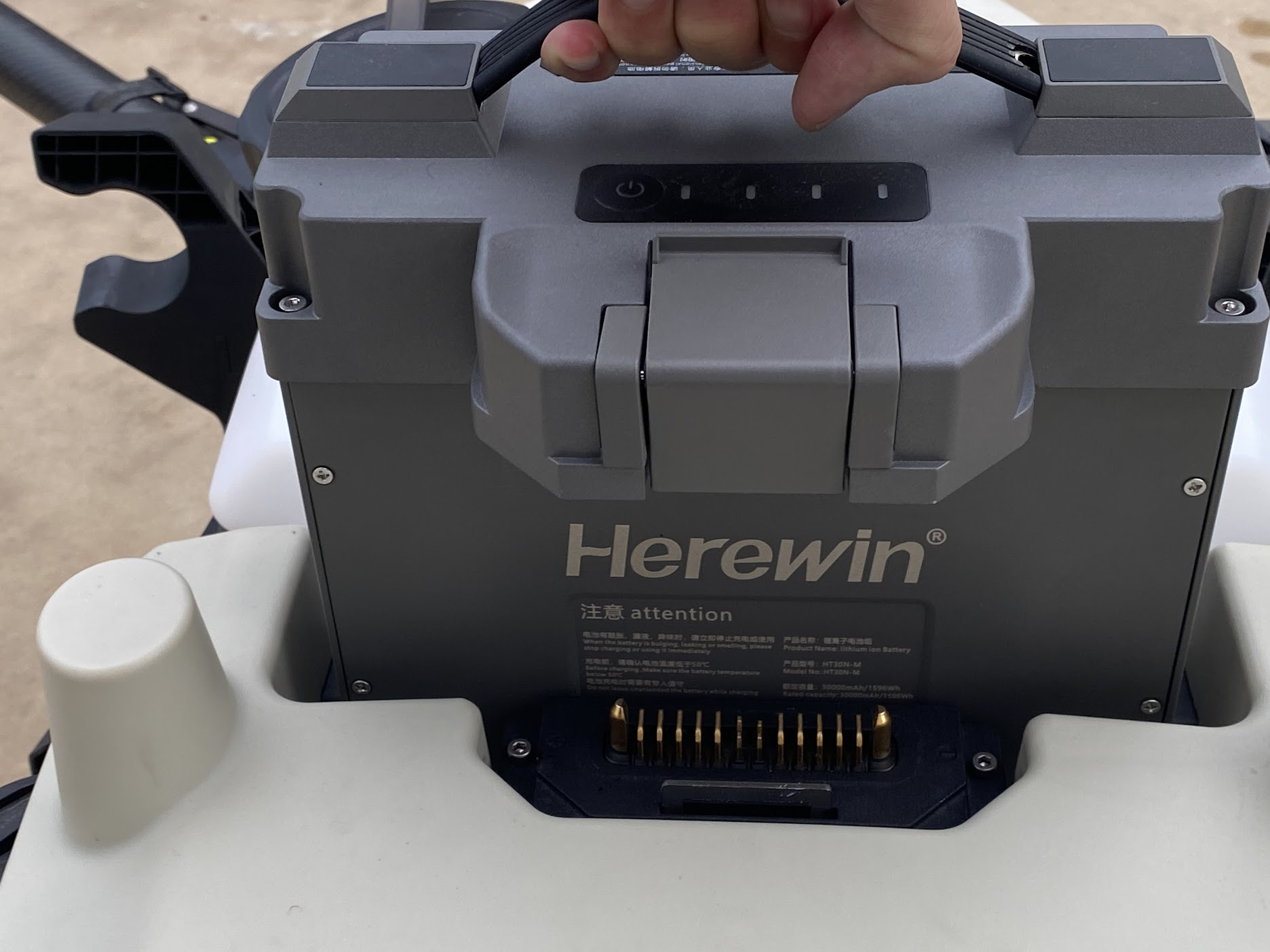
As a professional drone brand, Herewin places user safety at the core of its product design, with a strong focus on battery charging safety and performance.
Its drone batteries are equipped with an advanced Battery Management System (BMS) that continuously monitors:
- Voltage
- Current
- Temperature
This system ensures full-process safety control:
- Automatically cuts off charging when the battery is full
- Prevents overcharging
- Activates protection mechanisms in case of overheating or abnormal current
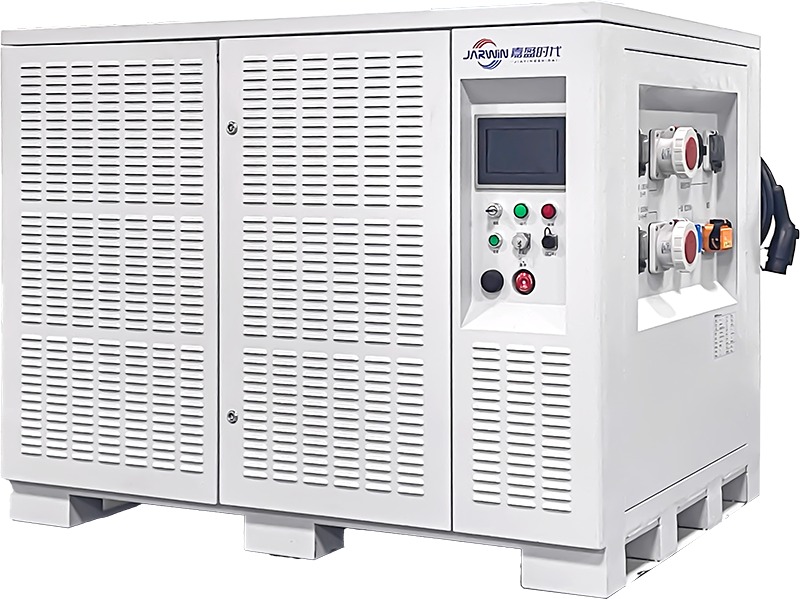
In charger design, Herewin uses:
- High-quality components
- Advanced circuit design
This enables multiple protections, including:
- Overcharge protection
- Overcurrent protection
- Overheat protection
Even in complex environments, these features ensure stable and safe charging performance.
Through continuous R&D investment, Herewin keeps improving battery and charger safety, aiming to provide users with reliable and secure drone power solutions.
In summary, overnight charging of drone batteries carries both safety risks and potential battery damage. Even with built-in protection mechanisms, risks cannot be completely eliminated.
To extend battery lifespan and ensure safe operation, users should adopt the following habits:
- Charge when battery reaches 20%–30%
- Follow manufacturer guidelines and use compatible chargers
- Avoid overcharging
- Charge in a cool, dry, and well-ventilated environment
Finally, all drone users are encouraged to take battery safety seriously, actively learn proper charging practices, and share this knowledge with fellow drone enthusiasts.



 English
  Español
  한국어
한국어  Deutsch
  Français
  日本語
日本語  Русский
  Bahasa Indonesia
  ไทย
ไทย  العربية
  Português do Brasil
  Italiano
  Nederlands